
EPIC | LEARNING CENTER
Tracing the Natural Contour of the Rural Landscape
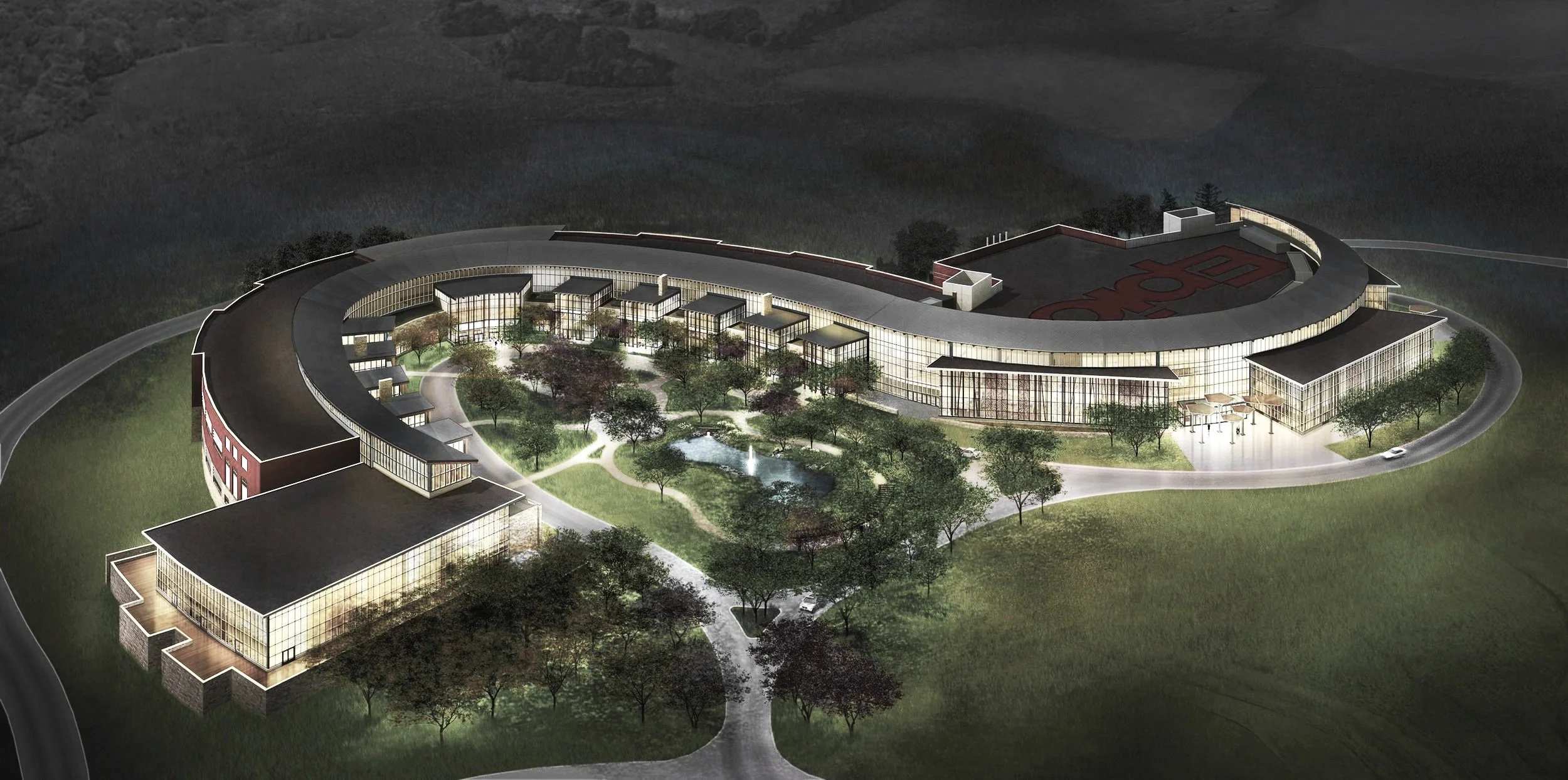
Architecture can honor regional traditions without replicating the past. For Epic's 700,000-square-foot Learning Center in Verona, Wisconsin, we drew inspiration from the iconic Dutch barns that define the surrounding countryside, reinterpreting their scale, materiality, and relationship to the landscape to create a contemporary destination for learning, collaboration, and innovation.
Serving both Epic employees and campus visitors, the Learning Center demonstrates how regional architecture can evolve while remaining deeply connected to its setting. The result is a building that feels distinctly of its place while supporting the technology, flexibility, and performance expected of a world-class corporate learning environment.
Learning Connected to the Landscape
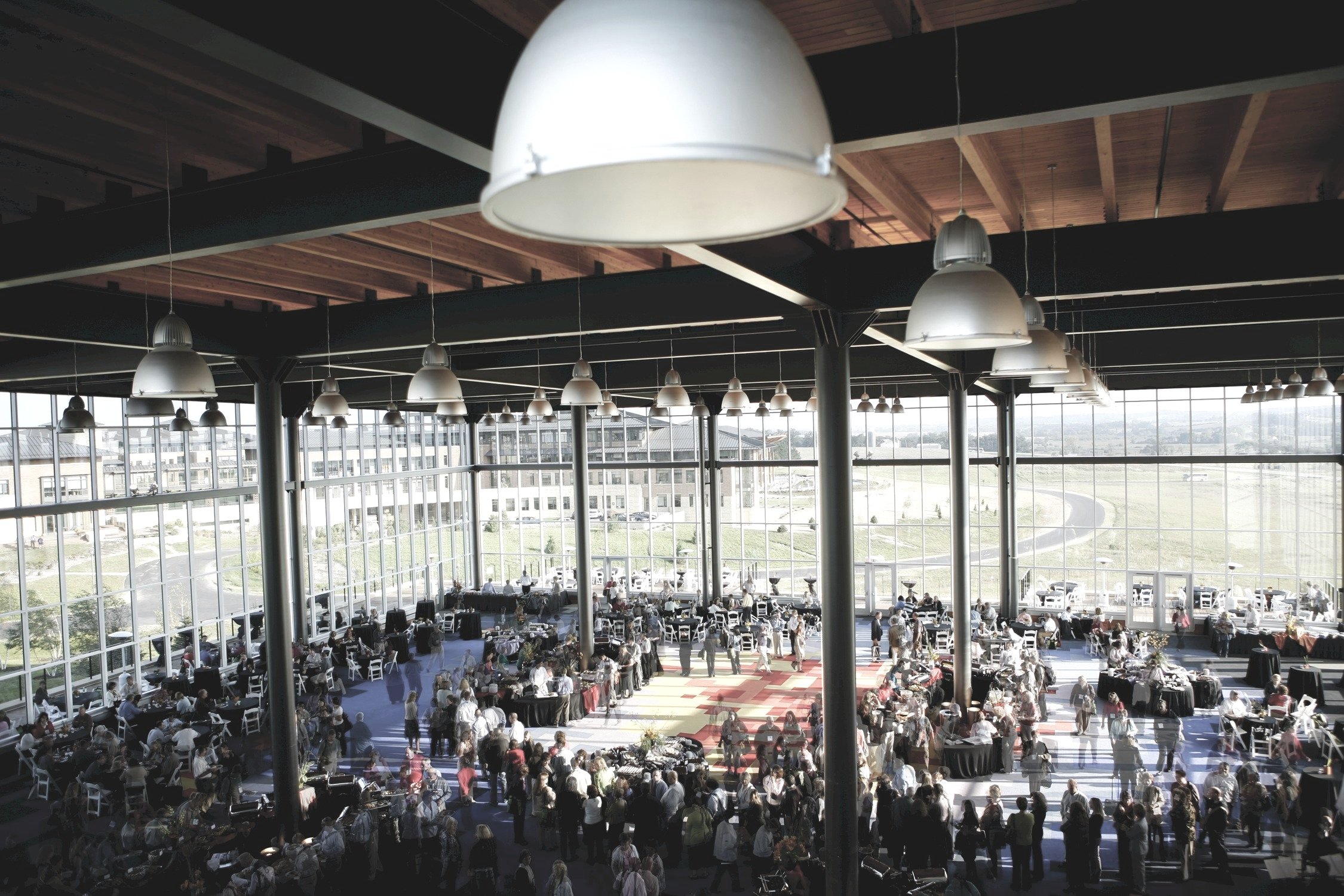
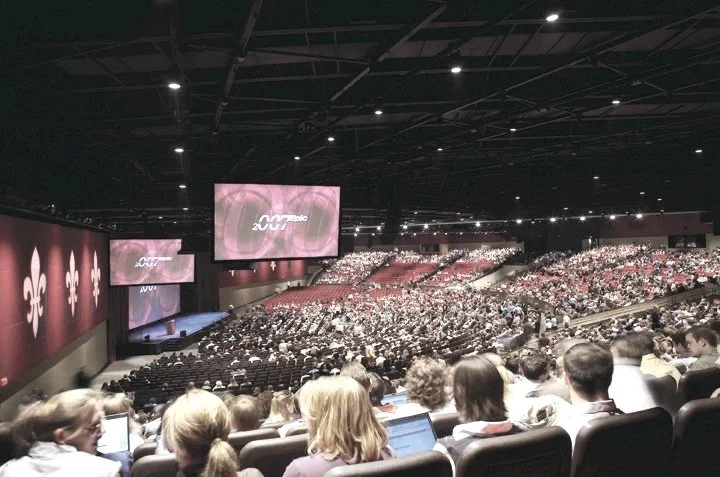
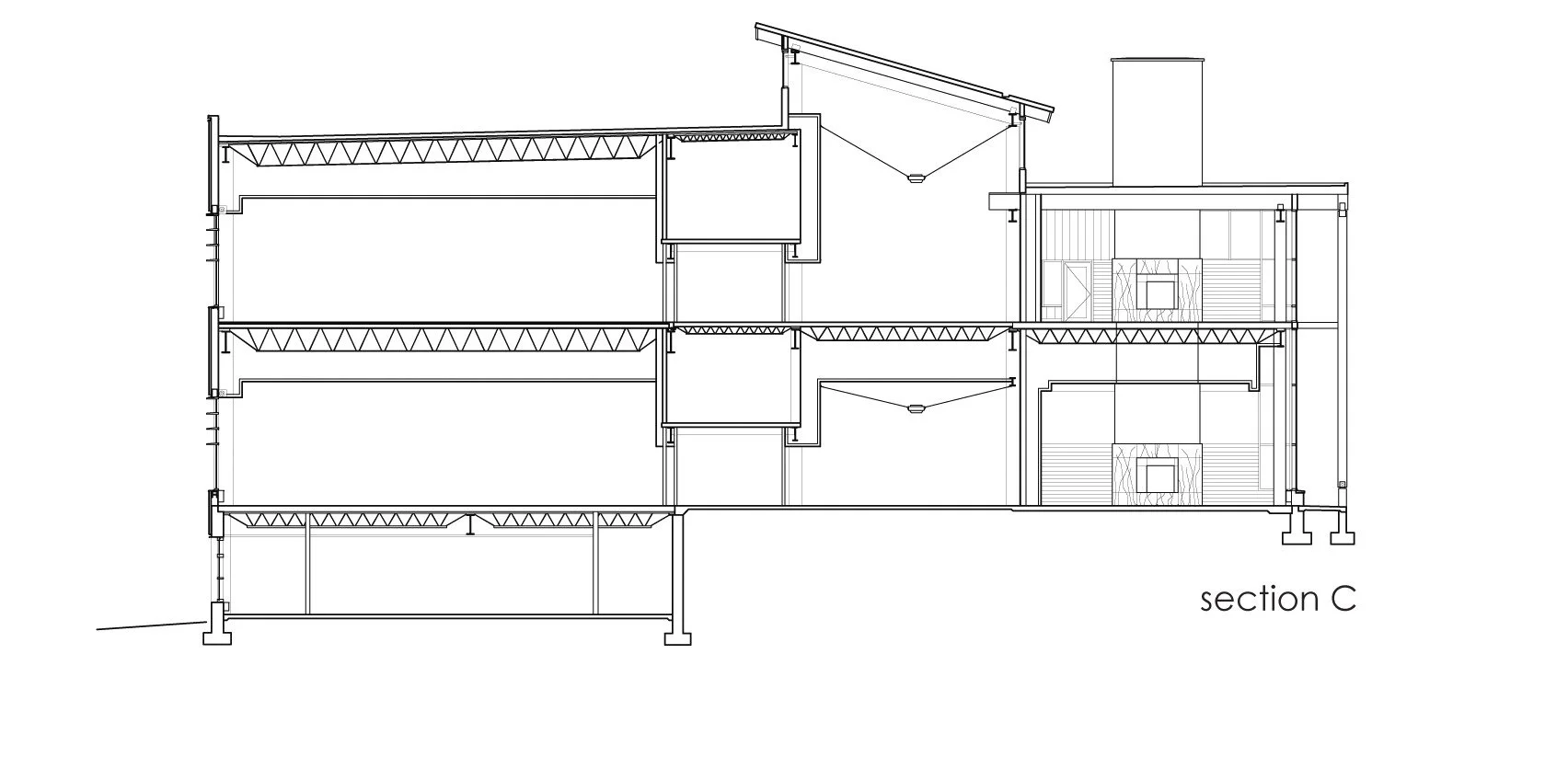
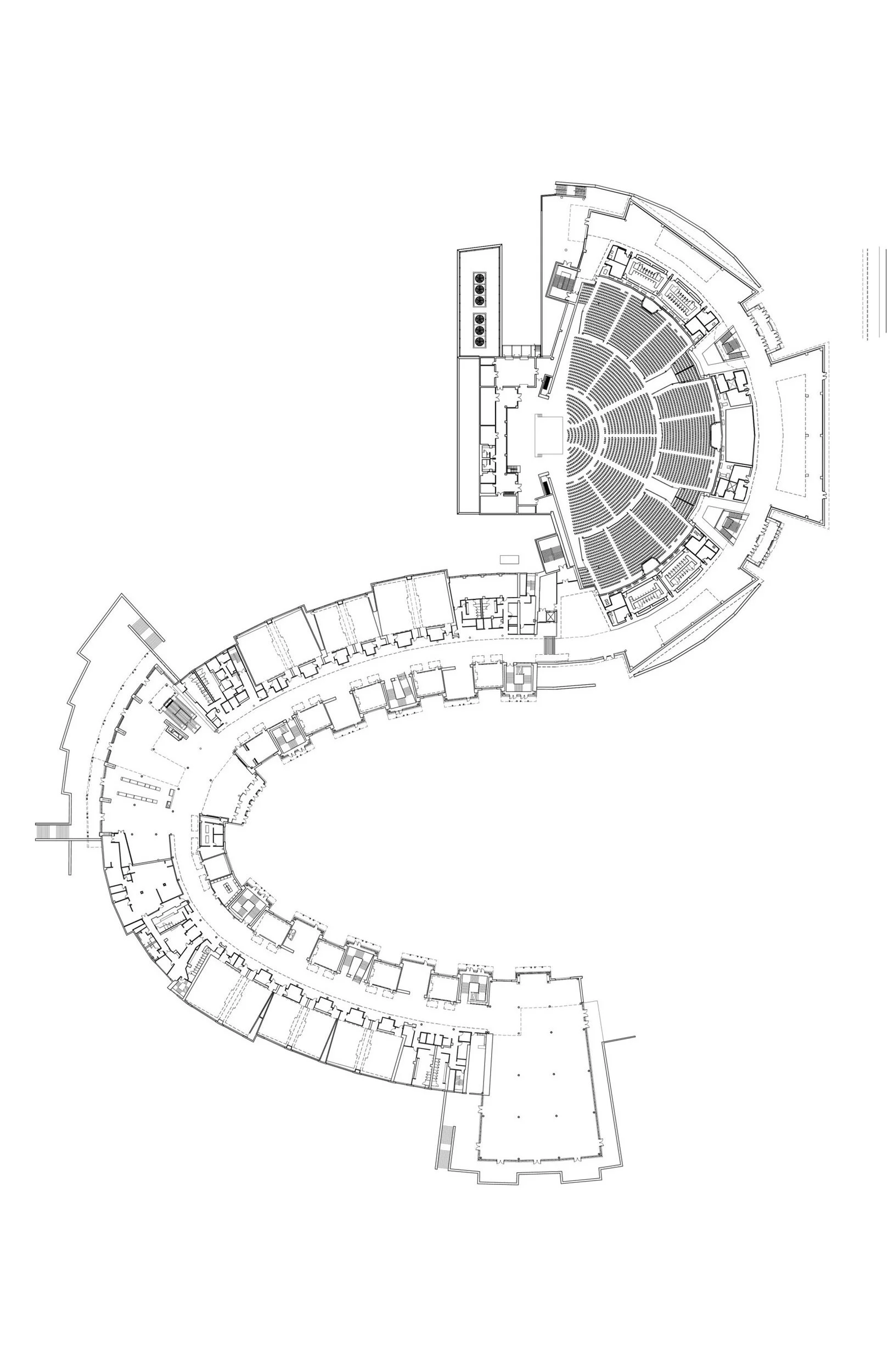
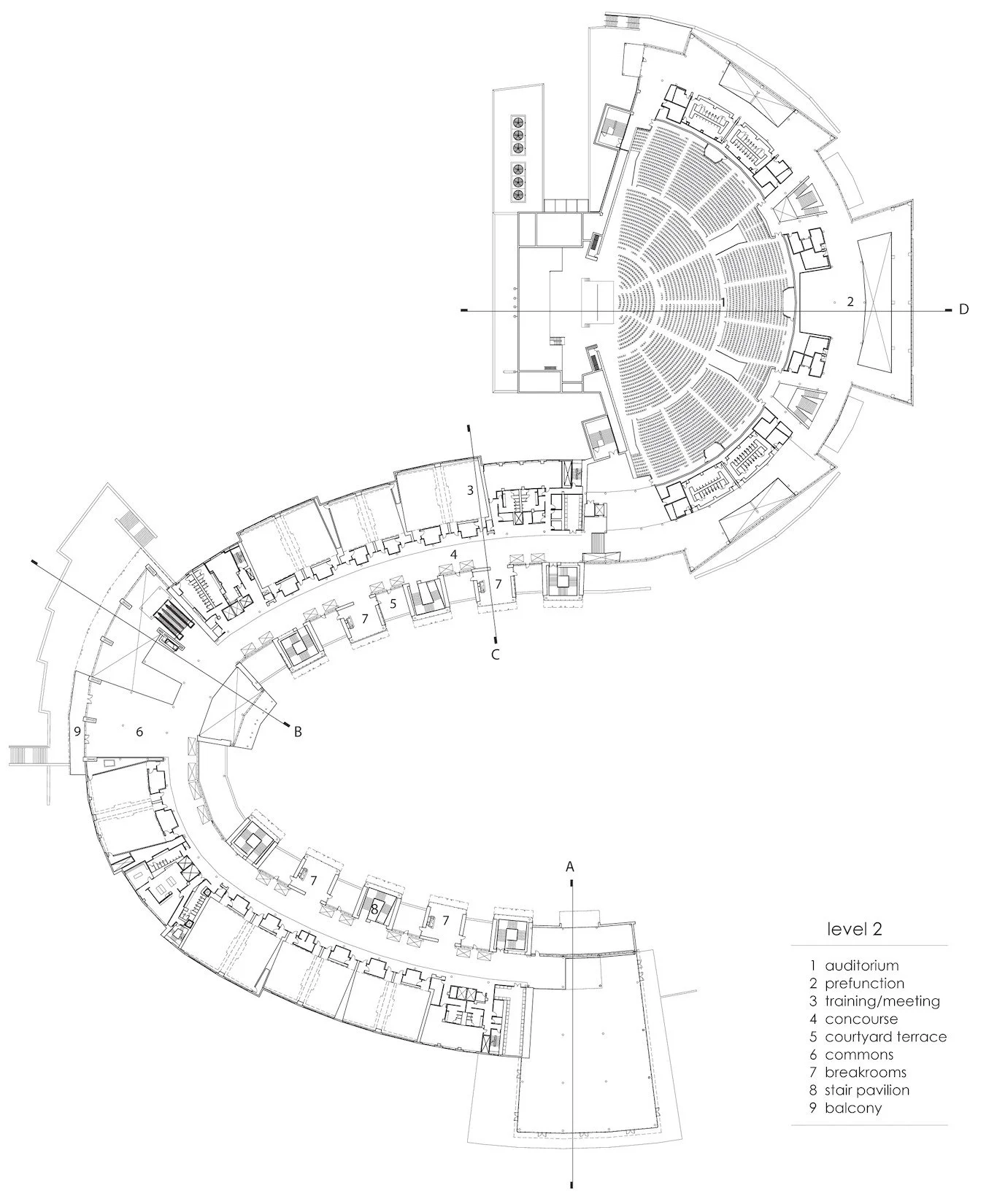
The Learning Center brings together classrooms, conference and seminar rooms, breakout spaces, vendor exhibition areas, dining venues, and a 5,400-seat auditorium within a single integrated facility. Organizing this extensive program while preserving access to daylight and views became one of the defining design challenges.
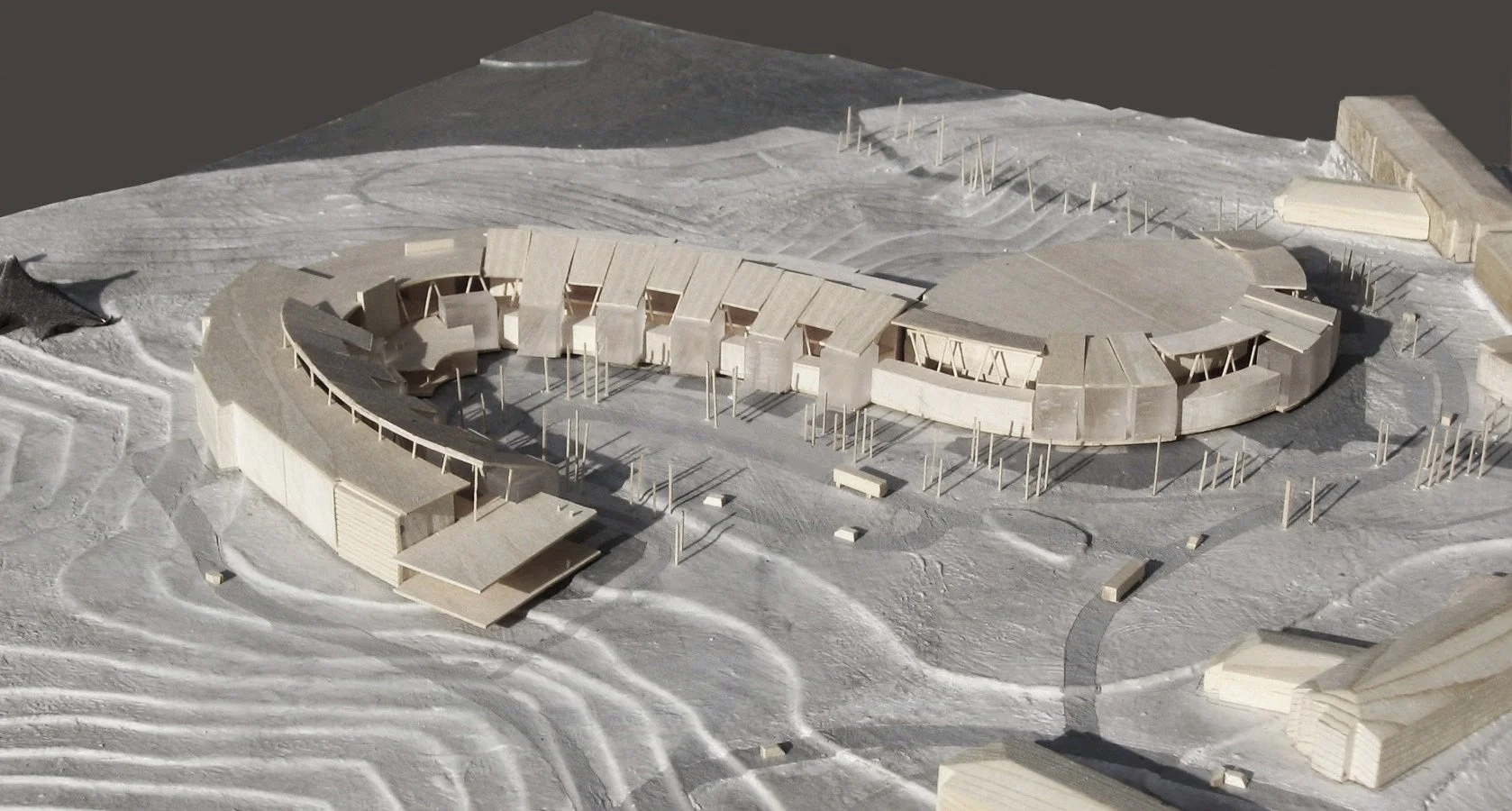
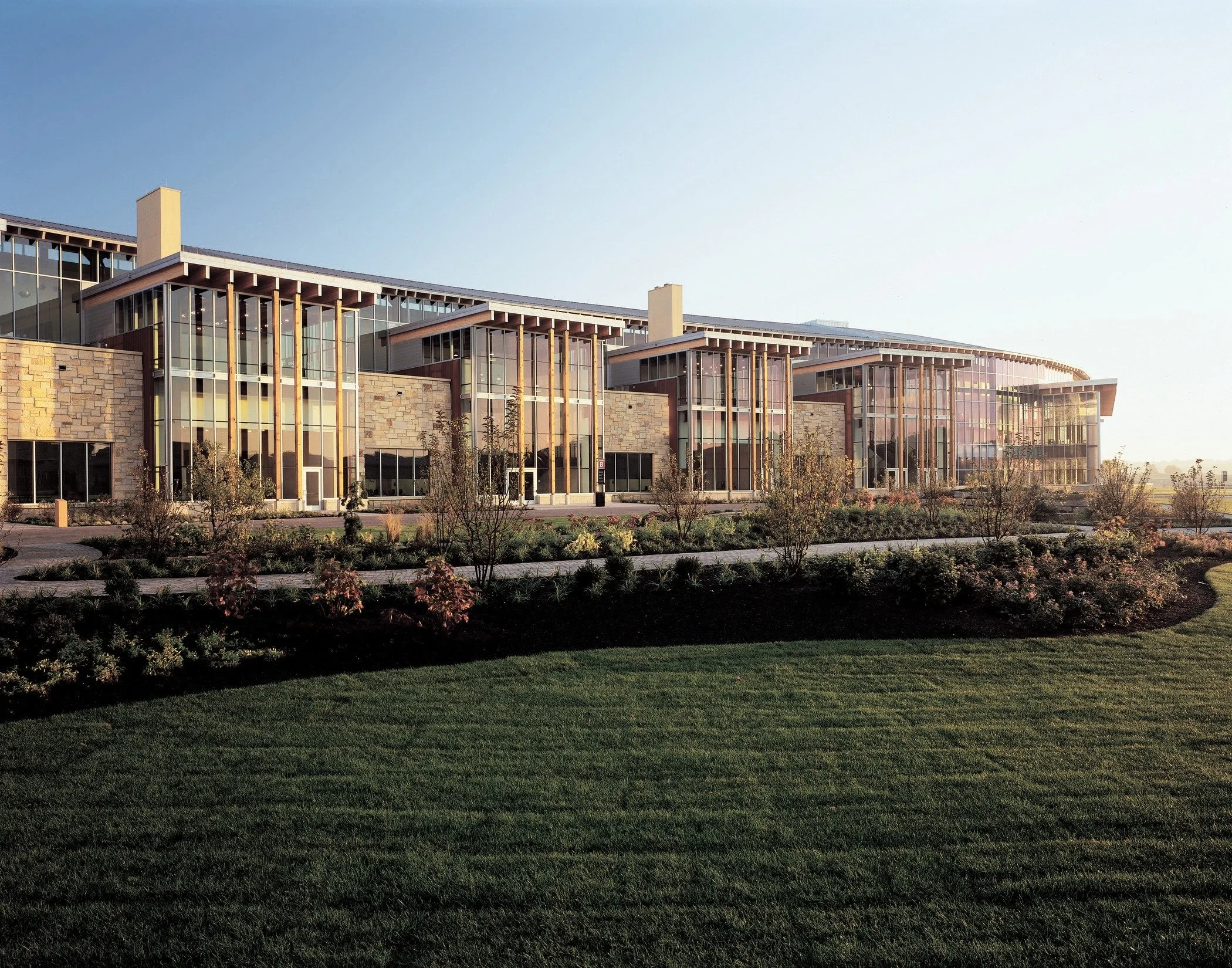
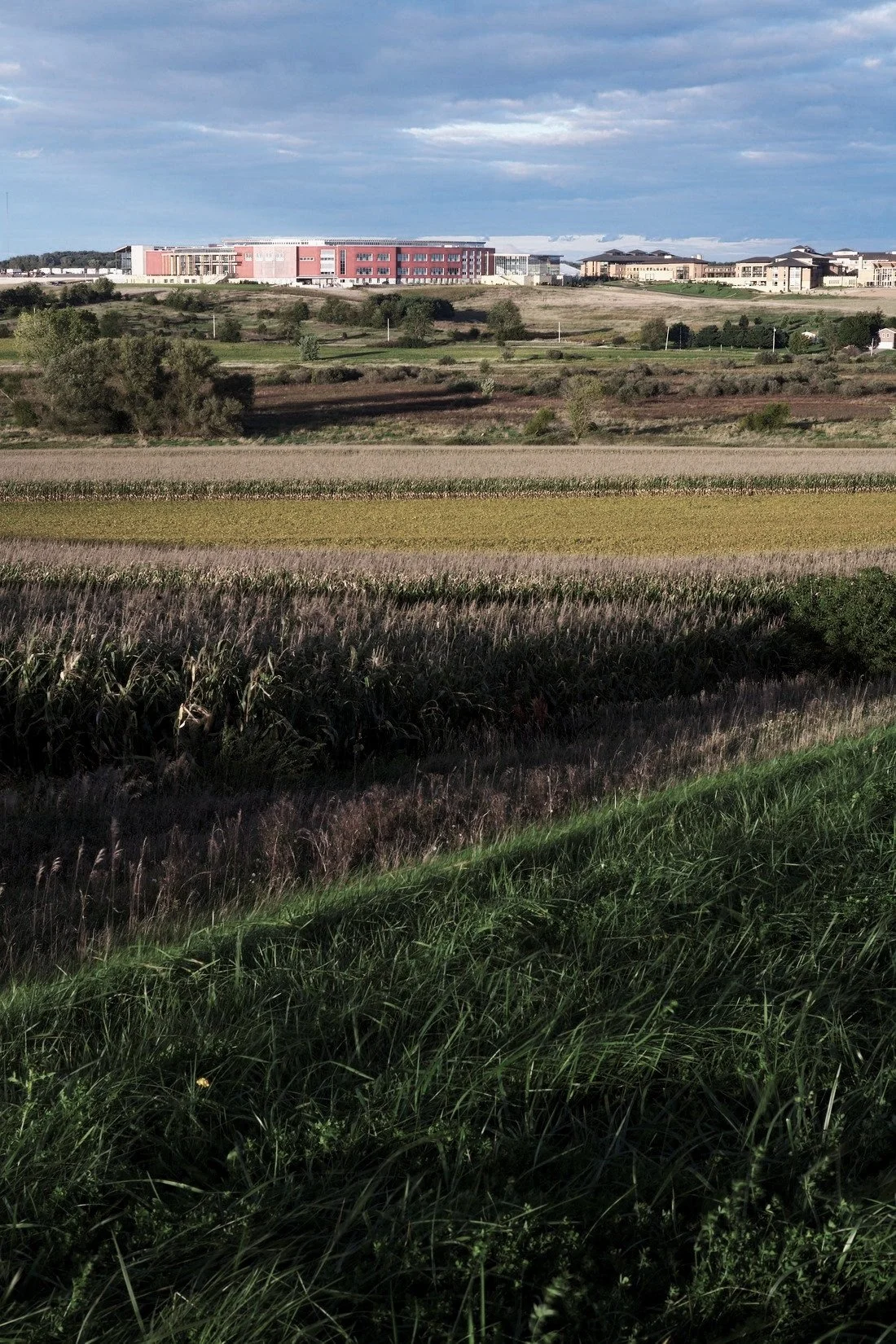
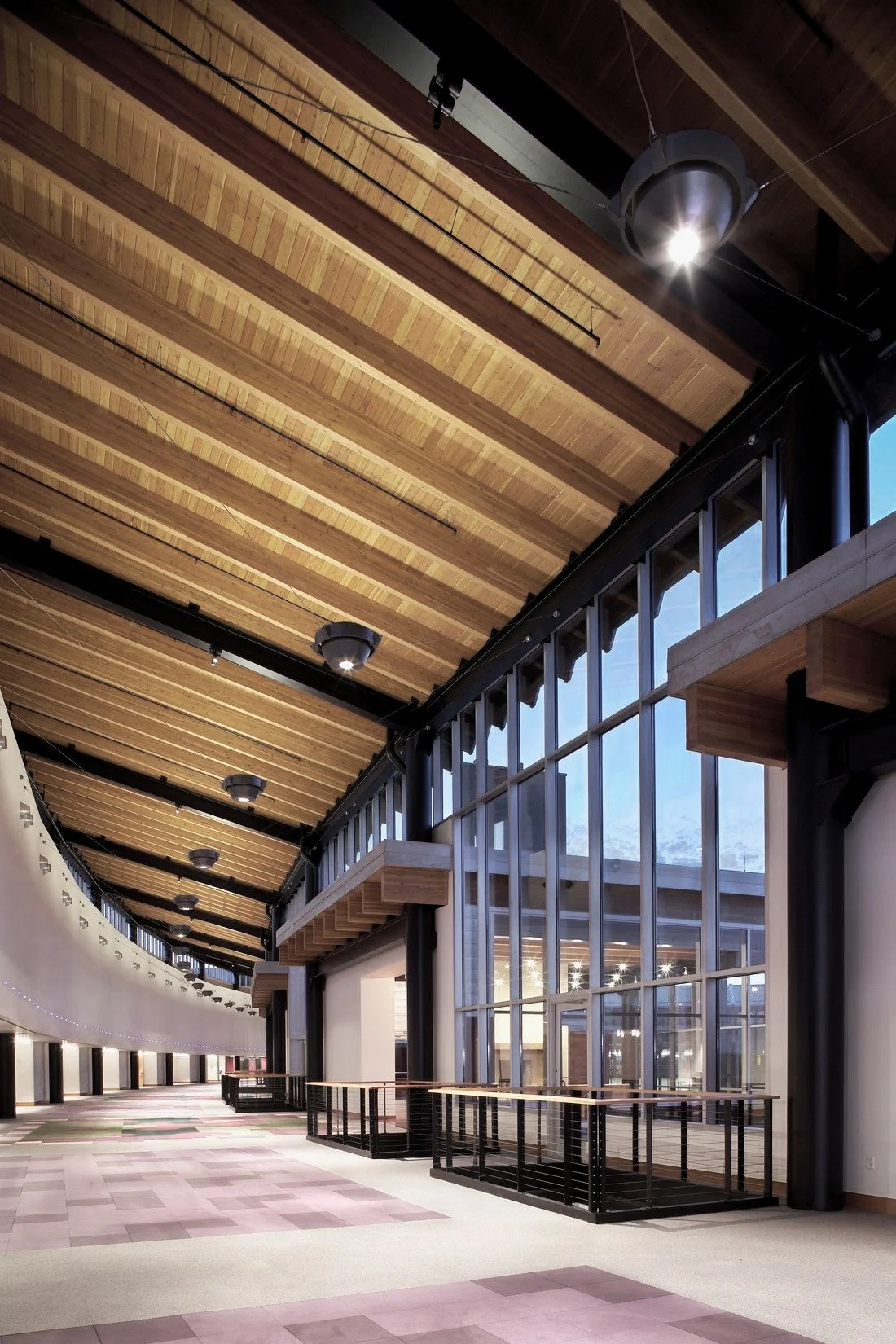
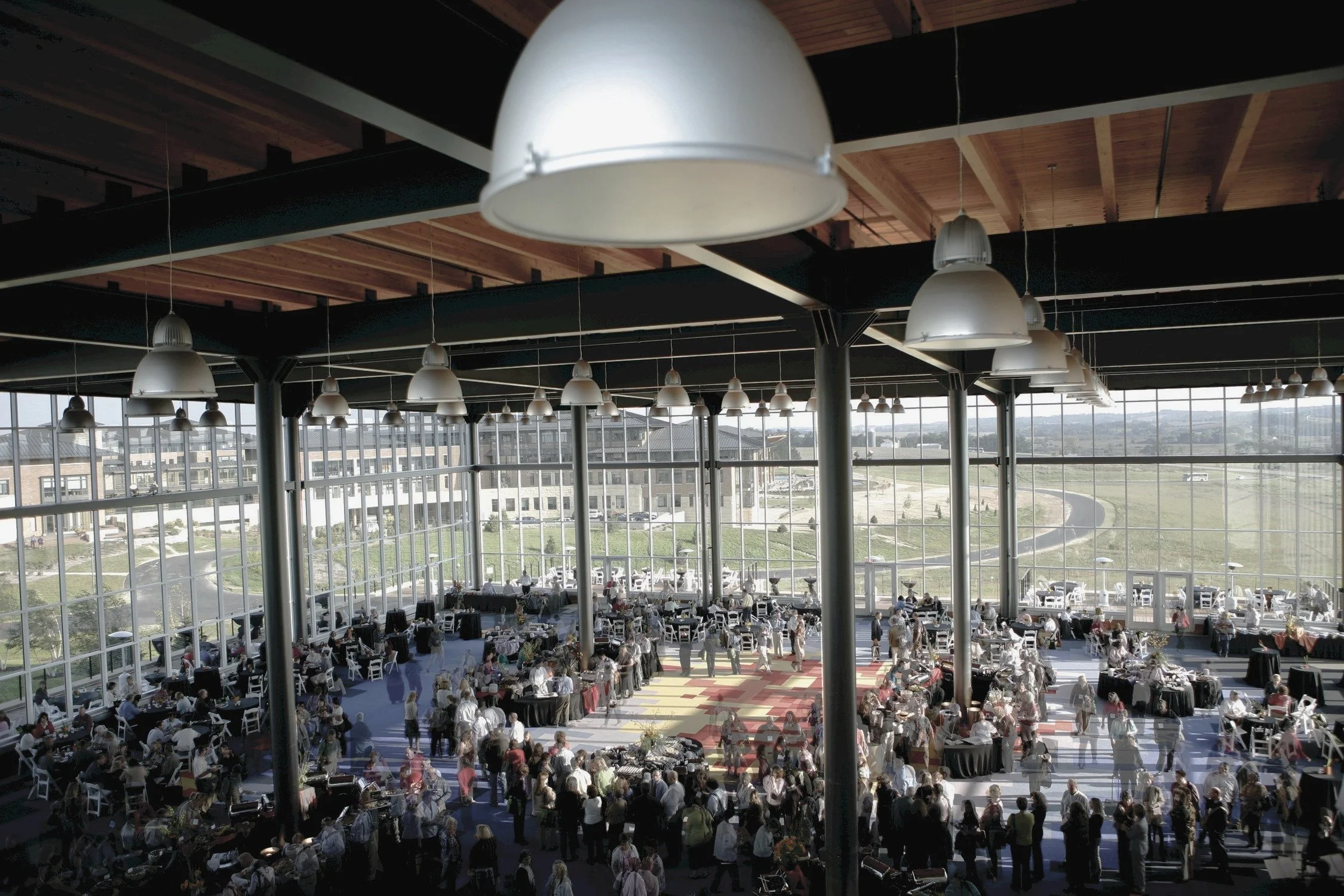
Rather than imposing a rigid building form on the site, the architecture follows the natural contours of the rural valley in a sweeping, linear composition. This sinuous plan maximizes daylight throughout the building while maintaining continuous visual connections to the surrounding prairie, farmland, and rolling Wisconsin landscape.
The building becomes an extension of the site itself, allowing nature to remain an active participant in the learning experience.
Reinterpreting the Wisconsin Barn
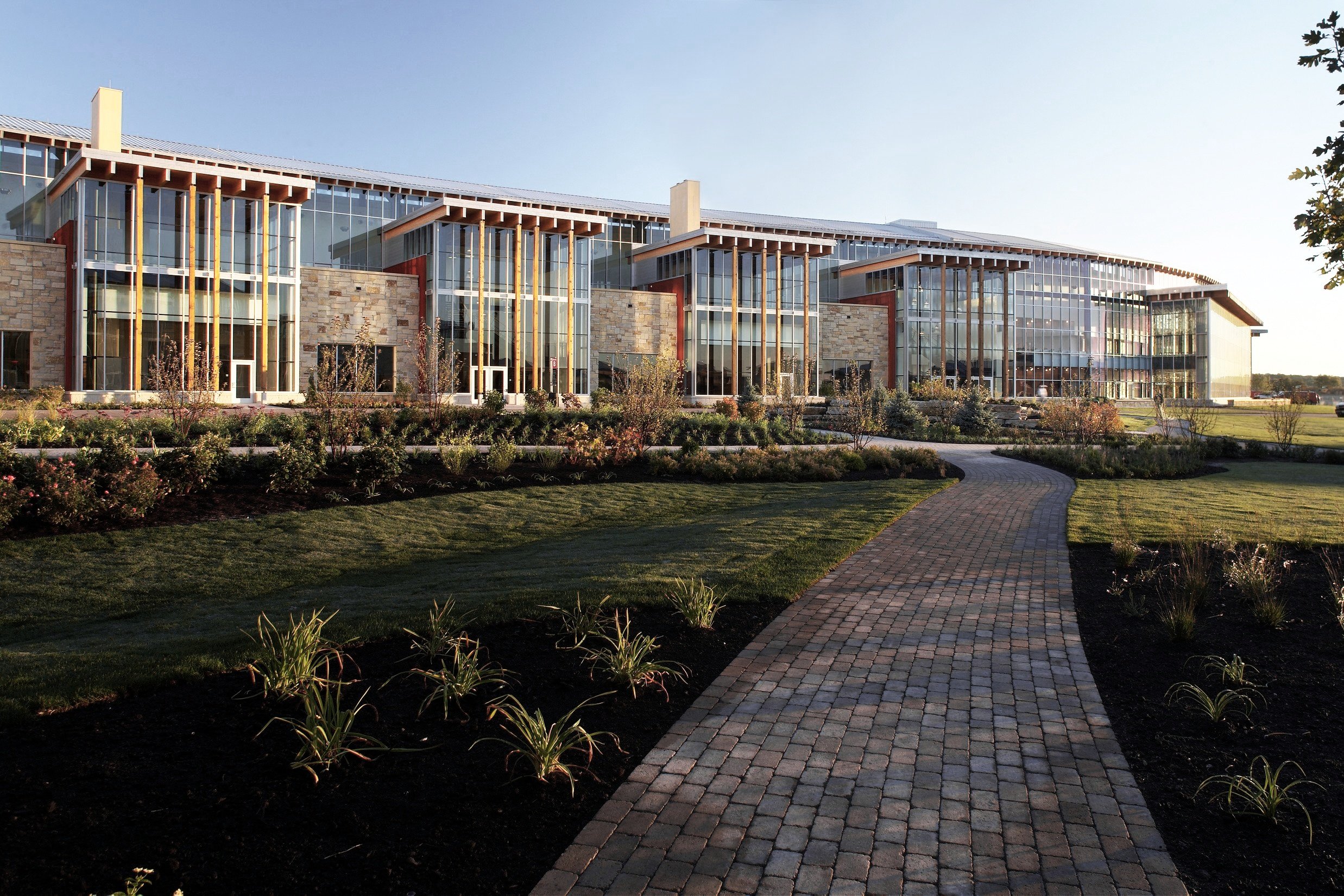
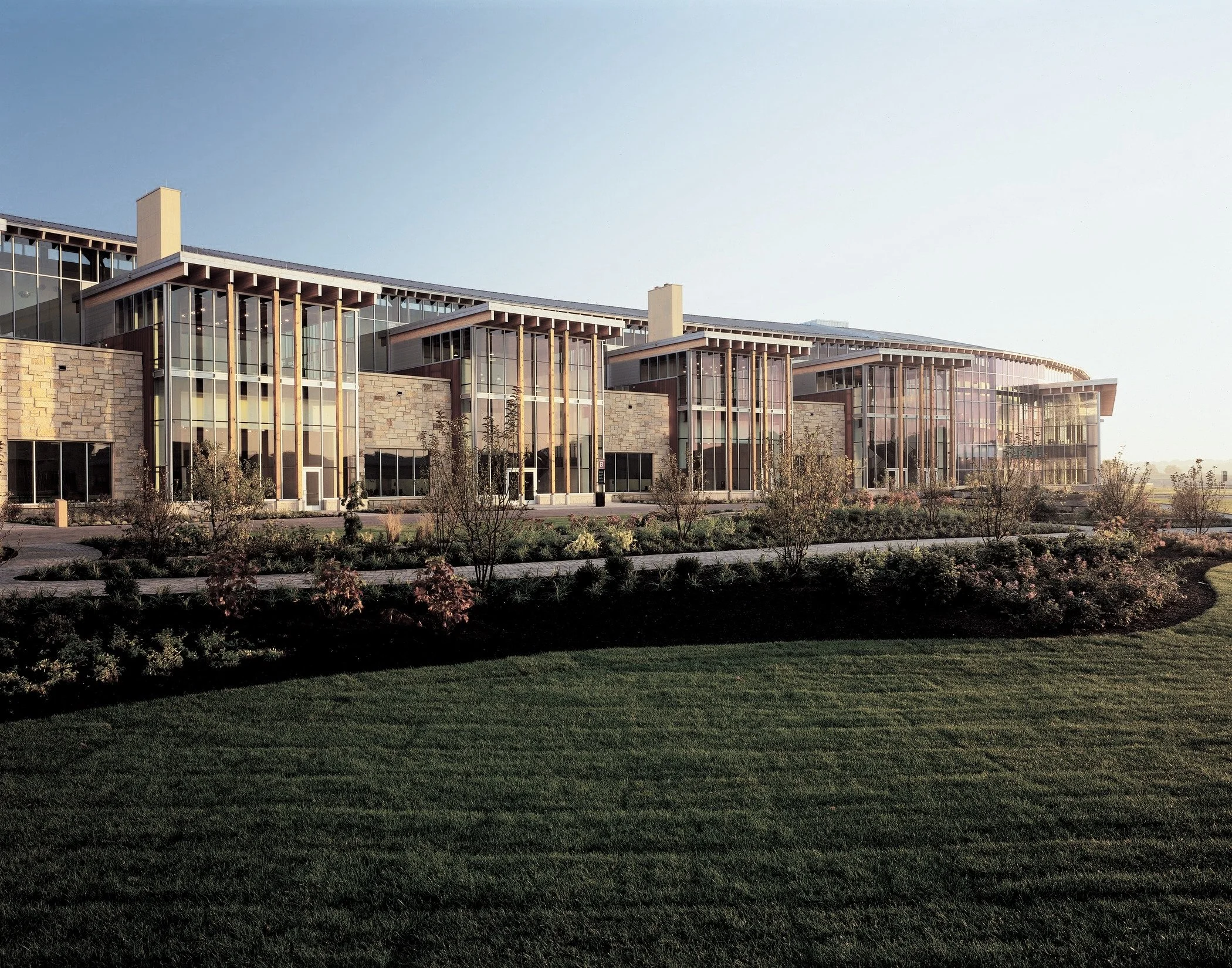
The design transforms familiar agricultural forms into a contemporary architectural language. Throughout rural Wisconsin, metal-roofed barns with weathered red siding serve as enduring landmarks across the landscape. The Learning Center draws upon this vernacular, abstracting these recognizable elements into a building scaled for a modern corporate campus.
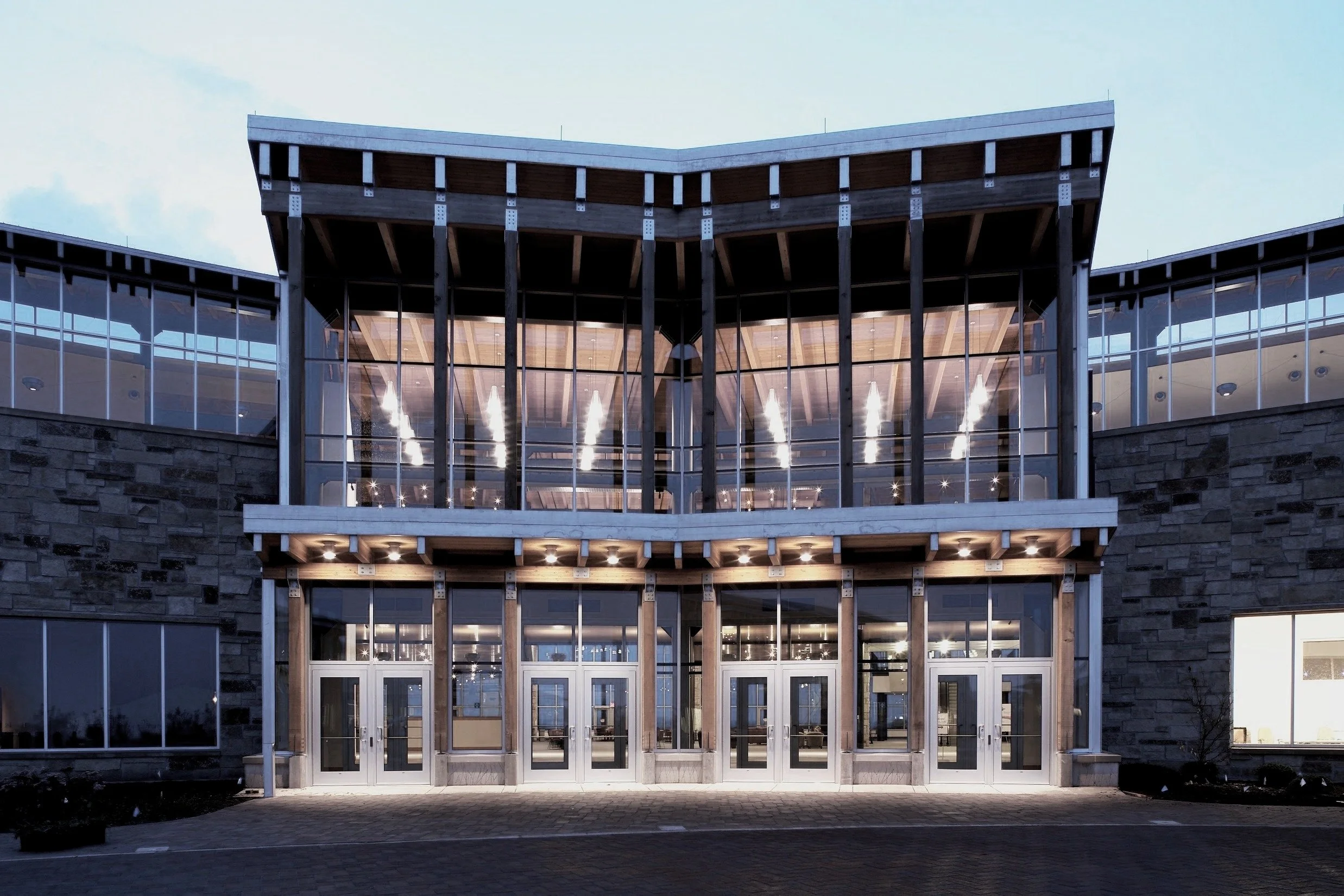
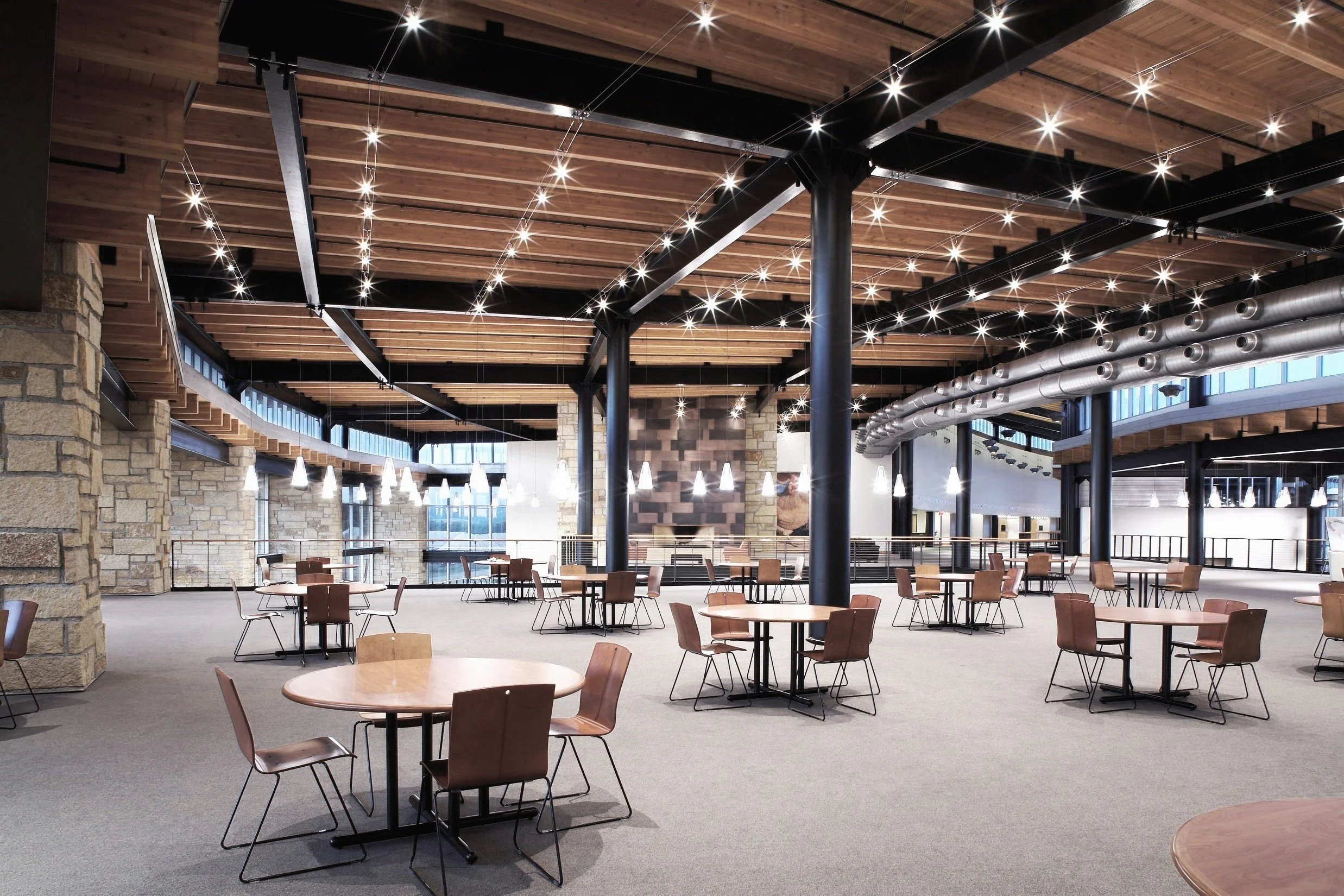
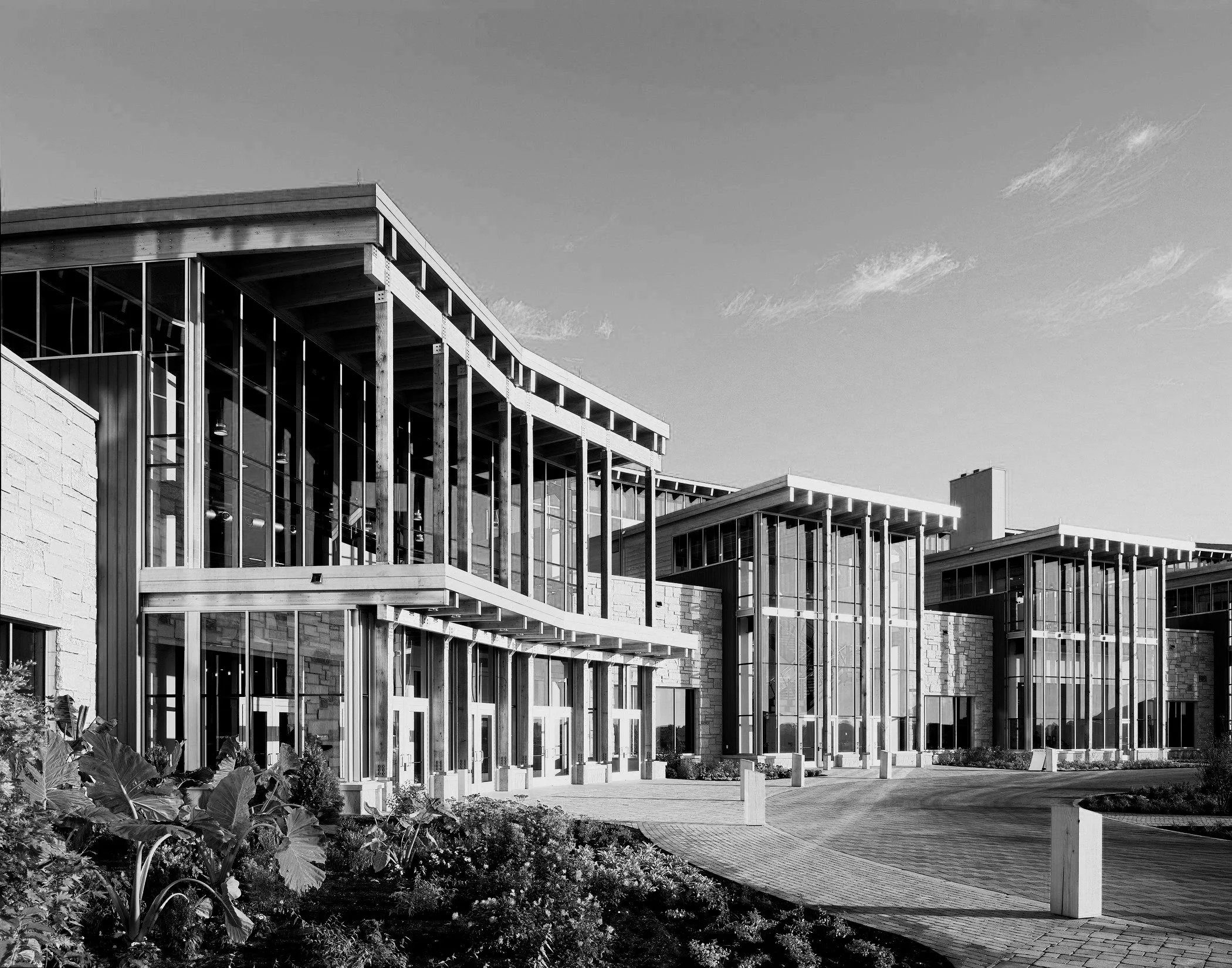
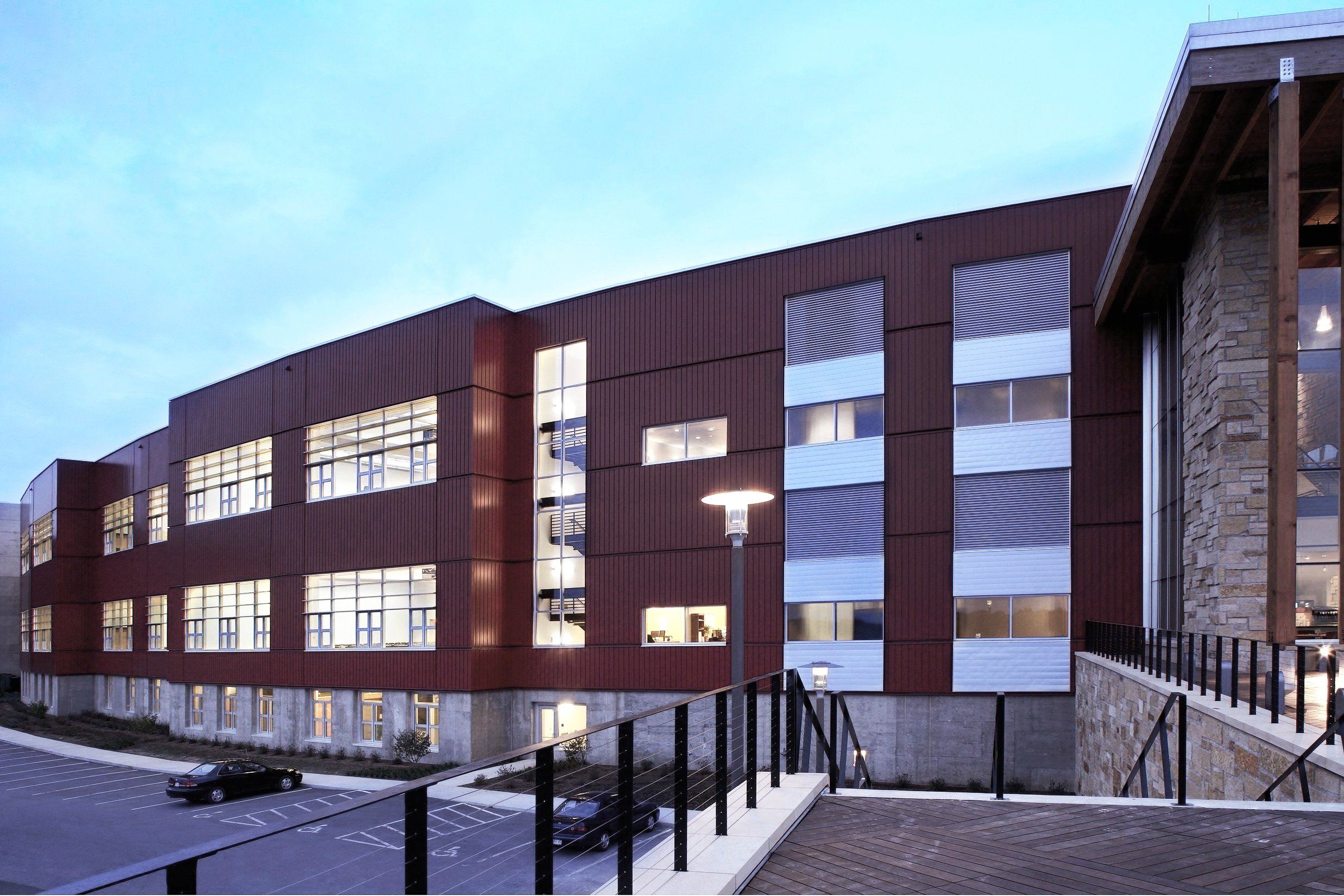
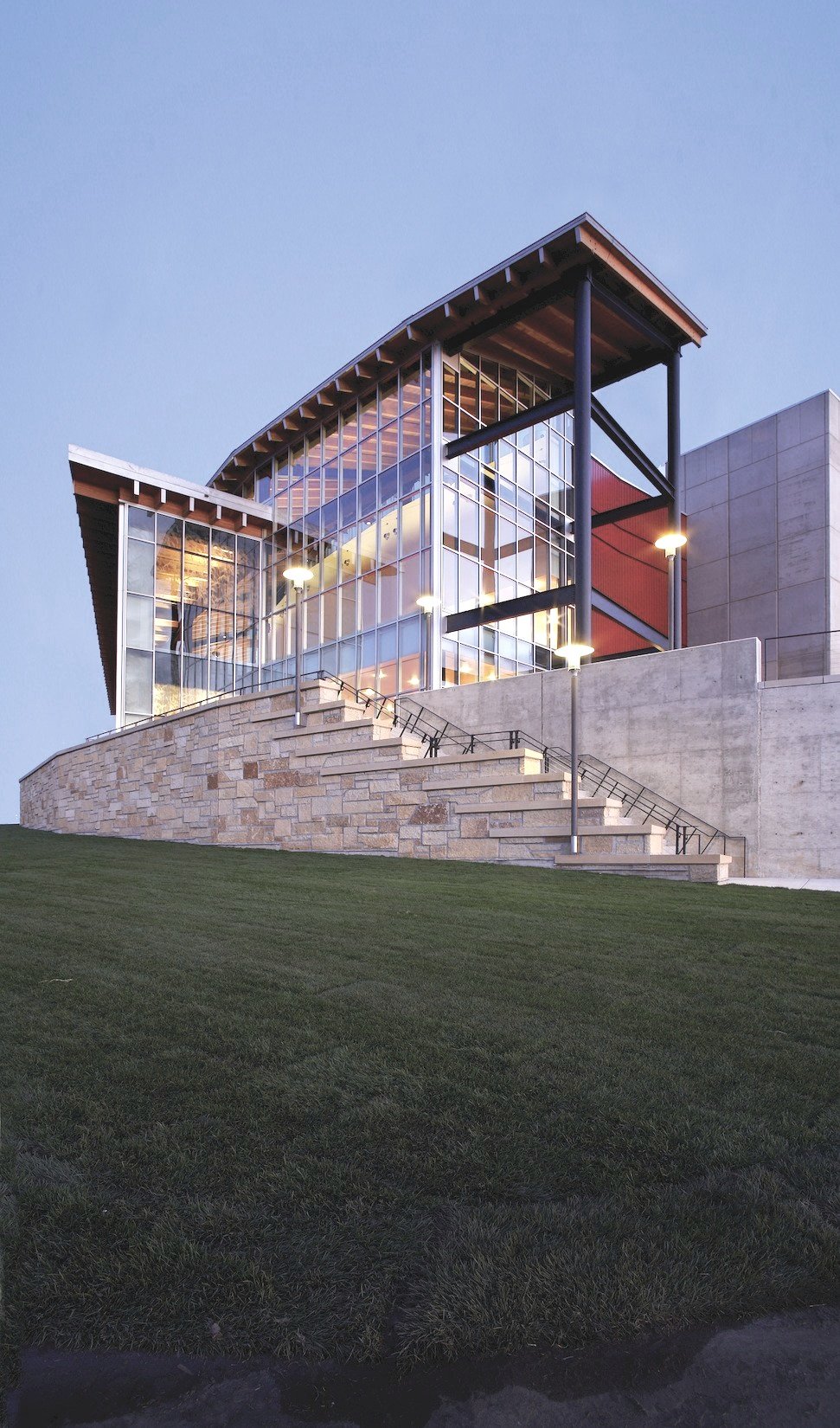
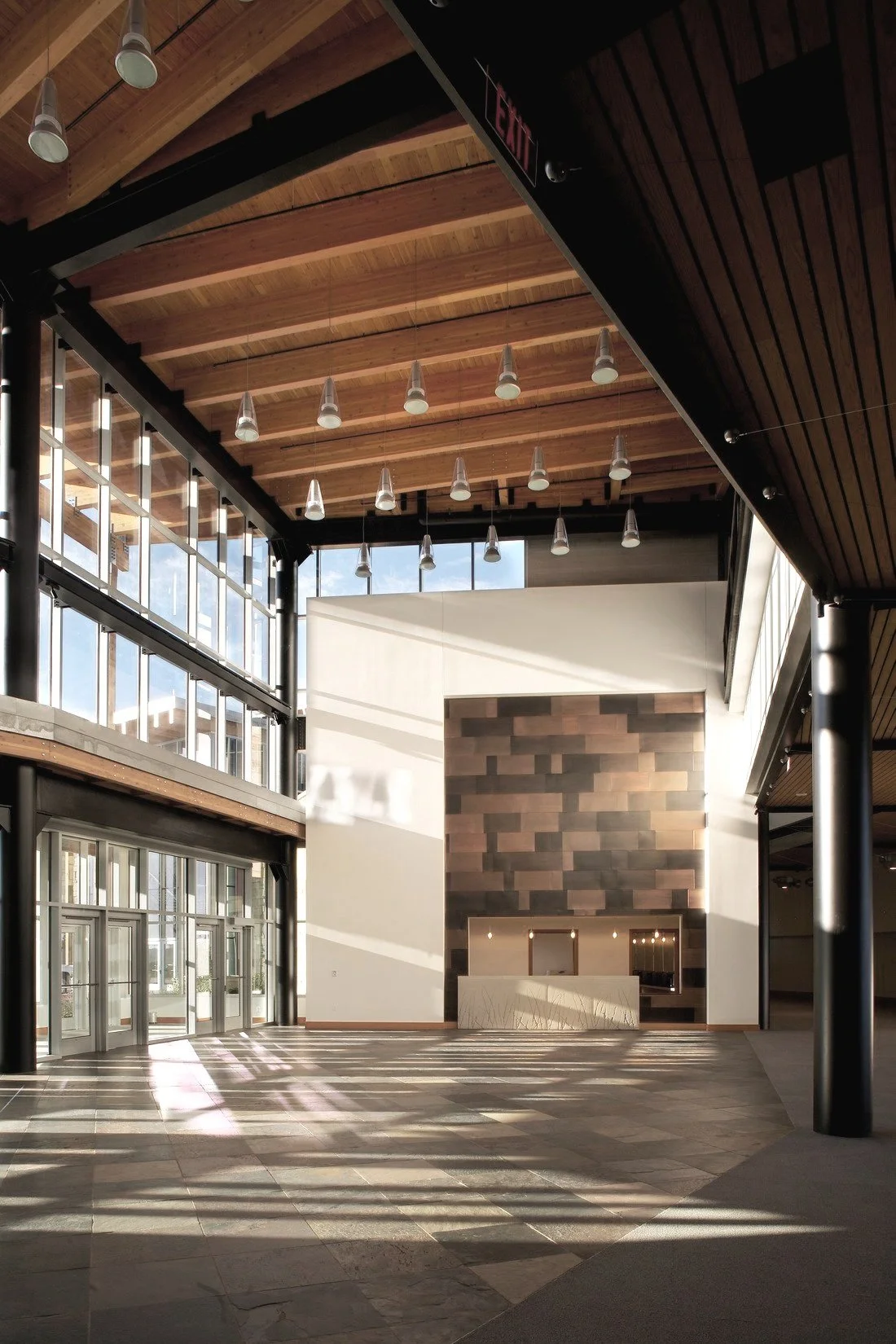
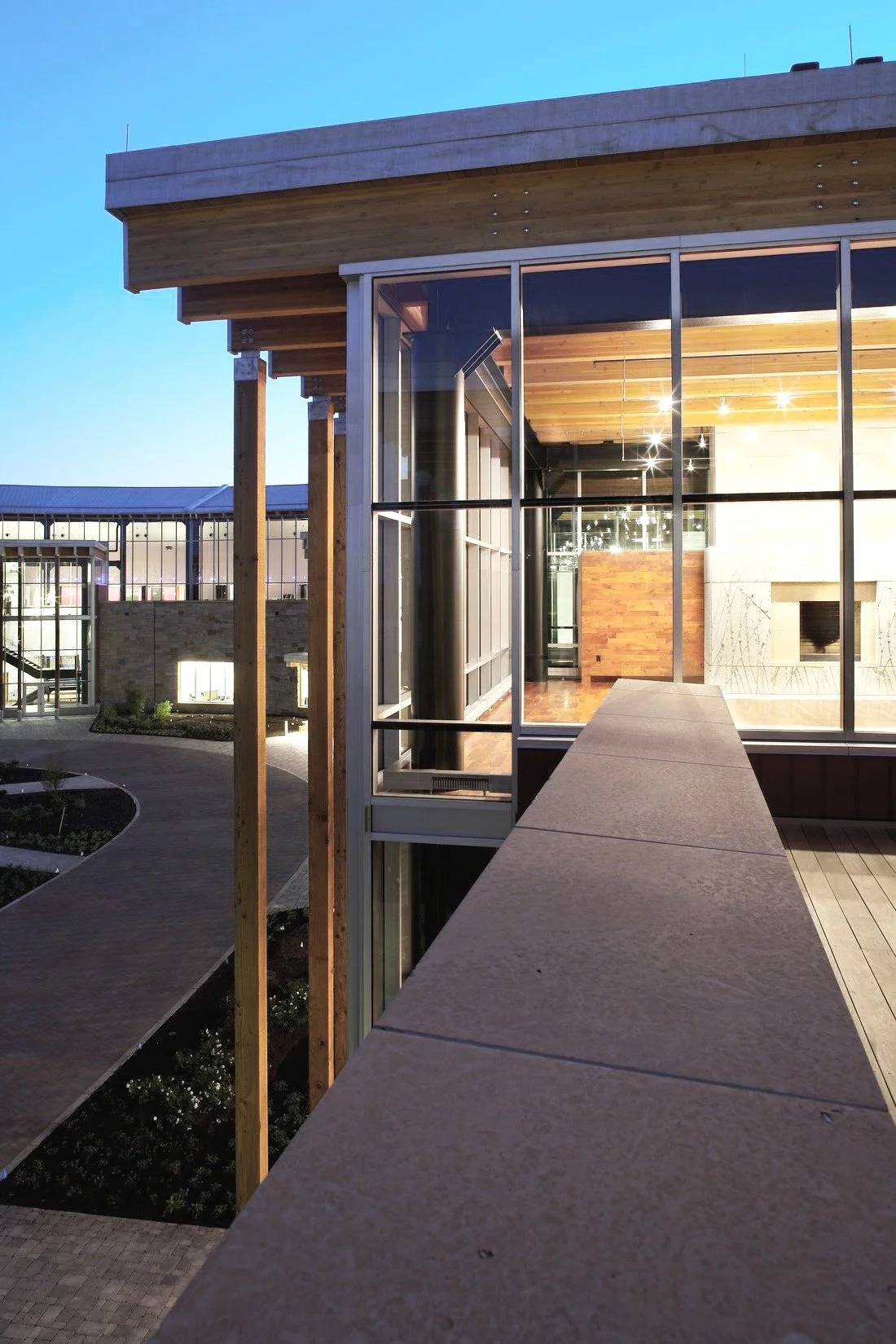
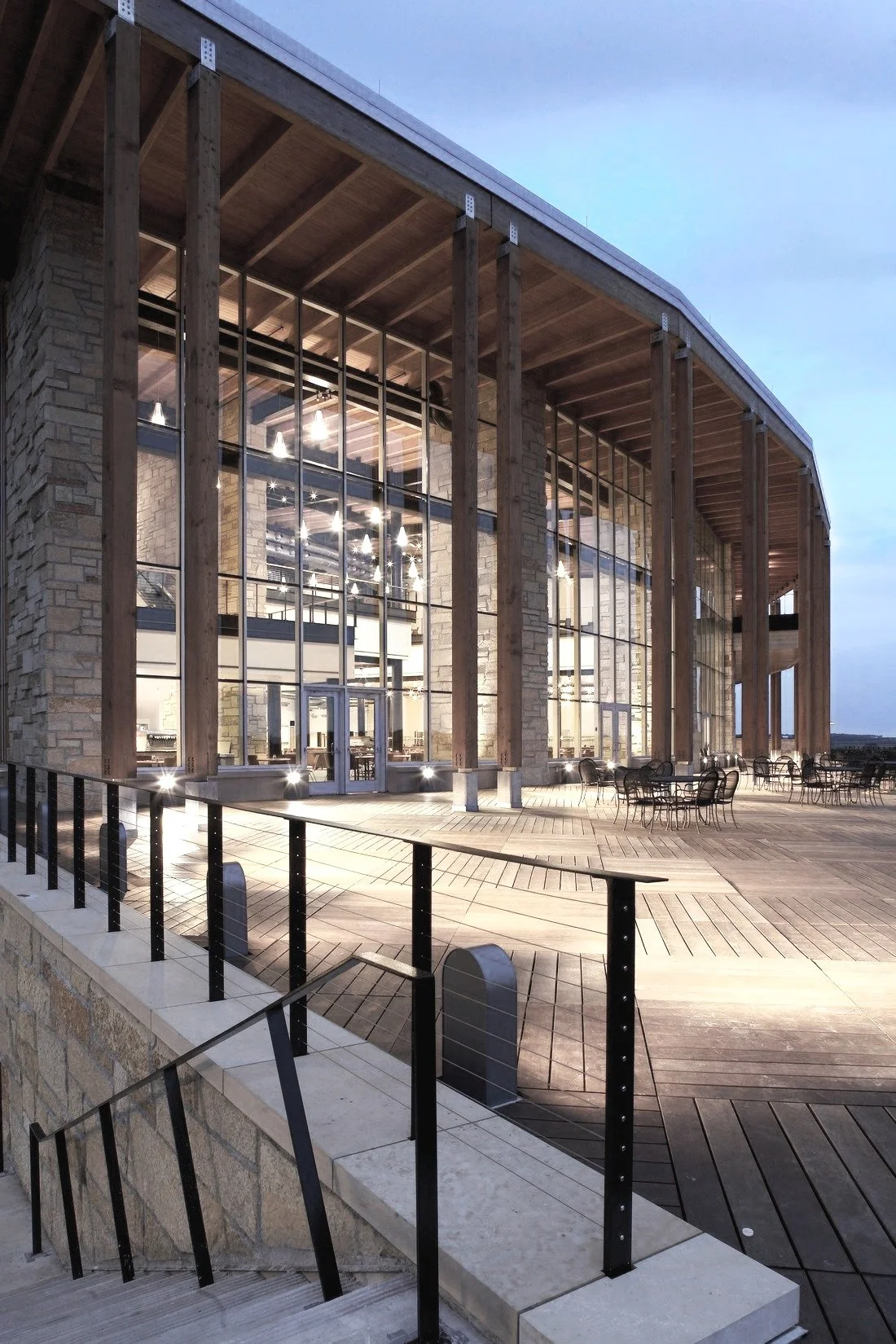
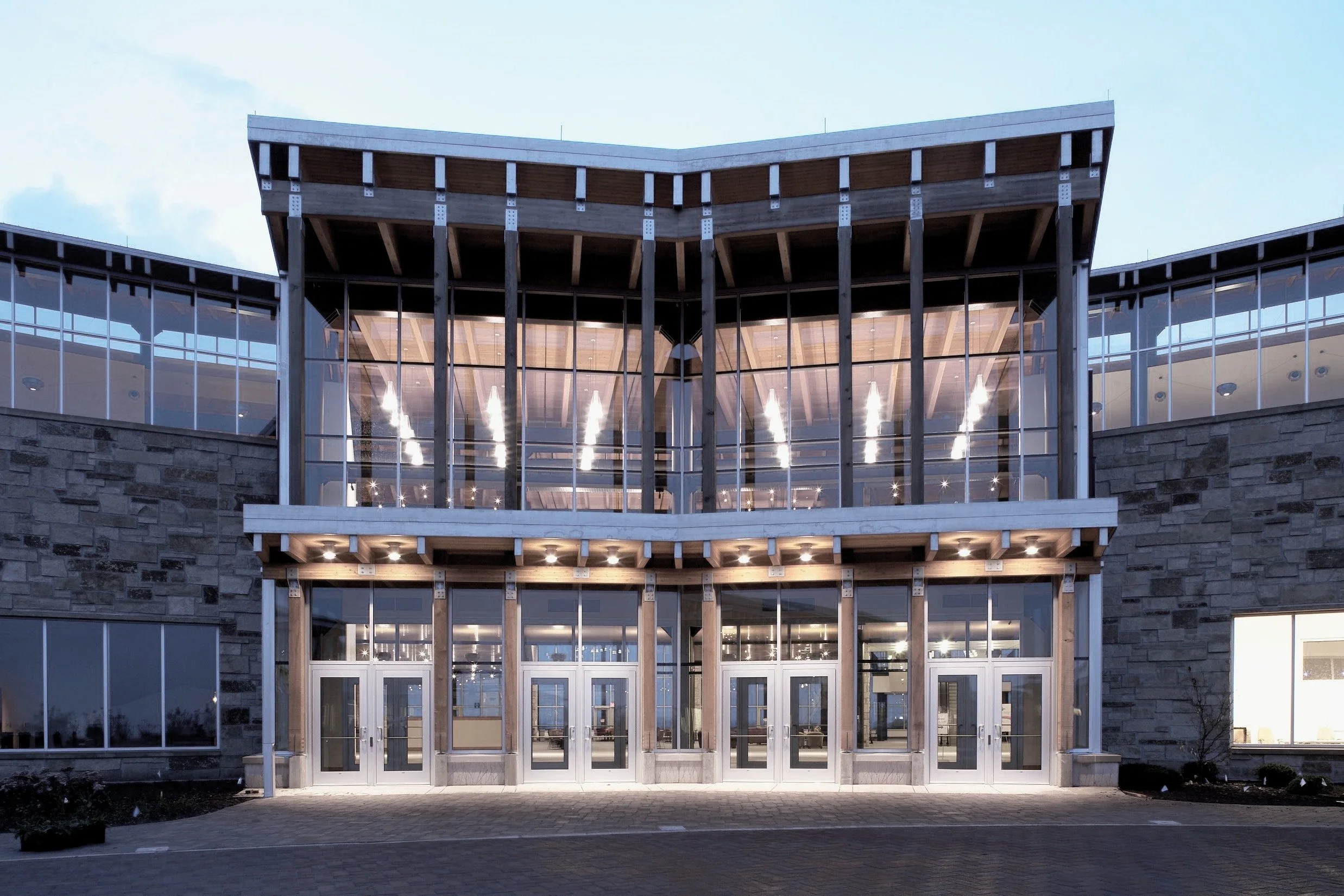
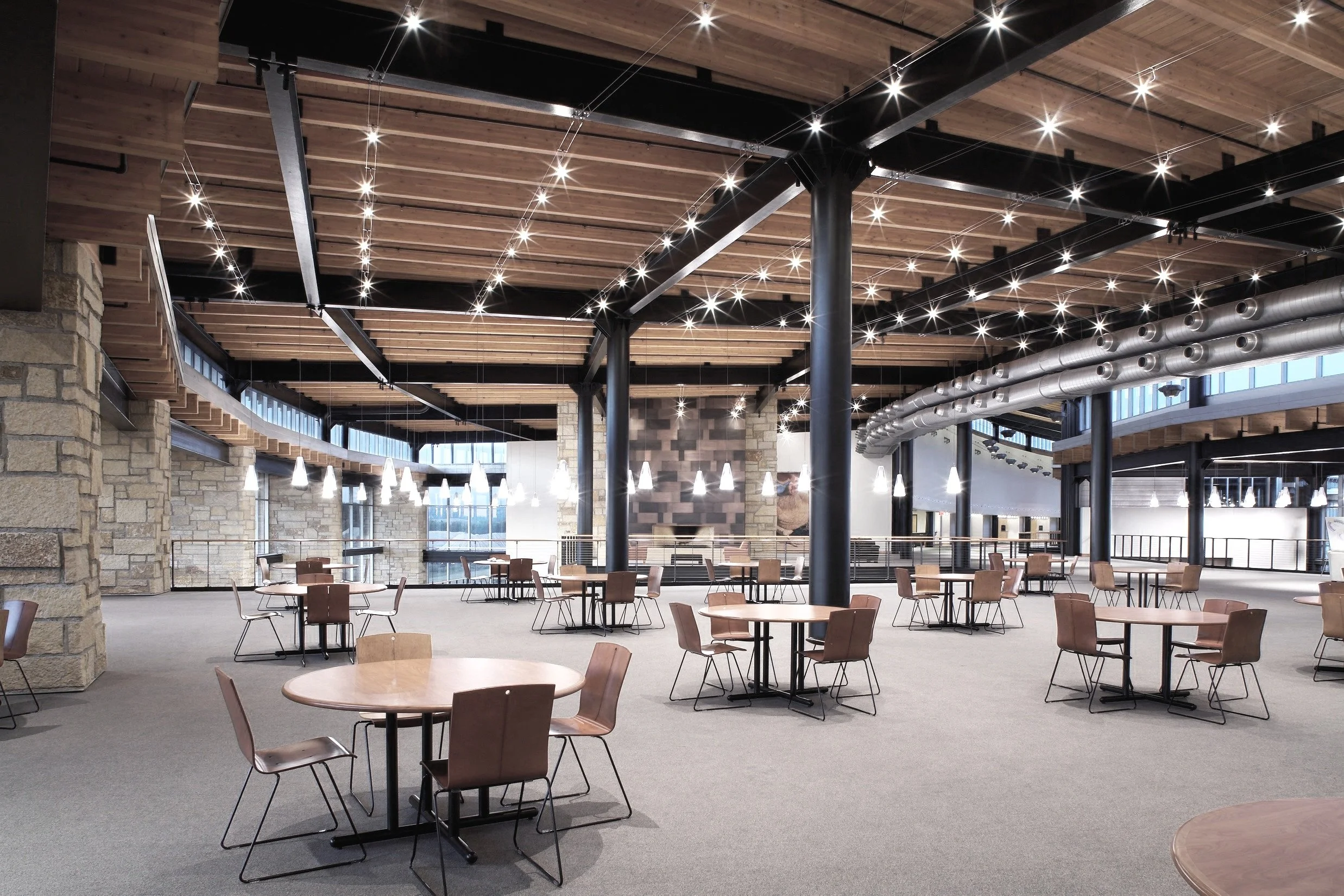
Exposed timber post-and-beam structures frame expansive glazed lounges, stair towers, and outdoor porches that project from the primary façade like oversized dormers and open barn doors. Local limestone anchors the building to the site, while barn-red metal panels and a continuous zinc-coated copper roof reference traditional agricultural materials through refined contemporary detailing.
Rather than replicating historic architecture, the building captures its character and spirit, creating a timeless expression that belongs naturally within its rural setting.
Spaces Designed for Learning
Every classroom was designed to support collaboration, communication, and evolving technology. Floor-to-ceiling projection walls, integrated presentation systems, and flexible learning environments accommodate a wide range of instructional formats while large windows maintain continuous connections to the surrounding landscape.
Throughout the building, informal gathering spaces encourage spontaneous interaction between employees, instructors, and visitors, reinforcing a culture of collaboration that extends beyond the classroom.
The result is an environment where formal instruction and informal learning work together to support innovation.
Sustainability Through Performance
Environmental stewardship informed the project from the earliest stages of design. Daylight is maximized throughout classrooms and meeting spaces, reducing reliance on artificial lighting while improving occupant comfort. Operable windows provide opportunities for natural ventilation, complemented by high-performance glazing and a carefully detailed building envelope that minimizes energy consumption.
Occupancy sensors and daylight-responsive lighting controls further reduce operational energy use, while exterior lighting strategies minimize light pollution and preserve the character of the surrounding landscape. During construction, extensive recycling efforts diverted thousands of tons of material from landfills, reinforcing the project's commitment to responsible resource management.
These integrated strategies create a high-performing building that balances environmental responsibility with an exceptional user experience.
A Contemporary Landmark
The Epic Learning Center demonstrates how architecture can draw strength from regional identity while embracing innovation. Inspired by Wisconsin's agricultural heritage yet designed for the future of workplace learning, the building creates an environment where landscape, technology, and architecture work together to foster education, collaboration, and community.
By reimagining familiar rural forms at an institutional scale, the project establishes a memorable destination that reflects both the character of its setting and Epic's commitment to continuous learning.
Planning Principles
Architecture Rooted in Place – Draw inspiration from regional history and landscape to create authentic, enduring architecture.
Learning Through Environment – Maximize daylight, views, and flexible spaces that enrich learning and collaboration.
Honor the Vernacular – Reinterpret traditional building forms through contemporary materials and detailing rather than imitation.
Landscape as Framework – Shape buildings to respond to natural topography and preserve meaningful connections to the site.
Technology with Flexibility – Create adaptable learning environments that support evolving methods of instruction and collaboration.
High-Performance Design – Integrate sustainable systems and efficient building envelopes to improve comfort while reducing environmental impact.
Create Lasting Identity – Design memorable places that express organizational culture while strengthening their connection to the surrounding community.
VERONA WI
LOCATION
PROJECT INFORMATION
700,000 SQ FT
SIZE
COMPLETED 2007
STATUS
NEW CONSTRUCTION
PROJECT SCOPE
WORK EXECUTED WHILE AT CUNINGHAM