
NORTH LOOP GREEN TOWER
Transforming an Urban Edge
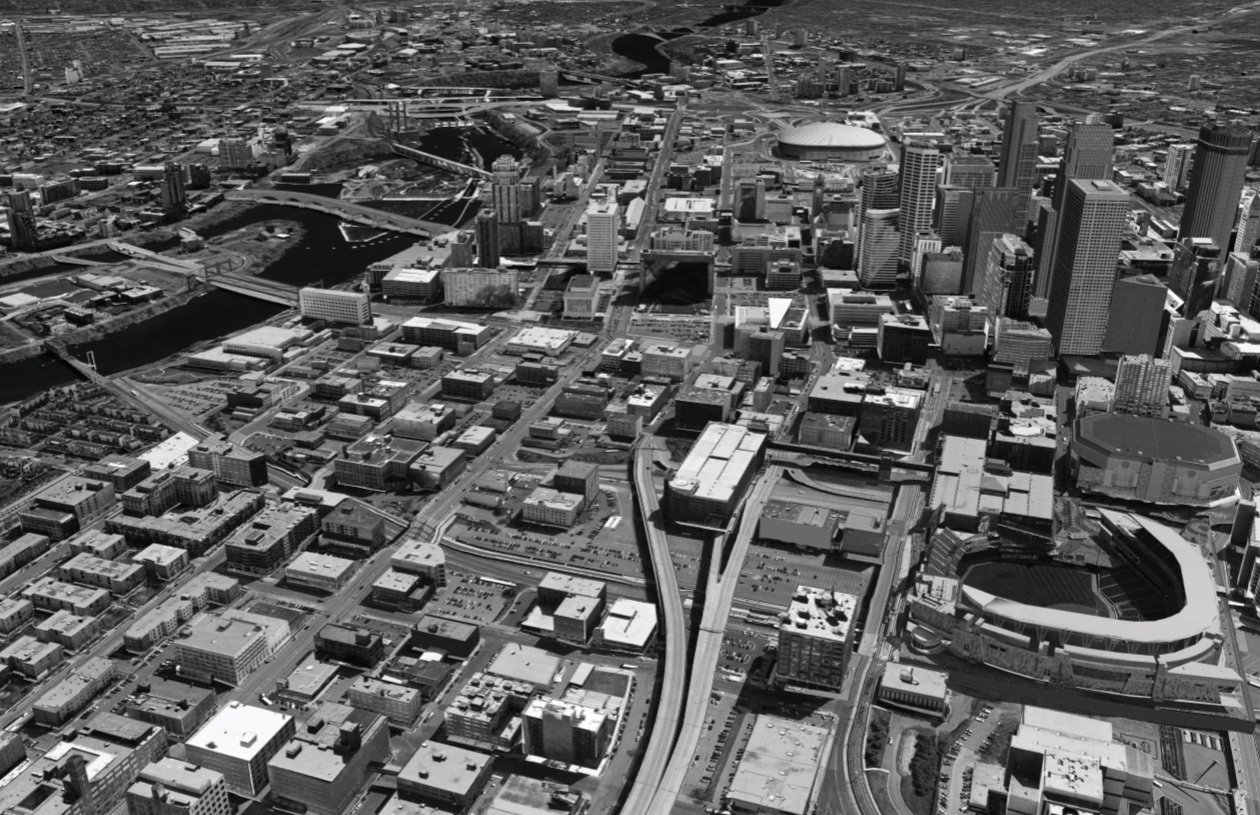
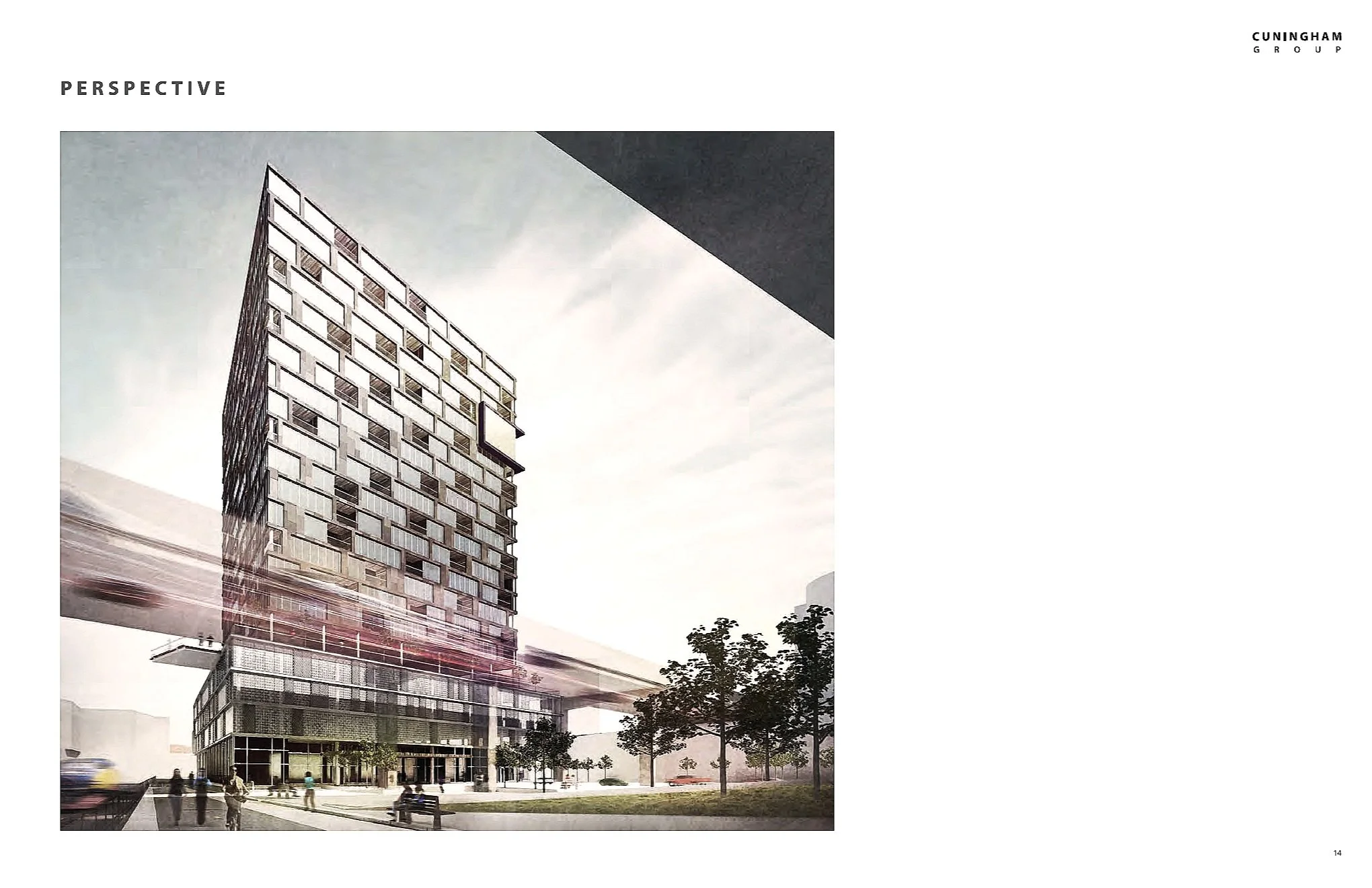
Cities are often defined as much by their overlooked places as by their celebrated landmarks. Located adjacent to a major elevated highway in Minneapolis' historic North Loop, North Loop Green reimagines a challenging urban site as a vibrant mixed-use residential community that reconnects people, infrastructure, and neighborhood life.
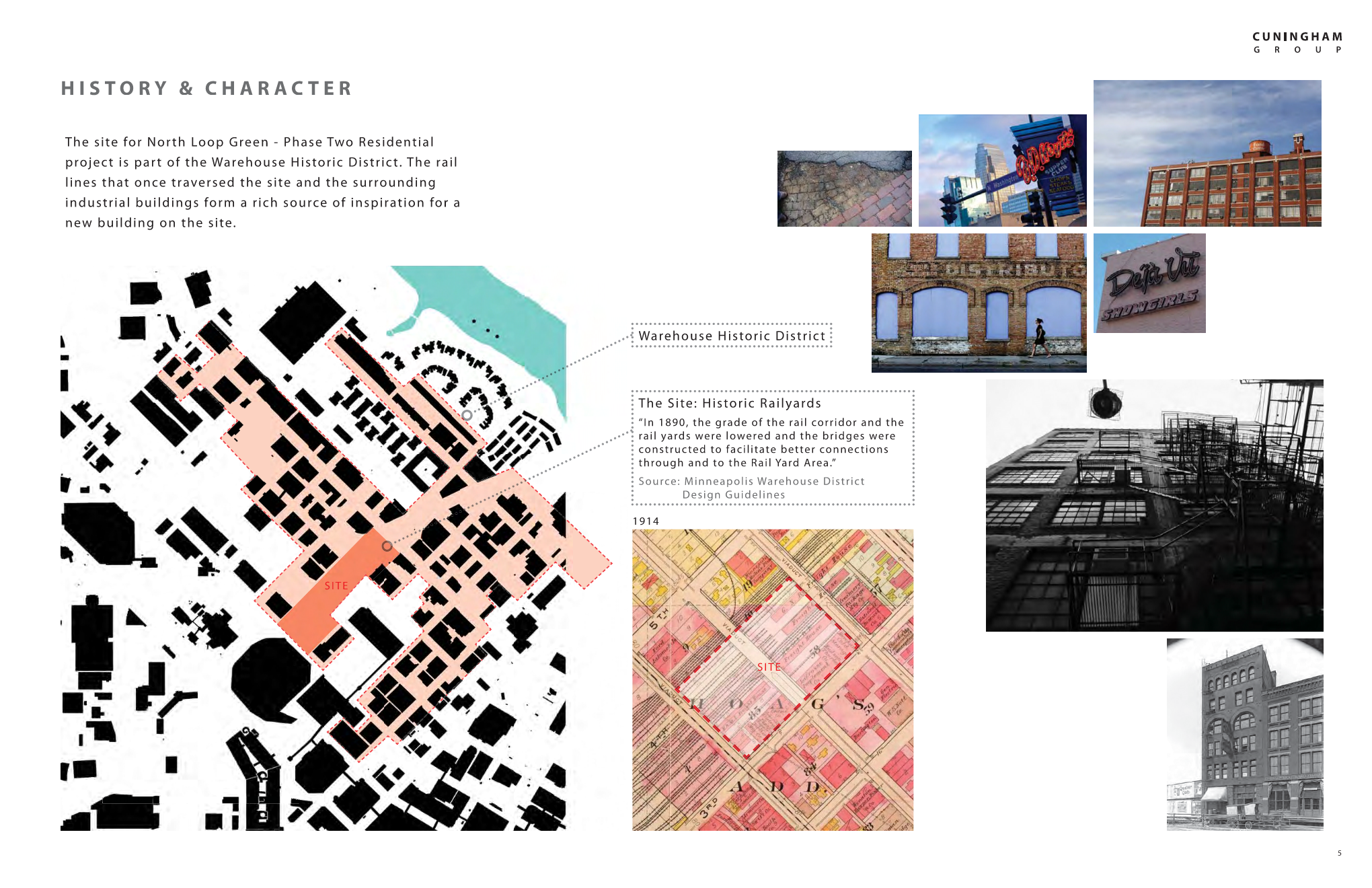
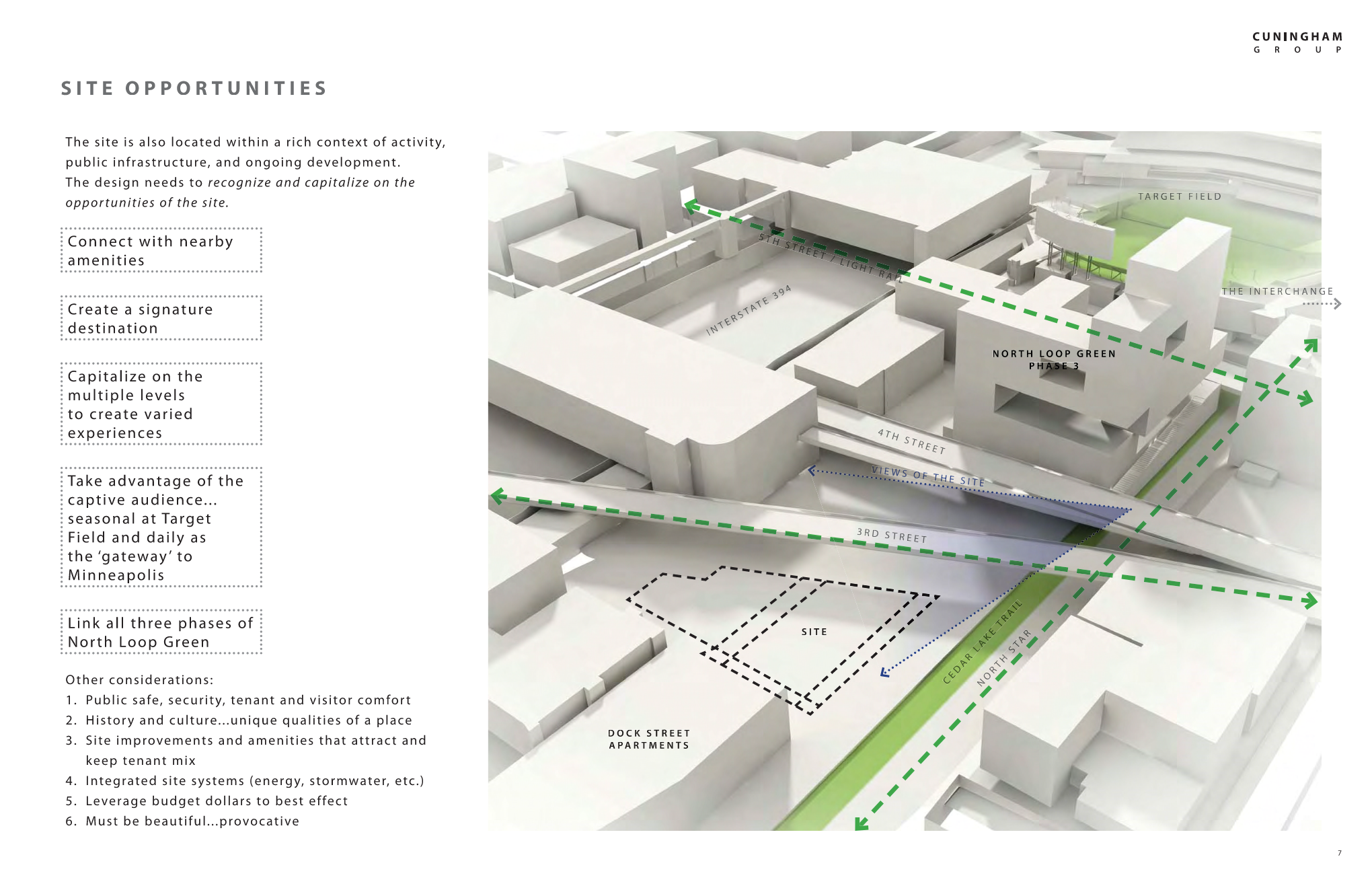
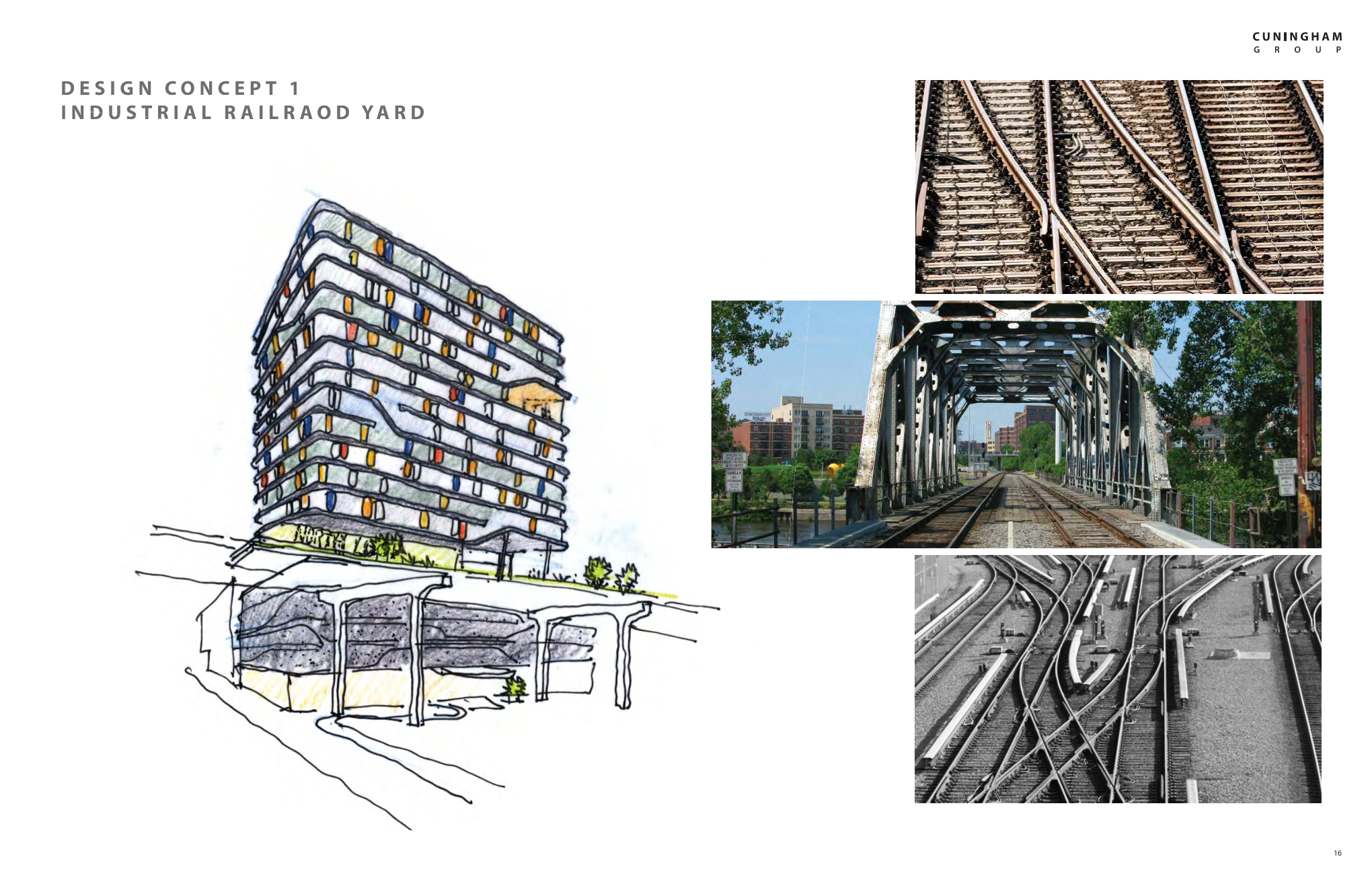
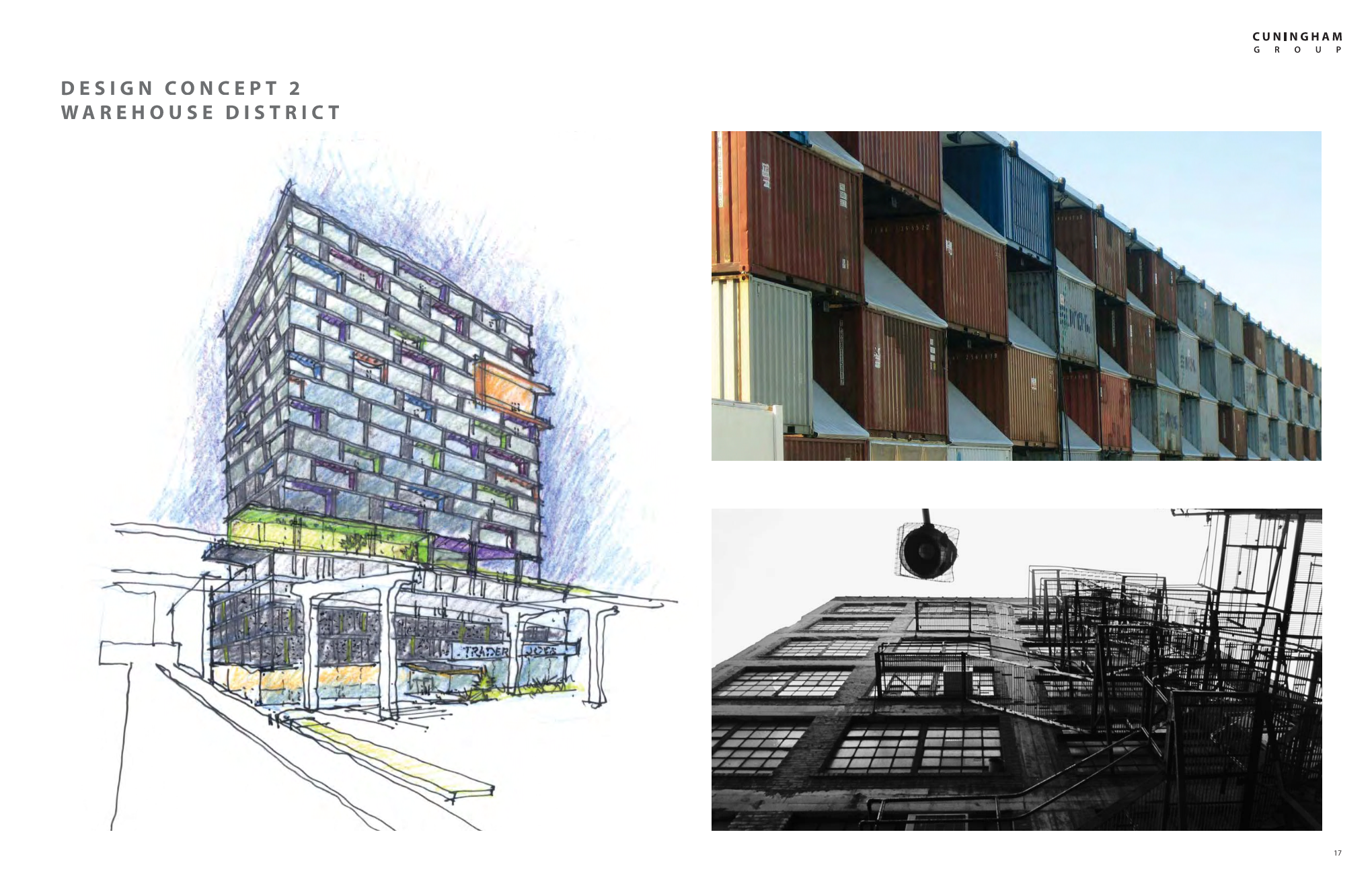
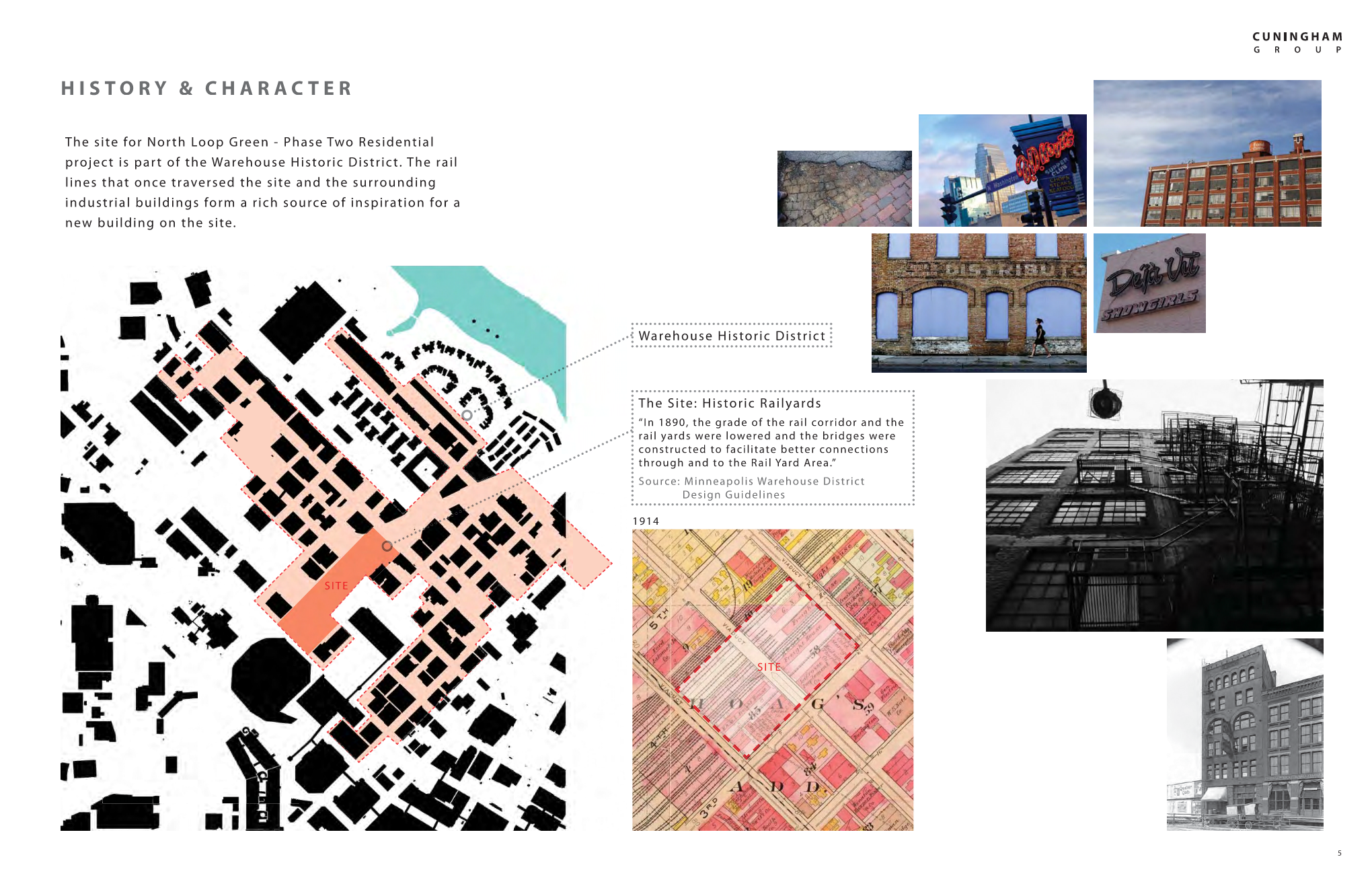
Situated within the city's historic Warehouse District, the development draws inspiration from the industrial buildings, rail corridors, and working character that have shaped the identity of the North Loop for generations. Rather than viewing the site's irregular geometry and surrounding infrastructure as limitations, the design embraces these conditions as opportunities to create a distinctive urban place.
Designing Within Complexity
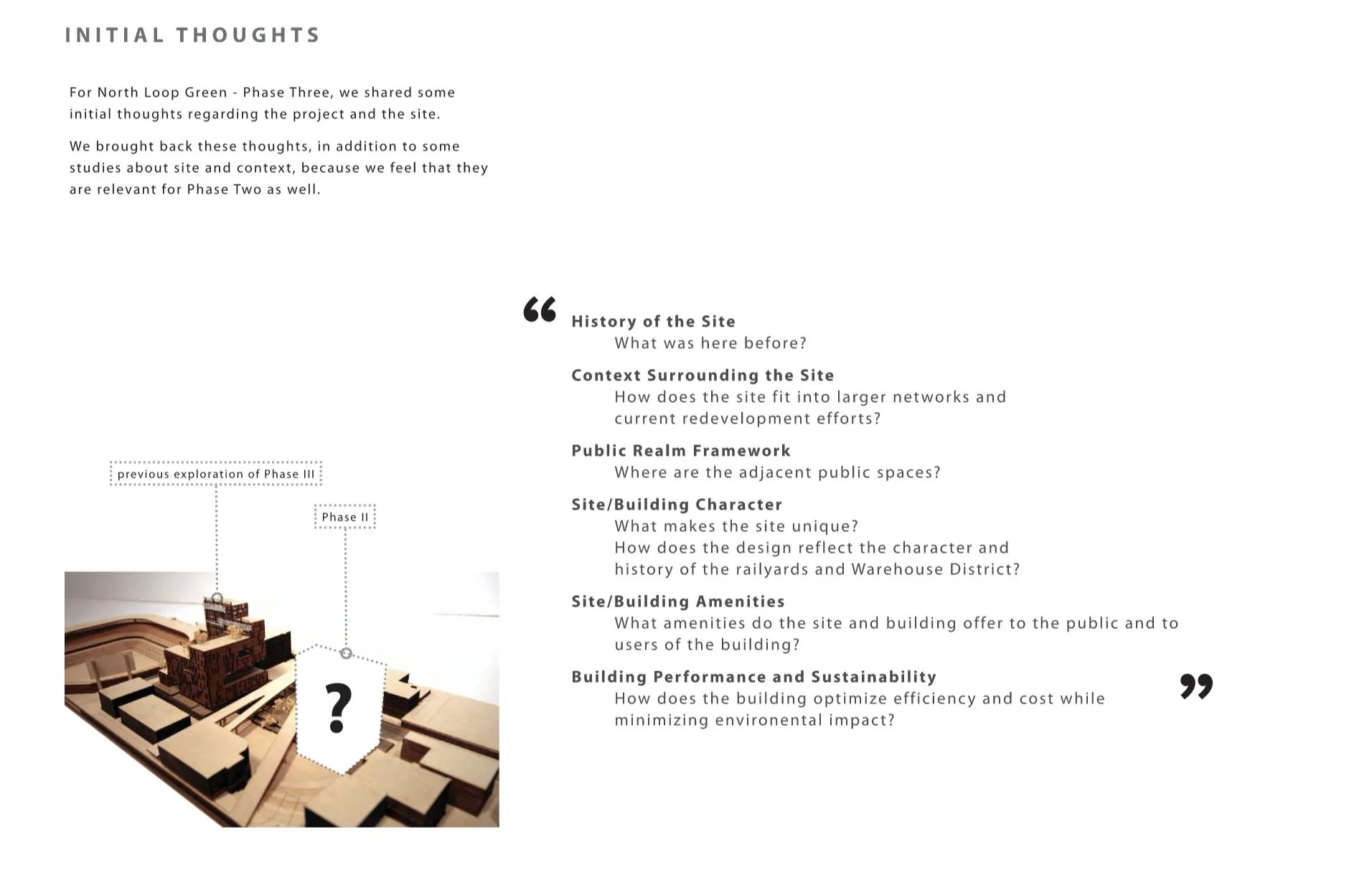
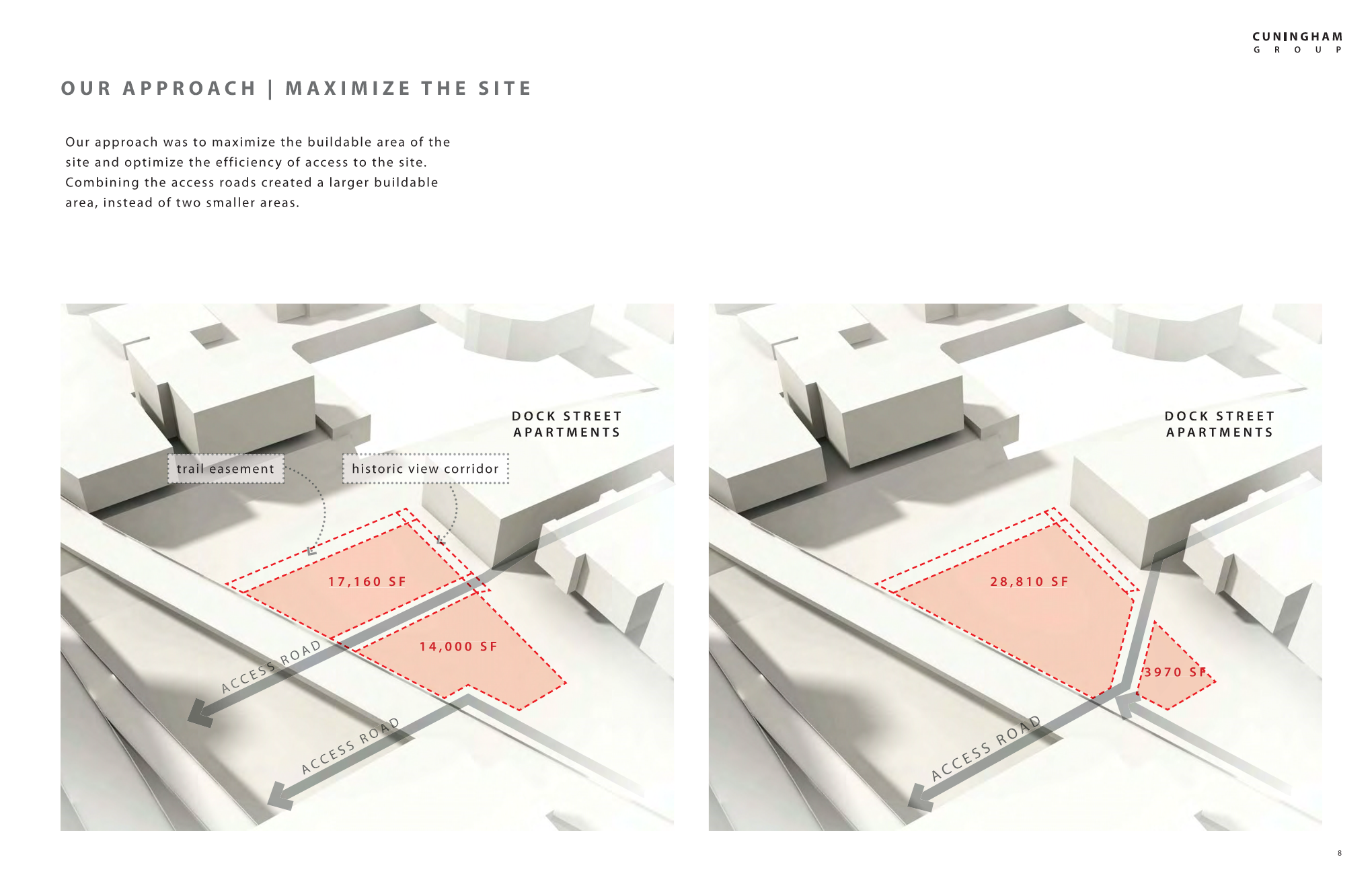
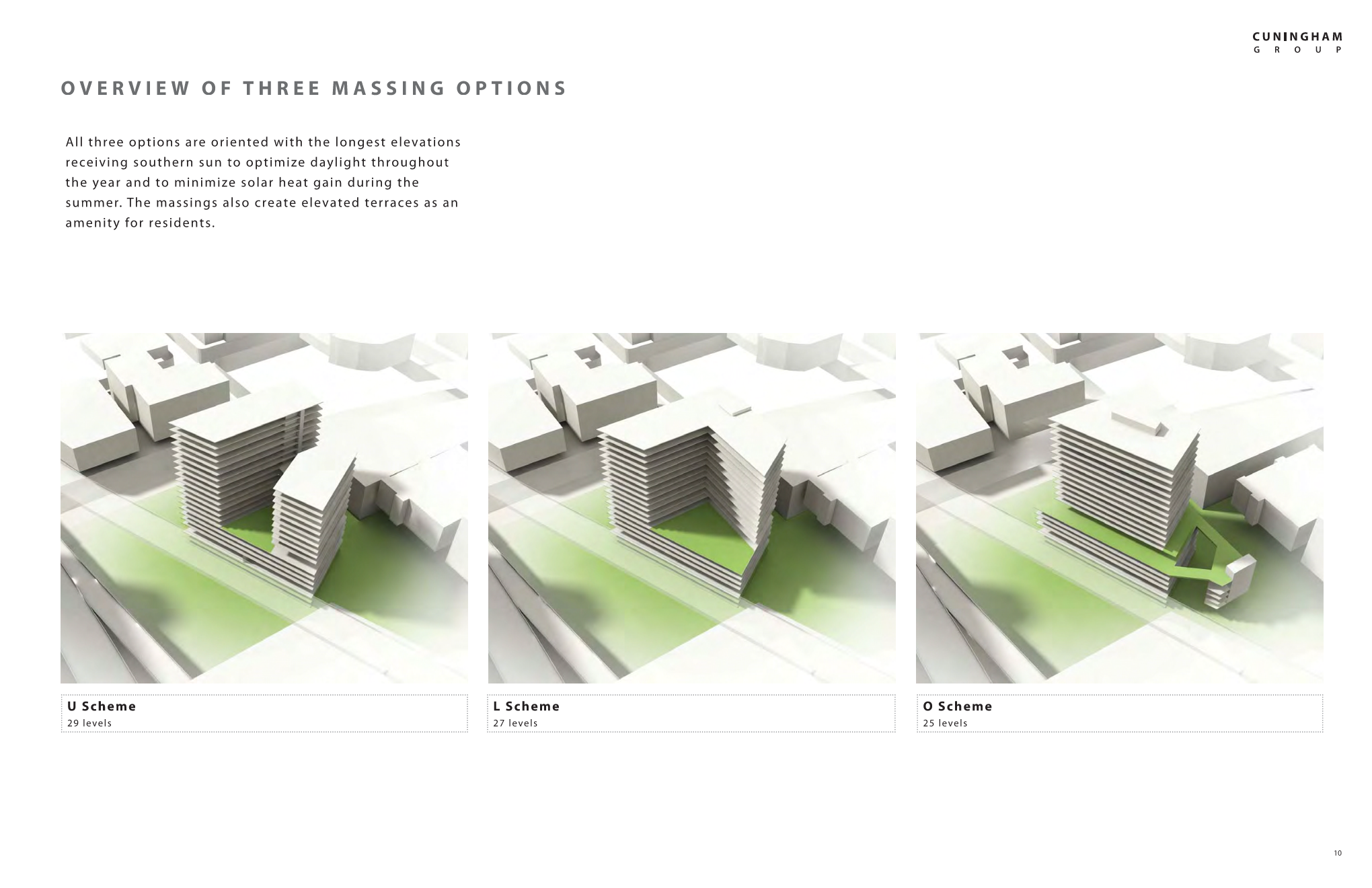
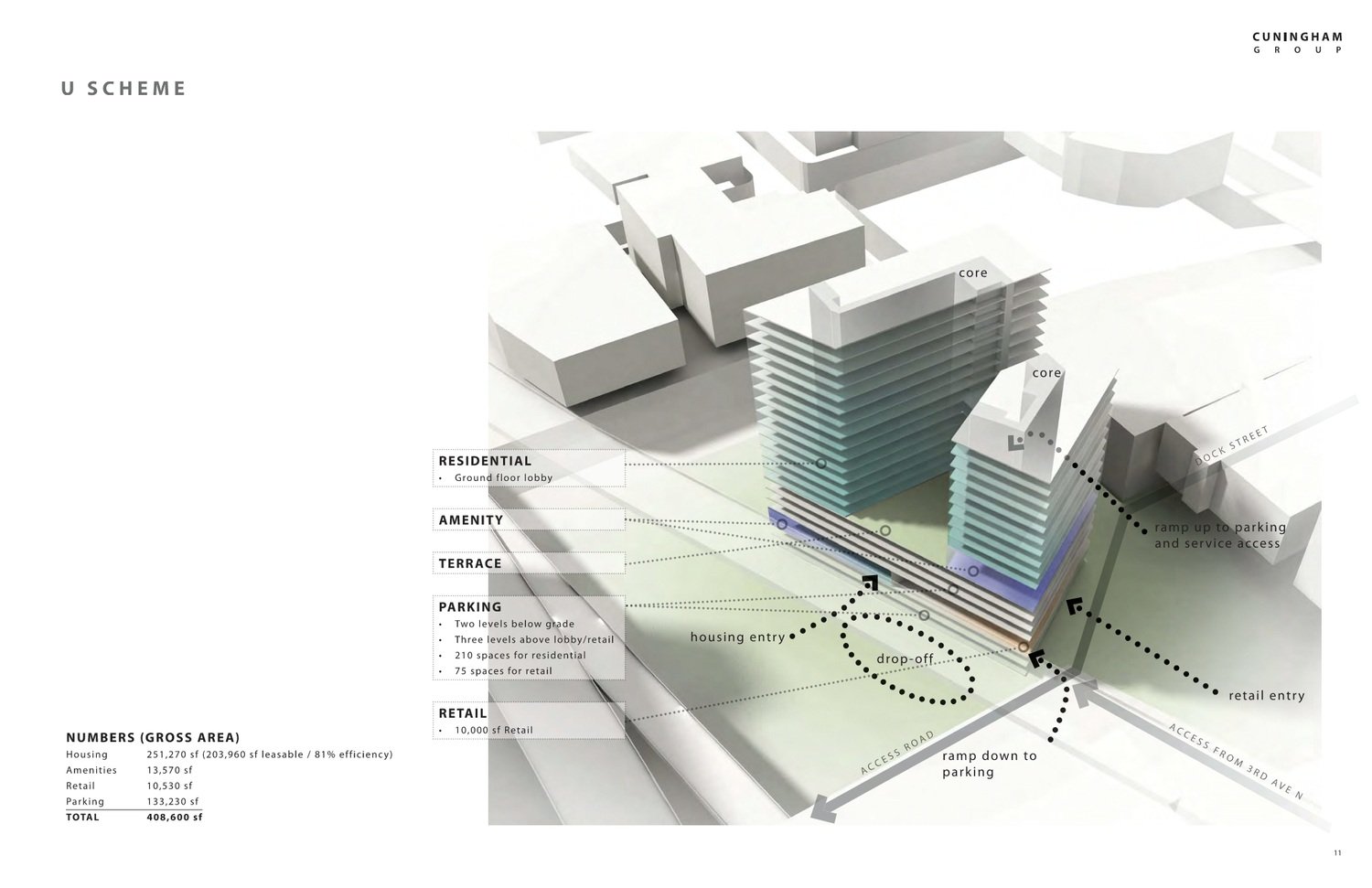
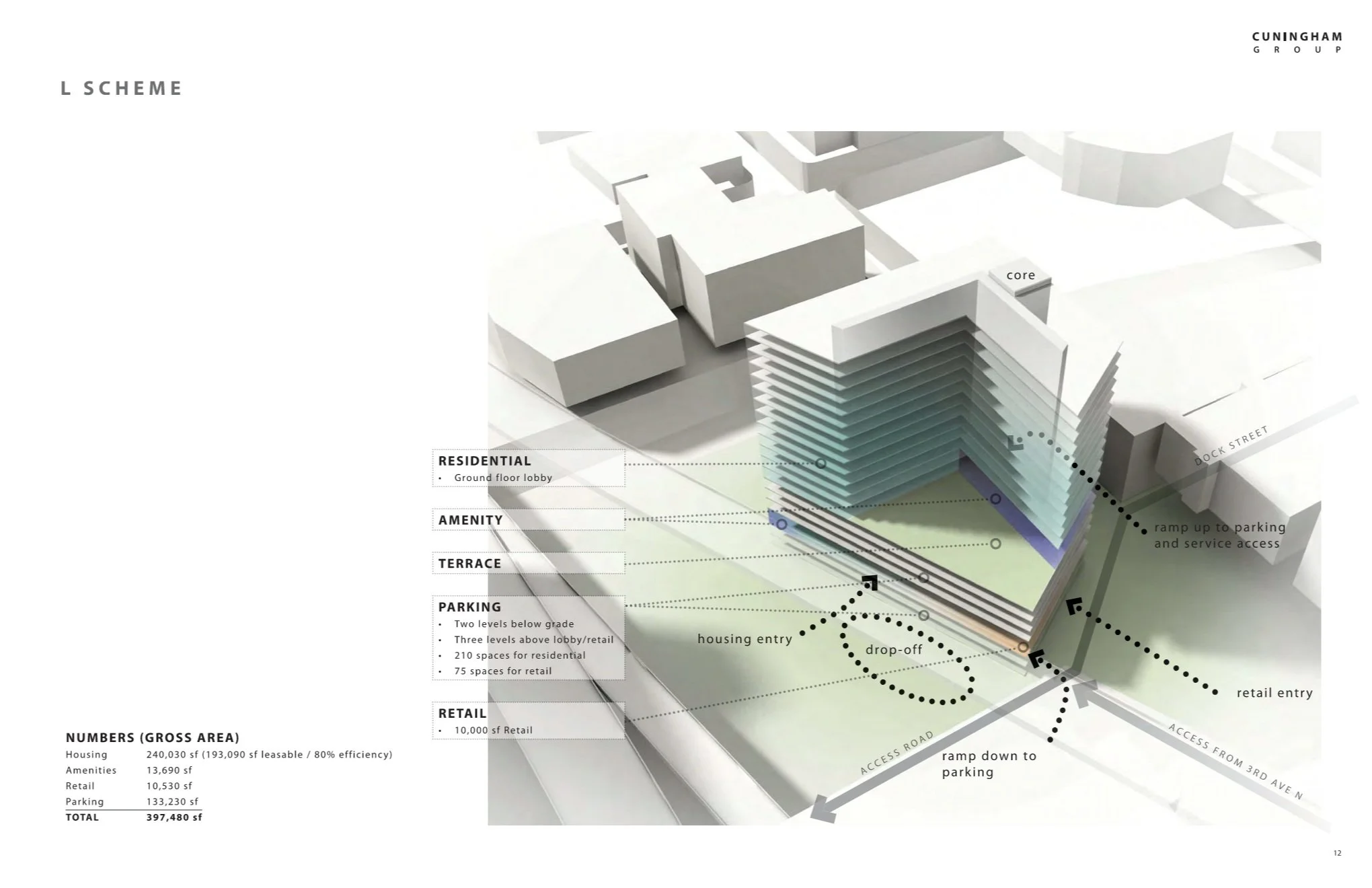
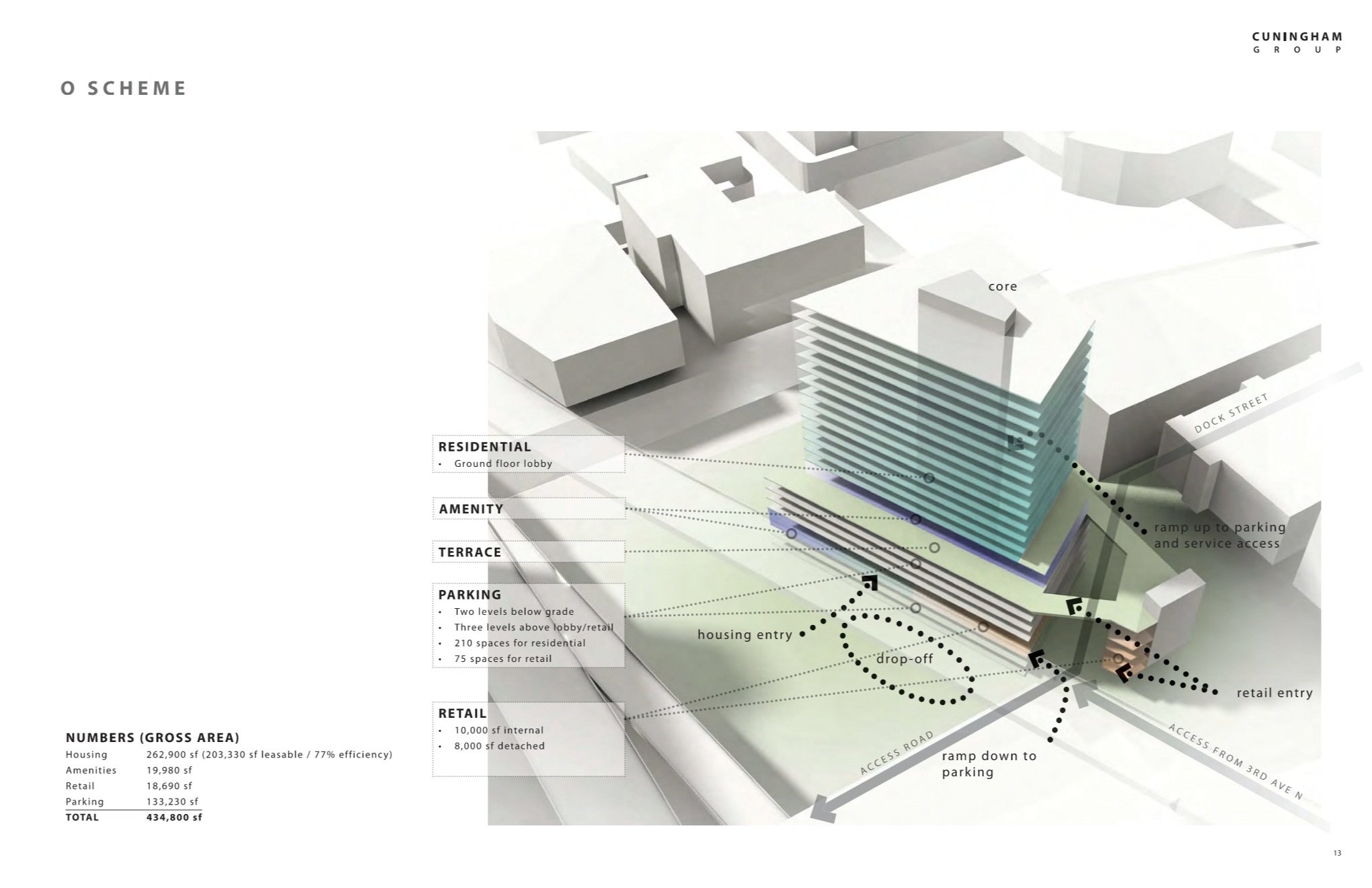
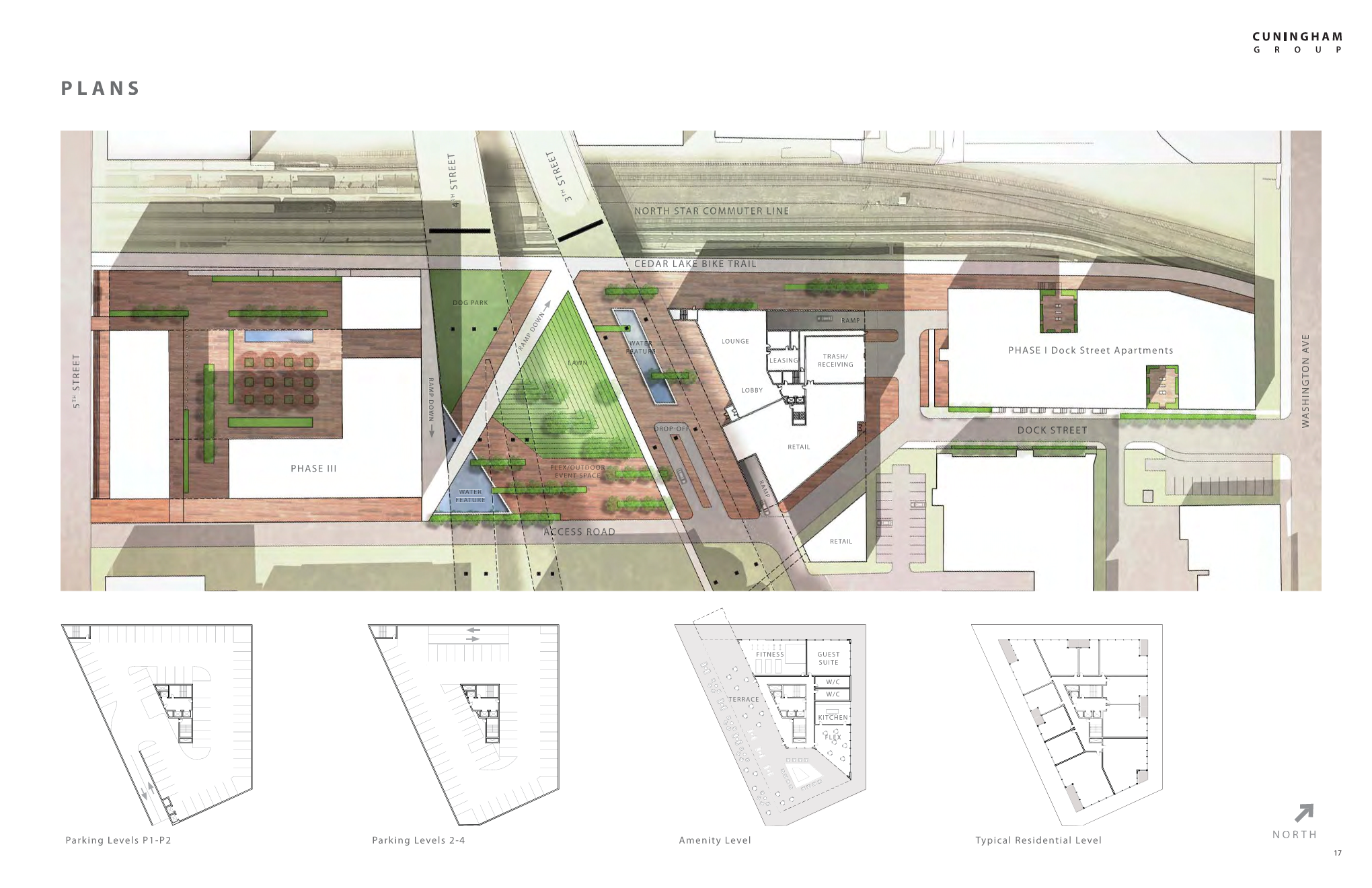
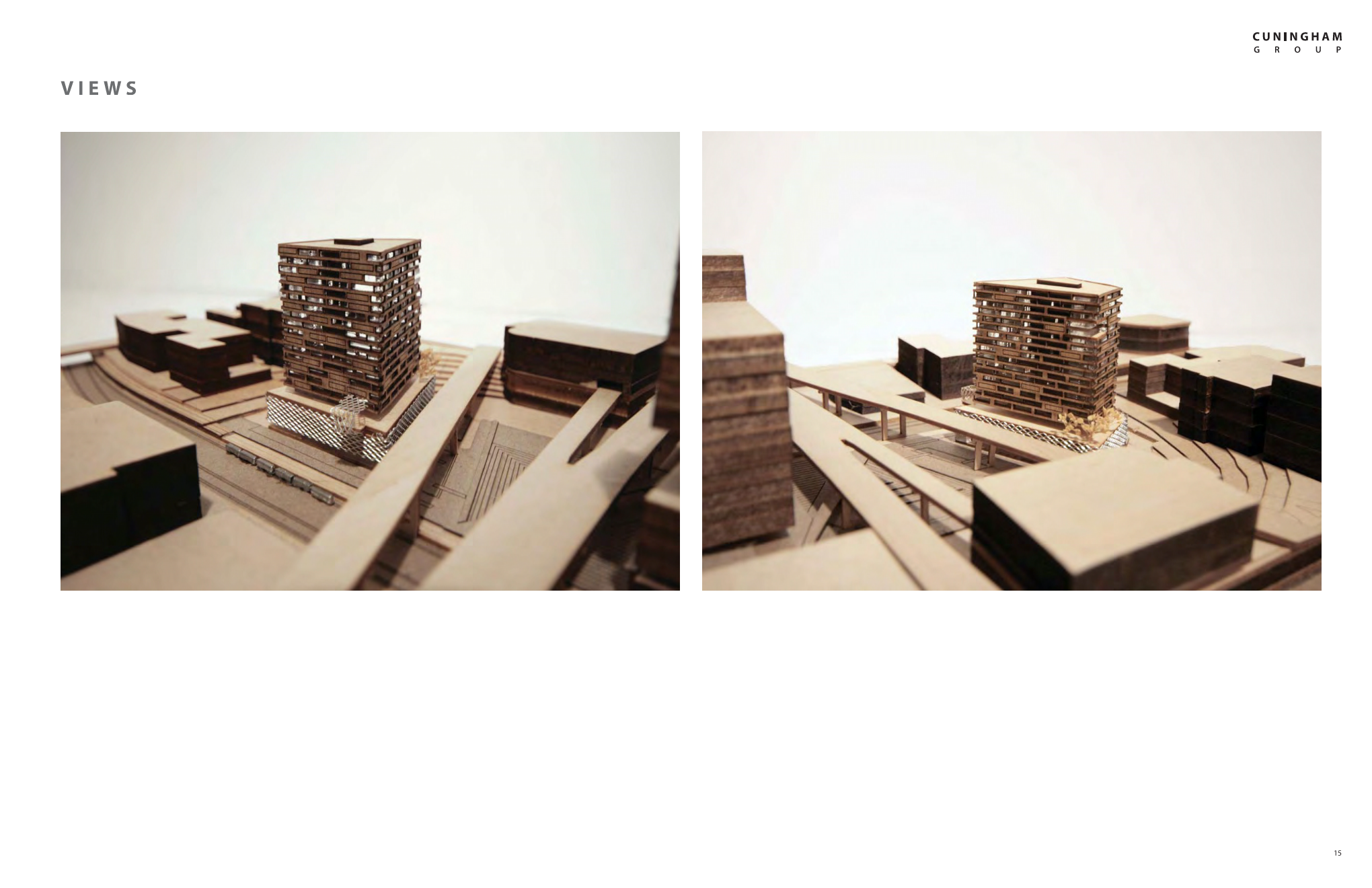
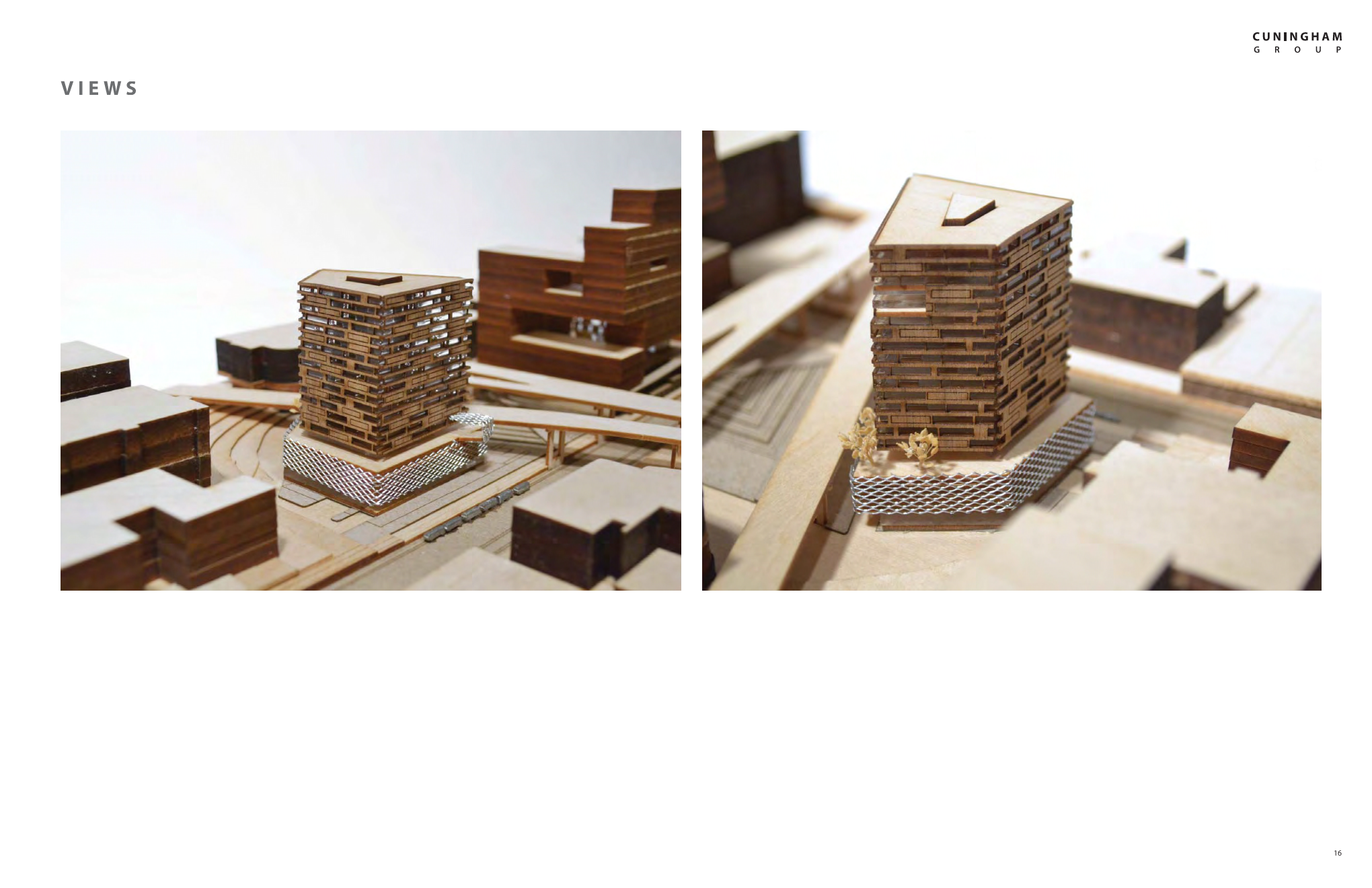
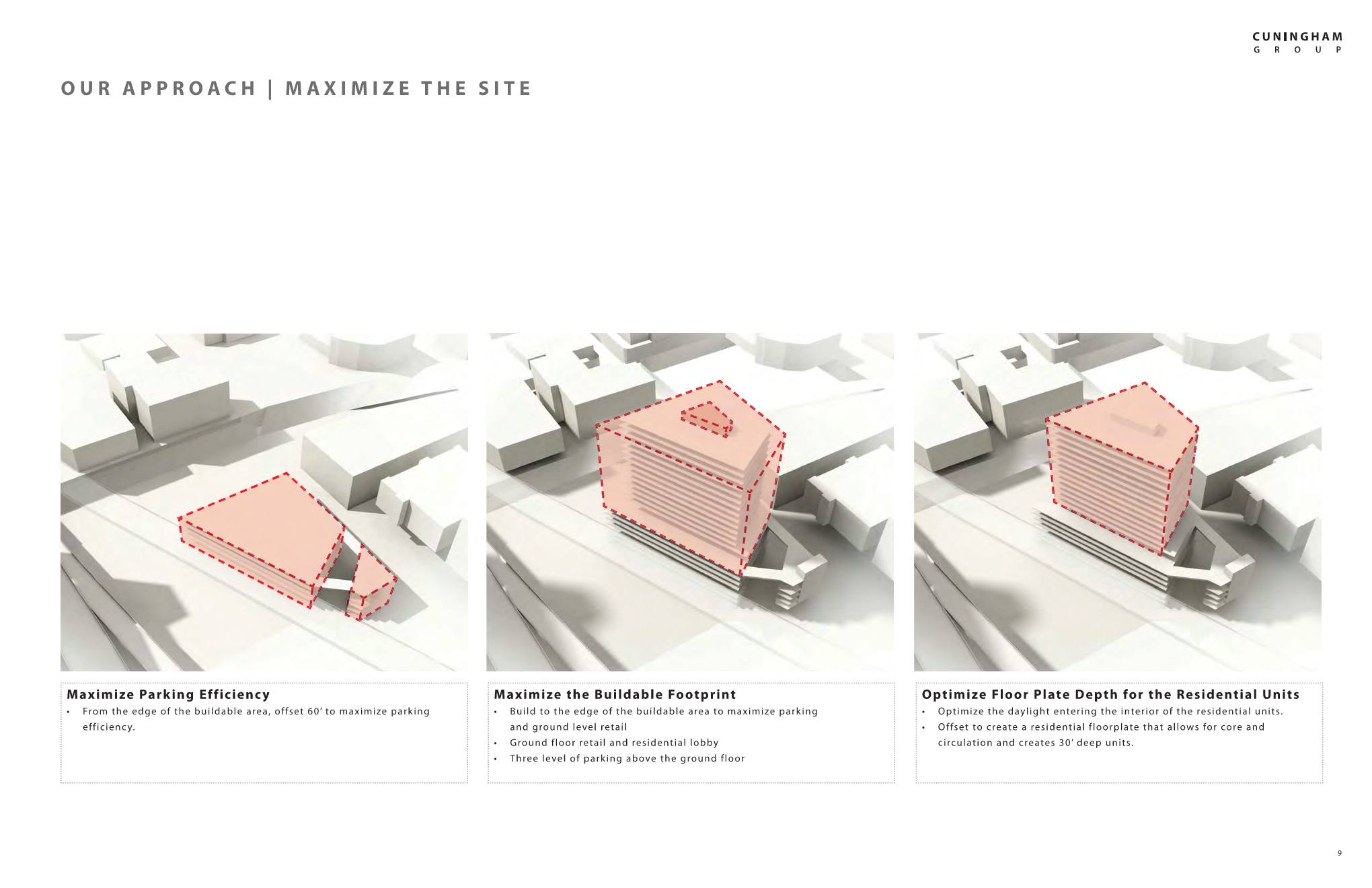
The trapezoidal site presented a series of unique planning challenges that demanded careful analysis and creative problem-solving. Multiple development scenarios were explored to understand how the site could best accommodate residential density, structured parking, shared amenities, and open space while responding to surrounding streets and adjacent development.
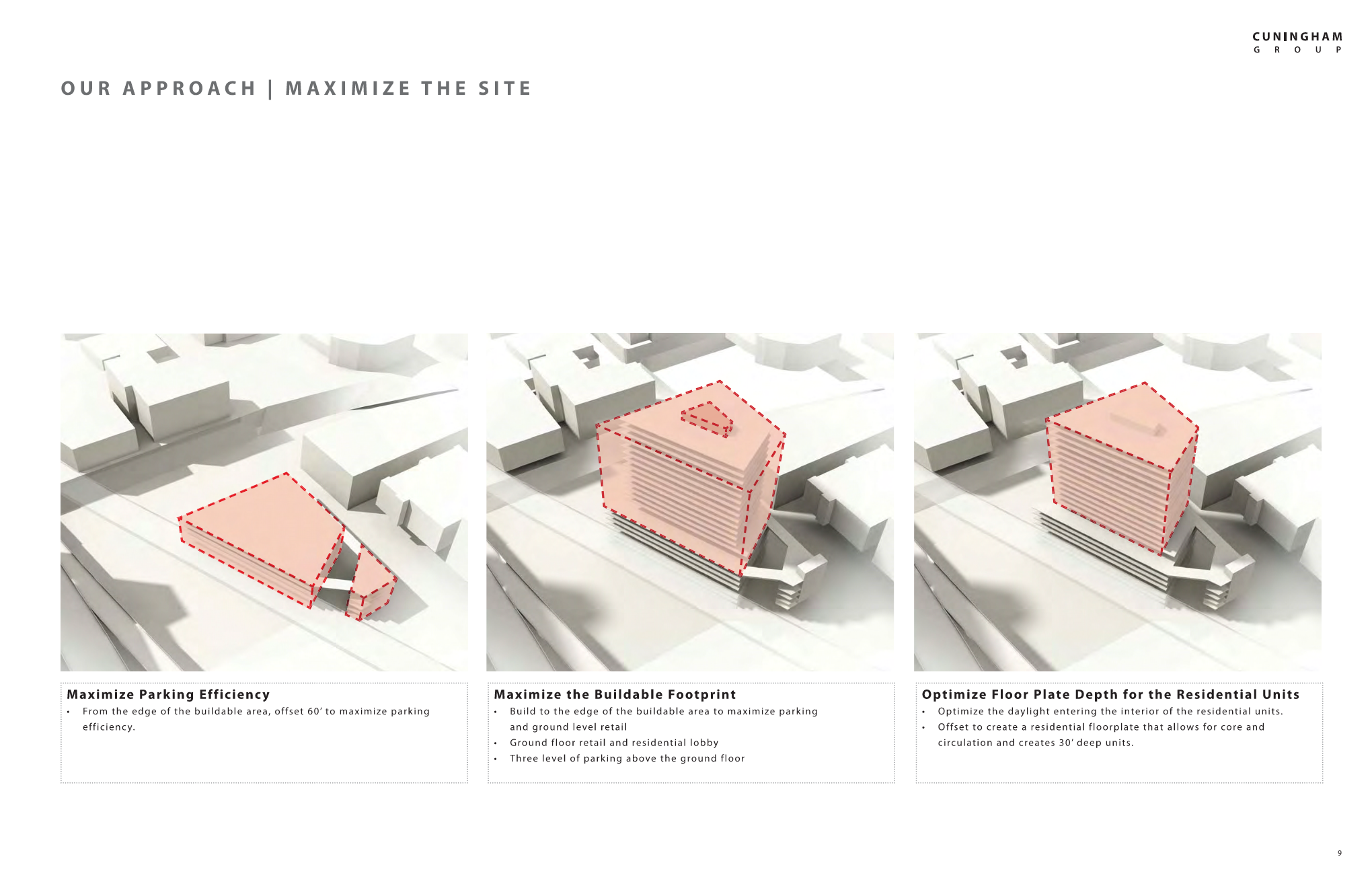
Alternative massing studies evaluated different podium and tower configurations, balancing development potential with access to daylight, views, and outdoor amenity spaces. These studies established a flexible framework that maximized the value of the site while maintaining a comfortable urban scale.
The resulting design demonstrates how careful planning can transform constrained sites into successful places for living and community.
Reconnecting the City
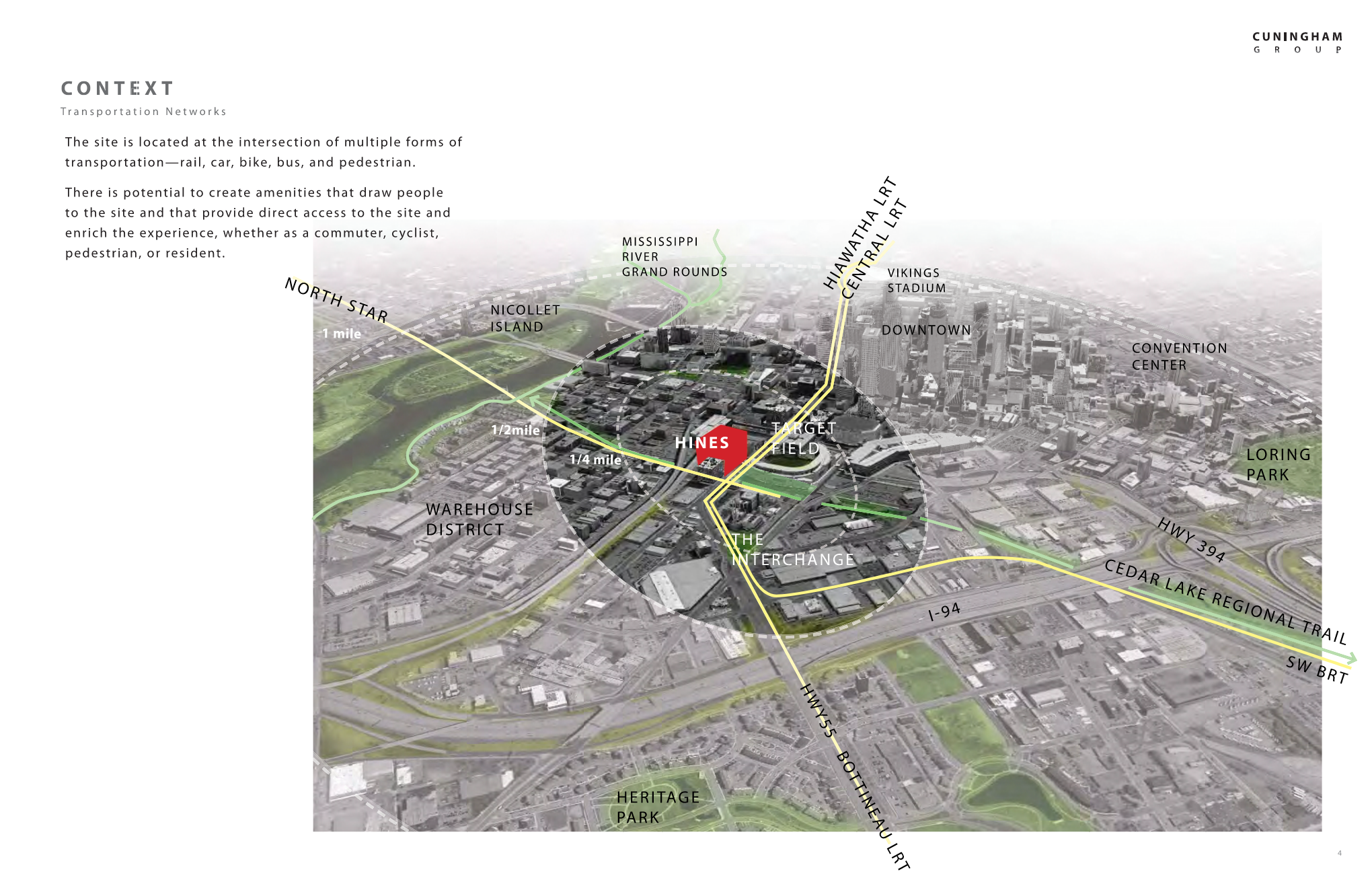
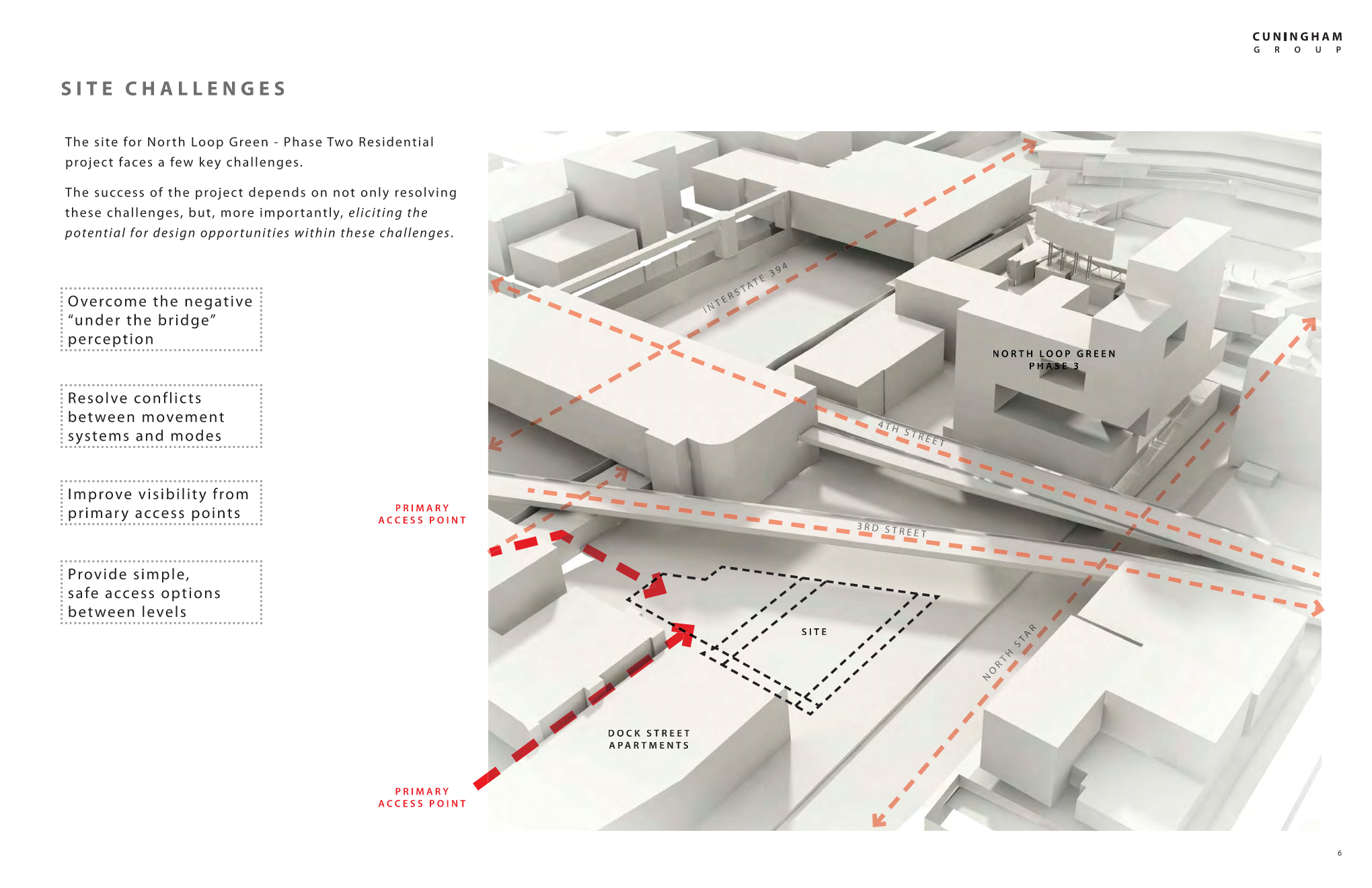
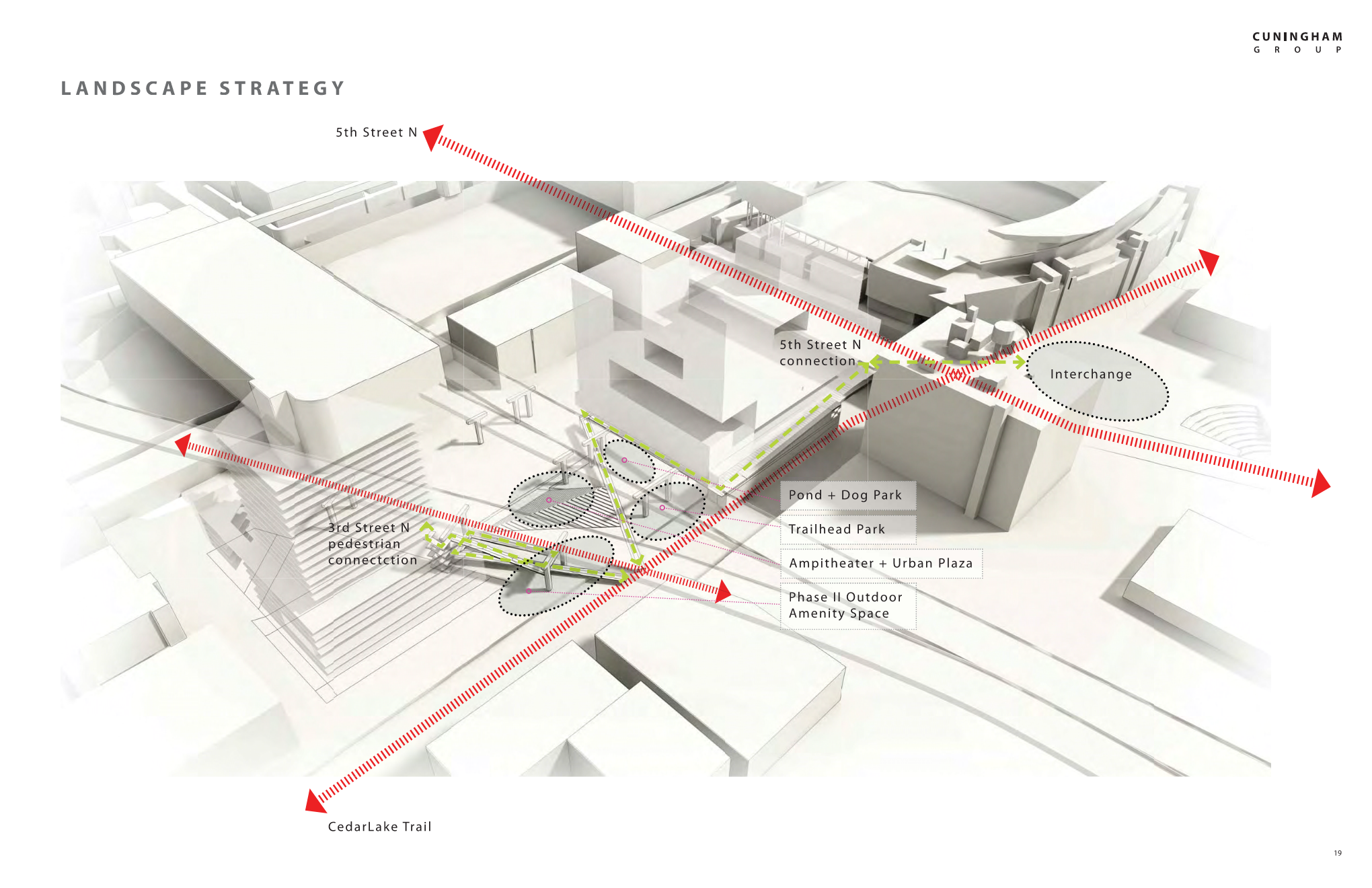
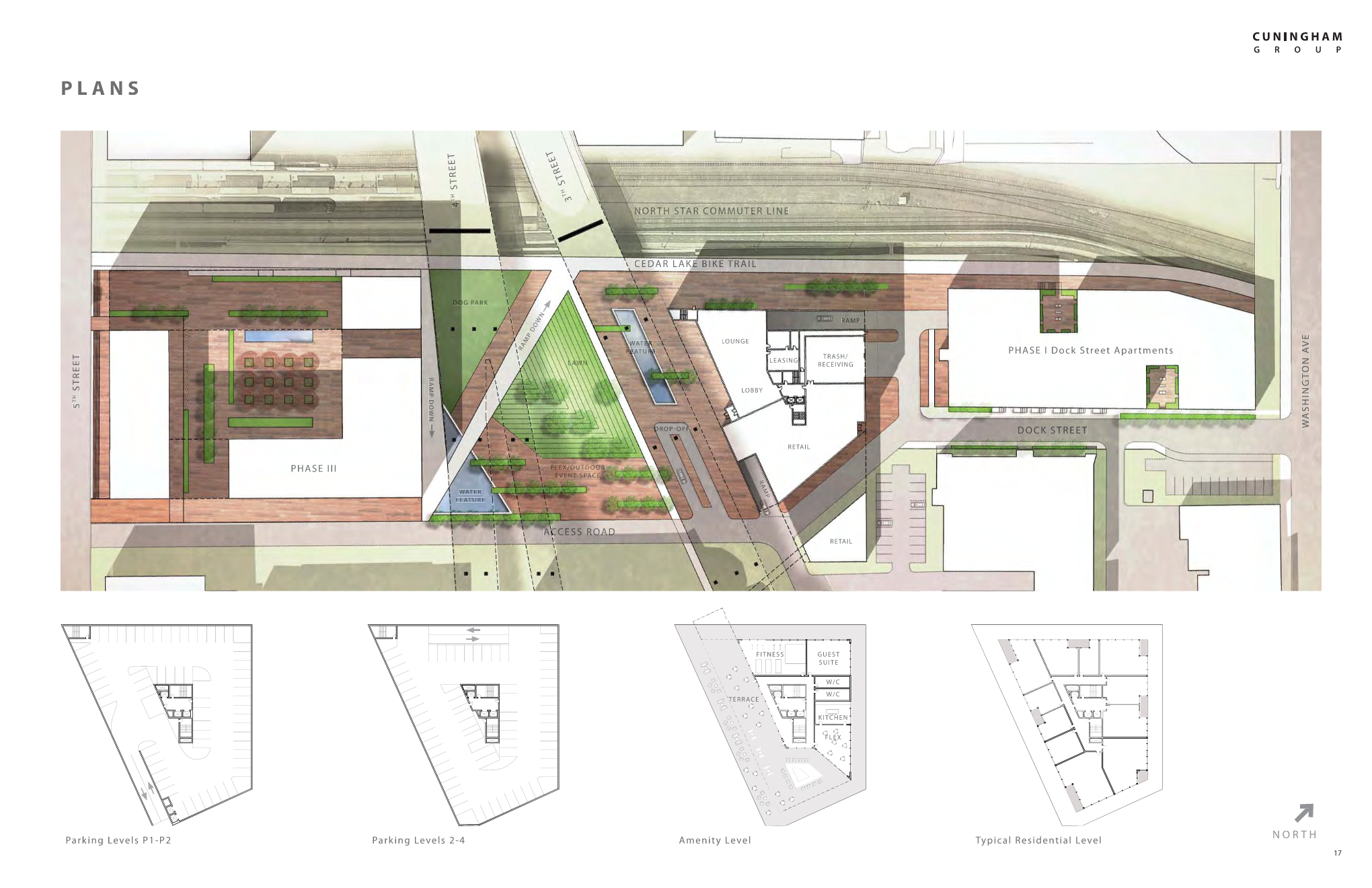
One of the project's primary objectives was to overcome the psychological and physical barriers created by the adjacent elevated highway. Rather than allowing the site to feel isolated beneath surrounding infrastructure, the design focuses on creating welcoming public spaces, intuitive circulation, and safe connections between varying site elevations.
Pedestrian movement, vehicular access, bicycle circulation, and service functions were carefully coordinated to reduce conflicts while creating a more seamless experience throughout the development. These interventions transform what could have been a disconnected site into an active extension of the surrounding neighborhood.
The project demonstrates that infrastructure does not have to divide communities when thoughtful urban design places people first.
Inspired by Industrial Heritage
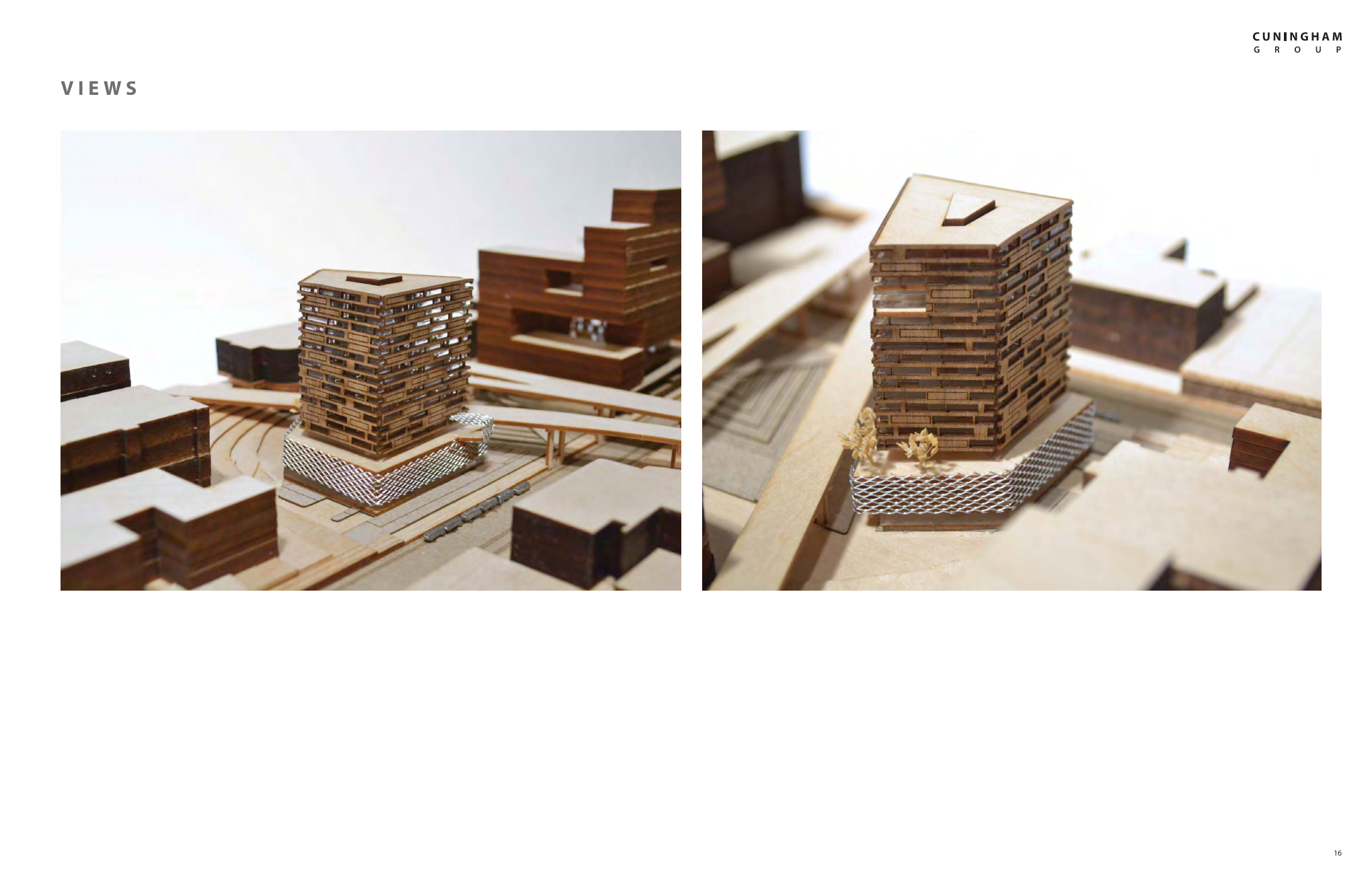
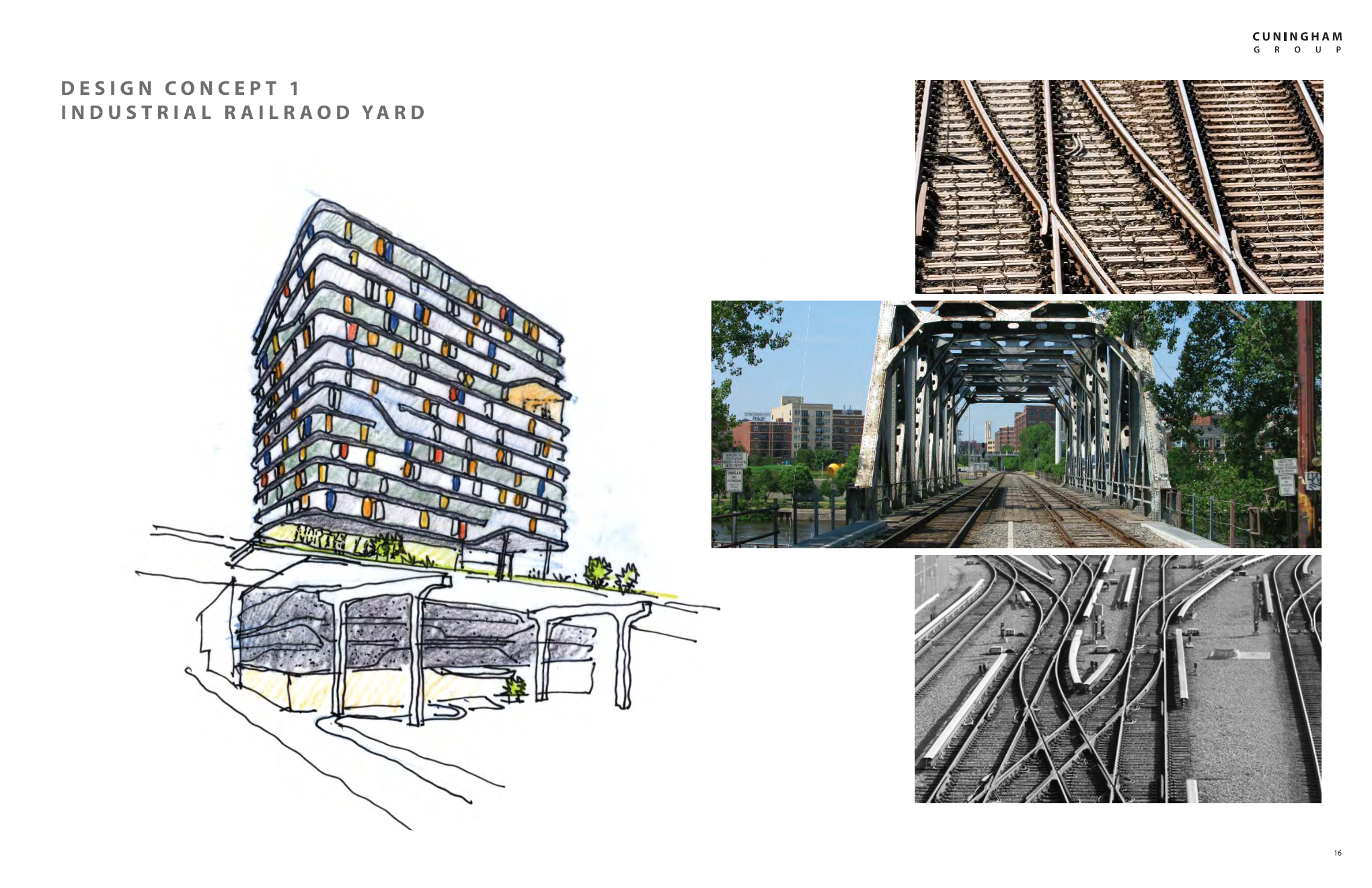
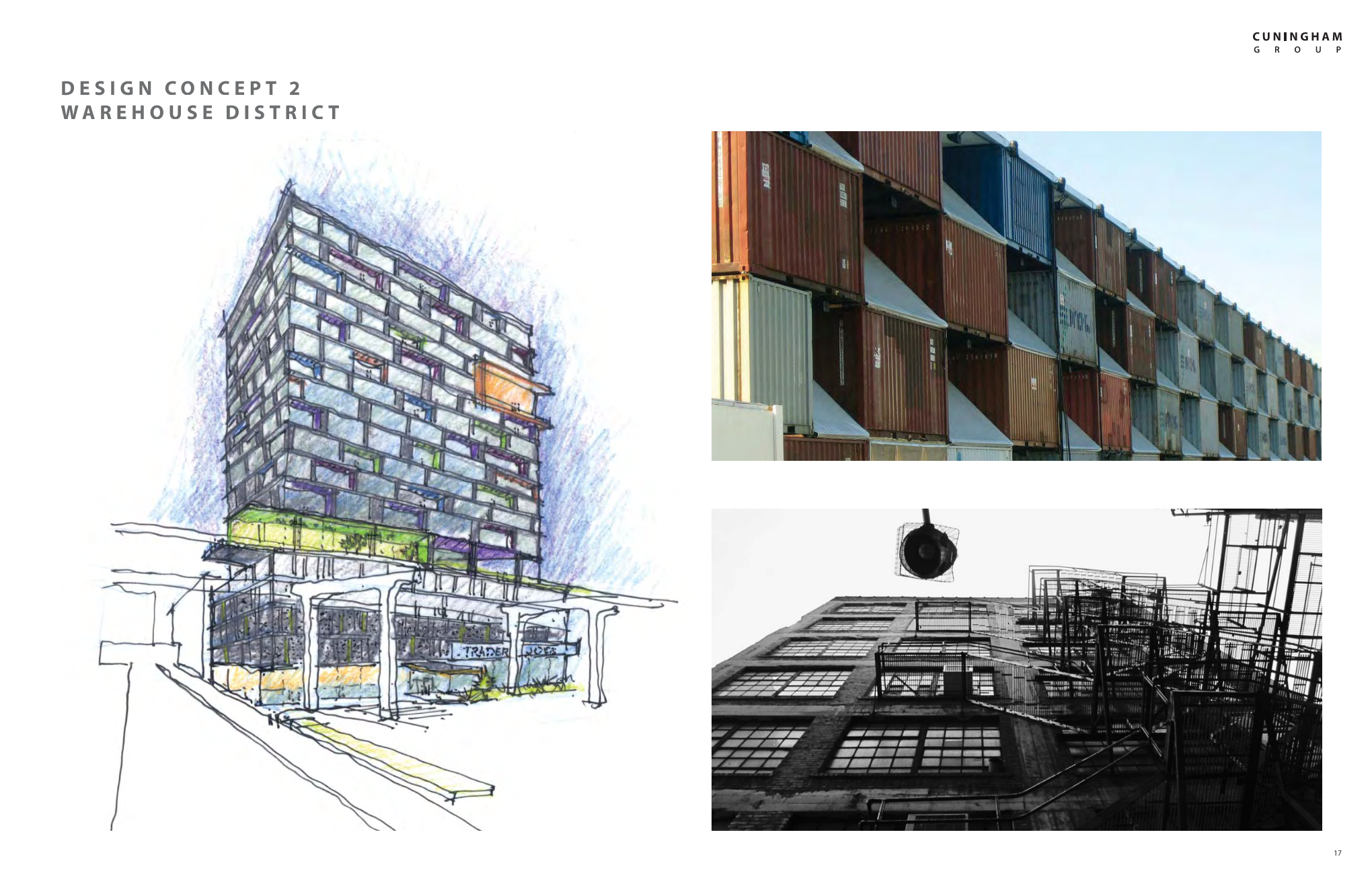
The architectural language reflects the enduring character of the North Loop without resorting to imitation. Building forms, materials, and massing draw inspiration from the district's historic warehouses and rail infrastructure, creating a contemporary interpretation of the neighborhood's industrial past.
This approach establishes continuity with the surrounding urban fabric while allowing the development to express its own identity as a modern residential destination.
By respecting the history of the district, the project contributes to its ongoing evolution rather than competing with its architectural legacy.
Sustainability at an Urban Scale
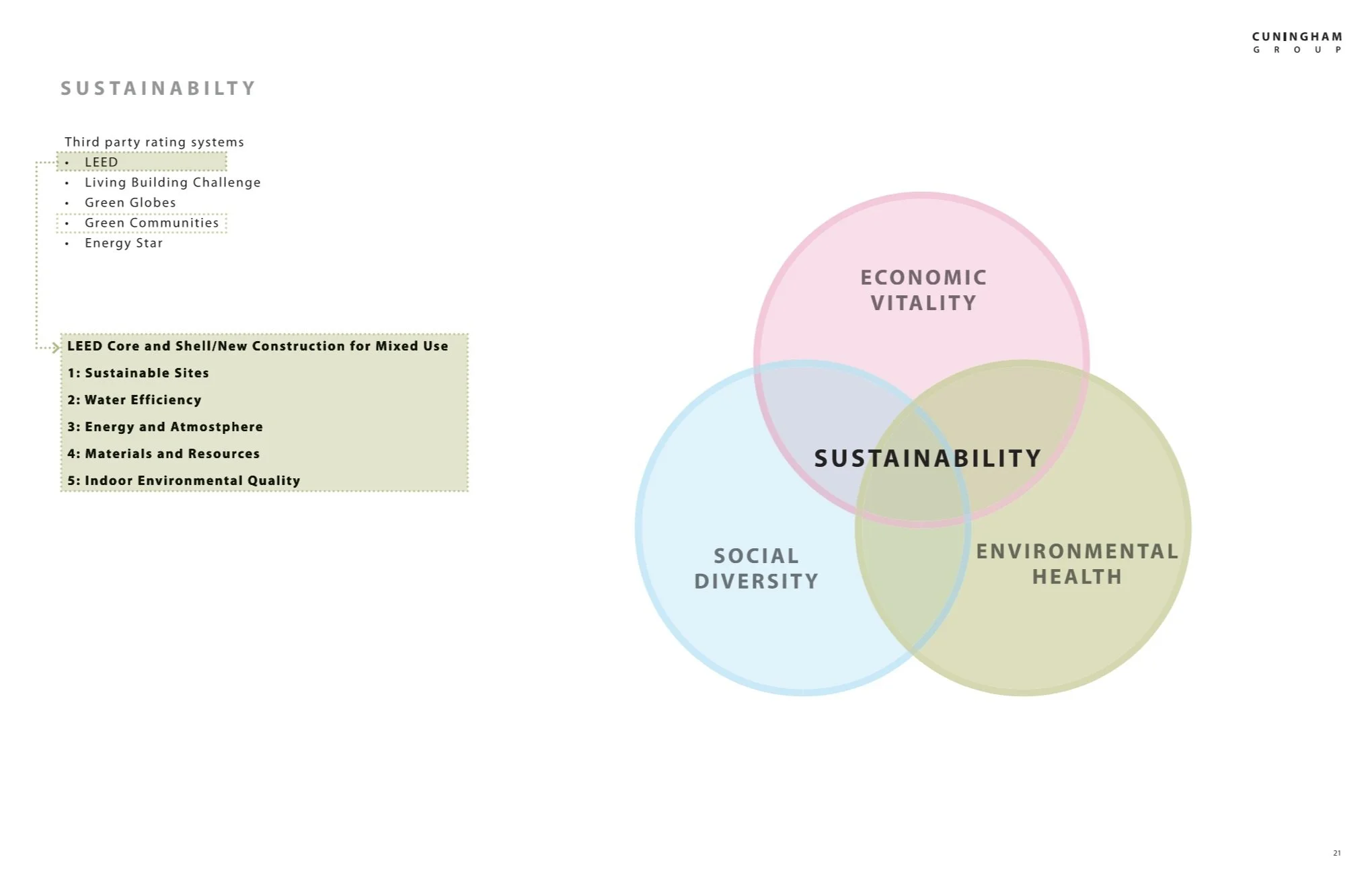
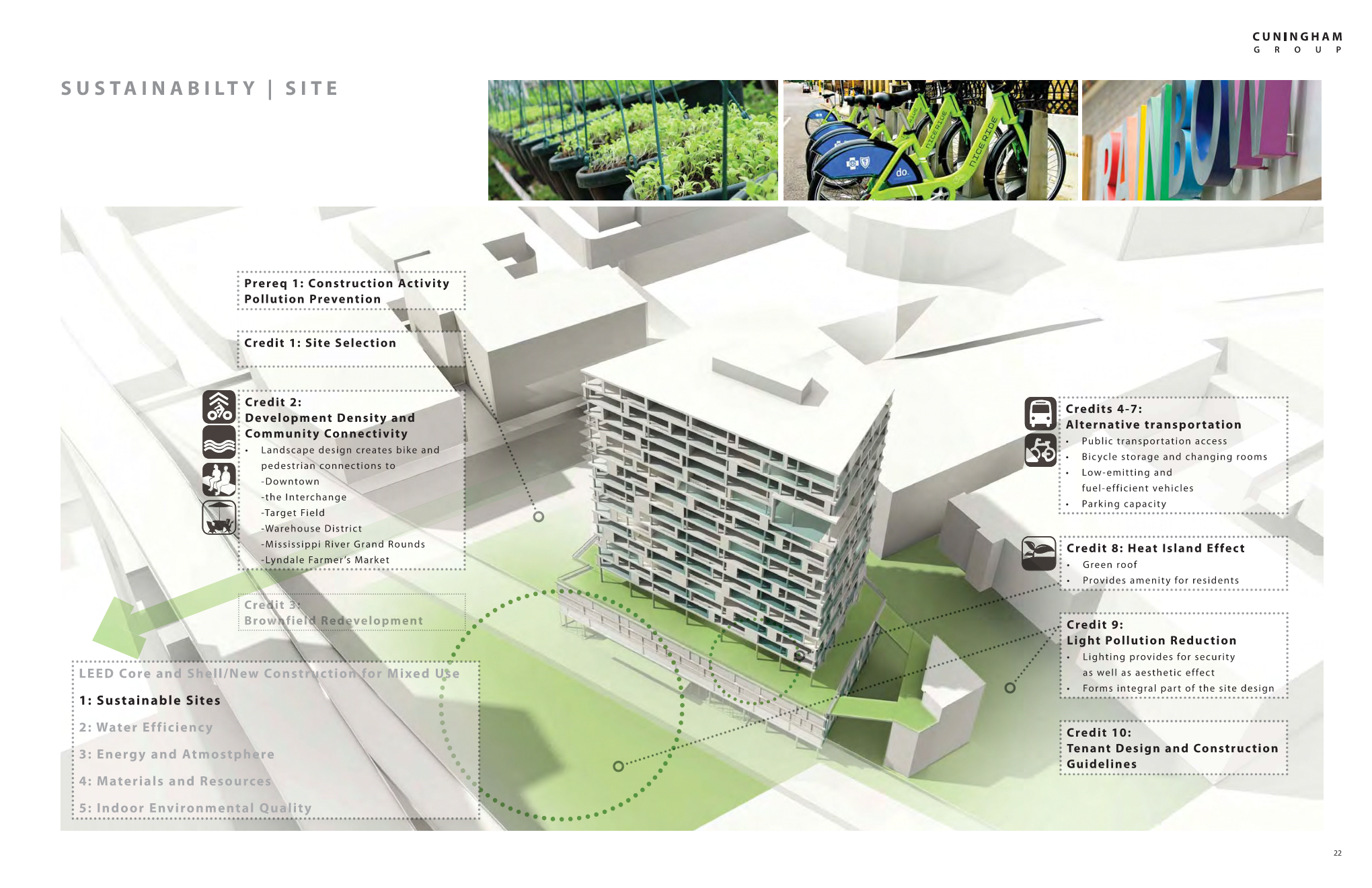
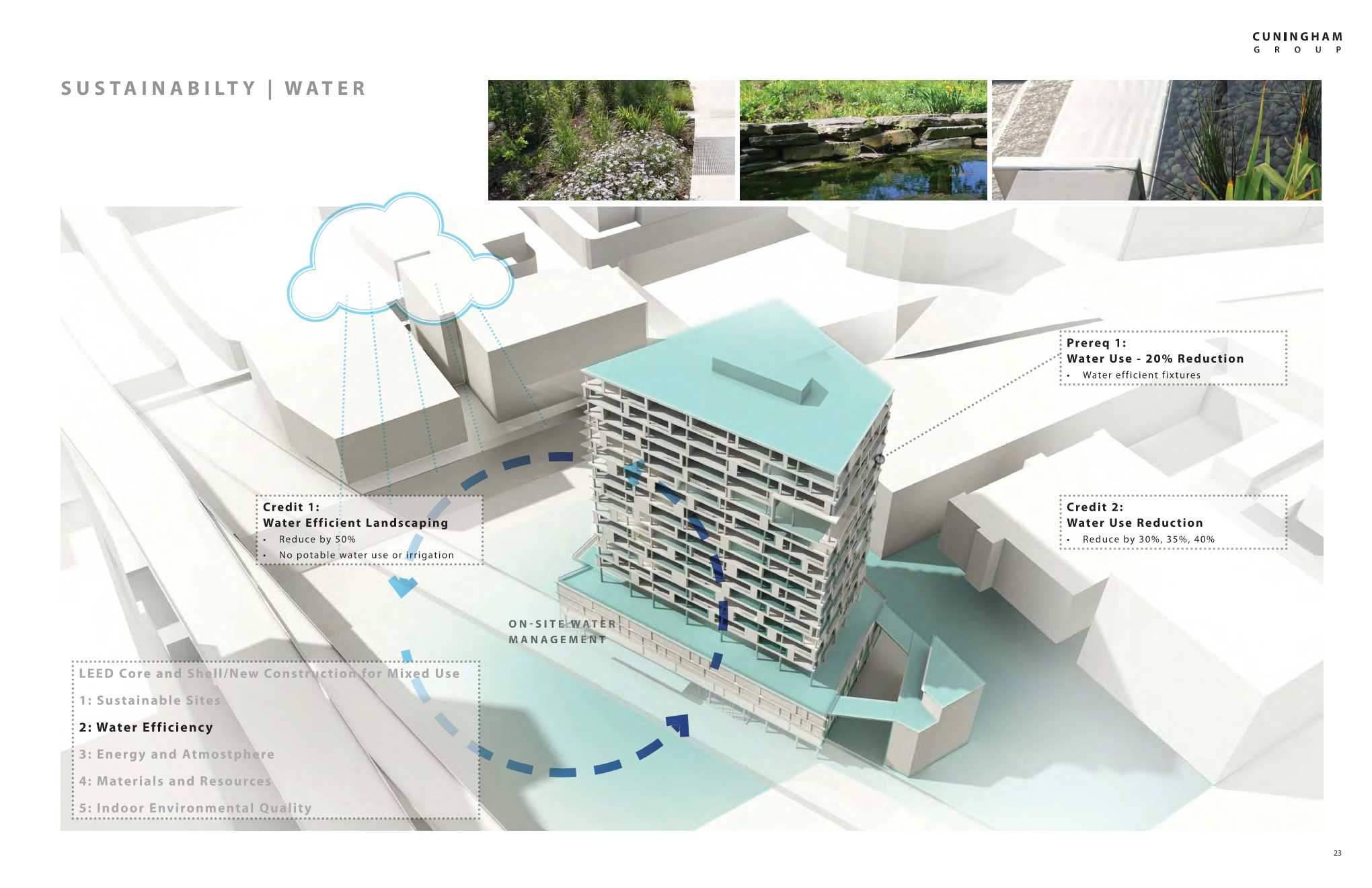
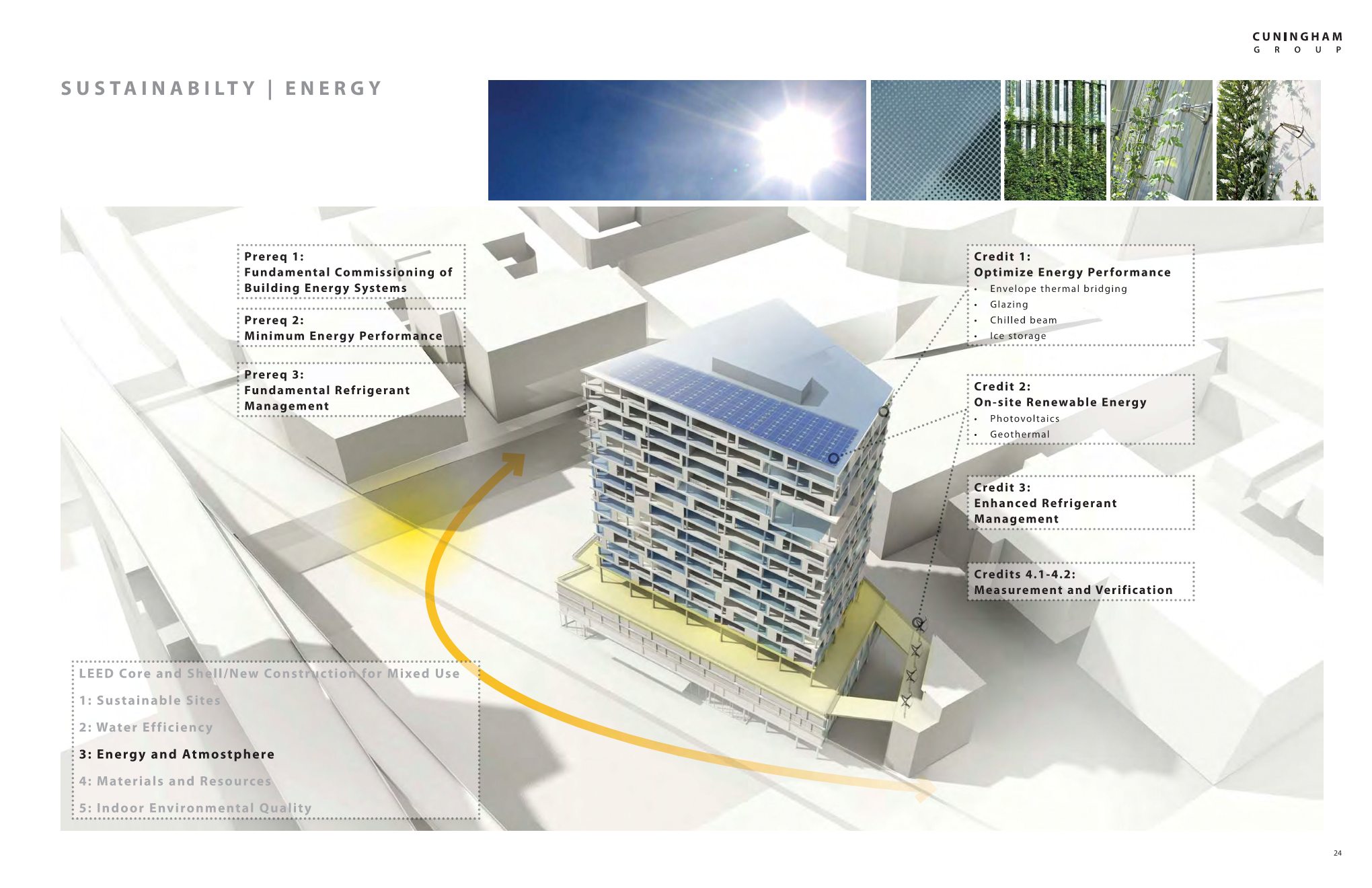
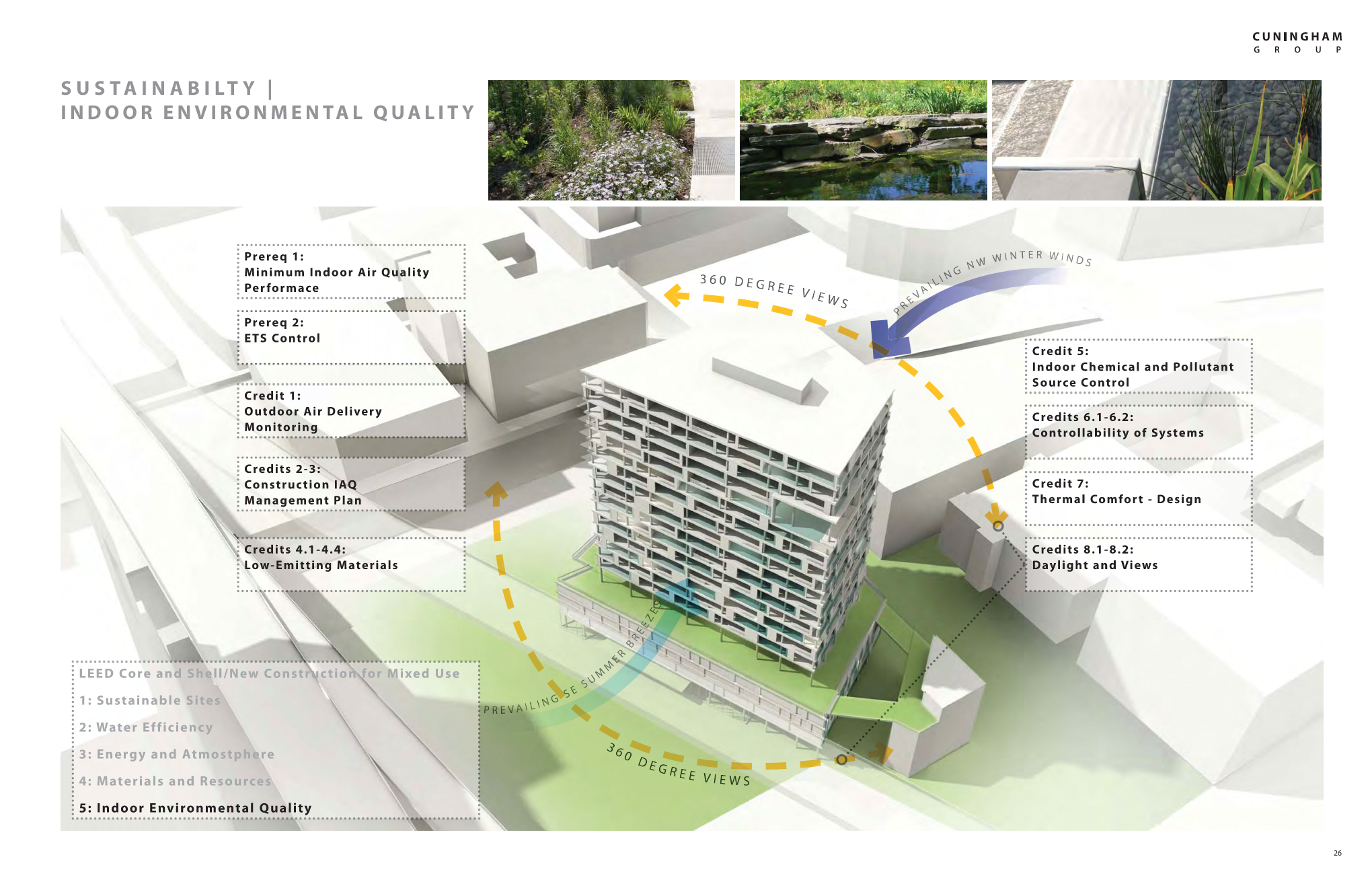
Environmental performance informed the project from its earliest planning stages. Site orientation, water management, energy performance, material selection, and indoor environmental quality were evaluated as integrated components of the design process rather than isolated sustainability measures.
These strategies seek to reduce environmental impact while creating healthier living environments and more resilient urban development. Sustainability is expressed not only through building performance but also through the efficient use of an underutilized site within an established, walkable neighborhood.
Building the Next Chapter of the North Loop
North Loop Green demonstrates how thoughtful planning can unlock the potential of even the most challenging urban sites. By transforming a fragmented piece of infrastructure into a connected residential community, the project strengthens the relationship between architecture, mobility, and public life.
The result is a development that respects the industrial heritage of Minneapolis while creating new opportunities for housing, walkability, and sustainable urban growth.
Planning Principles
Transform Challenging Sites – View complex urban conditions as opportunities for innovation rather than constraints.
Reconnect the City – Prioritize safe, intuitive connections between people, streets, and surrounding neighborhoods.
Urban Density with Purpose – Maximize development potential while preserving daylight, views, and quality public spaces.
Honor Industrial Heritage – Draw inspiration from the history and character of the surrounding district through contemporary design.
Integrated Mobility – Coordinate pedestrian, bicycle, vehicular, and service circulation to create seamless urban experiences.
Sustainable Urban Living – Integrate environmental performance into site planning, building design, and community development.
Catalyst for Growth – Create developments that strengthen neighborhoods while supporting the long-term evolution of the city.
PROJECT INFORMATION
LOCATION
SIZE
STATUS
PROJECT SCOPE
Minneapolis, MN
GSF
Concept Design
NEW CONSTRUCTION
ADDITIONAL IMAGES