SARTELL HIGH SCHOOL
Creating a Learning Community Where Connecgtion, Flexibility, and Student Wellbeing Come First
Education is no longer confined to the classroom. At Clow Berg, we believe schools should be vibrant communities where learning happens everywhere—through collaboration, curiosity, creativity, and everyday interaction. The design for Sartell High School embraces this philosophy by creating an environment that strengthens relationships, supports student wellbeing, and adapts to the evolving nature of education.
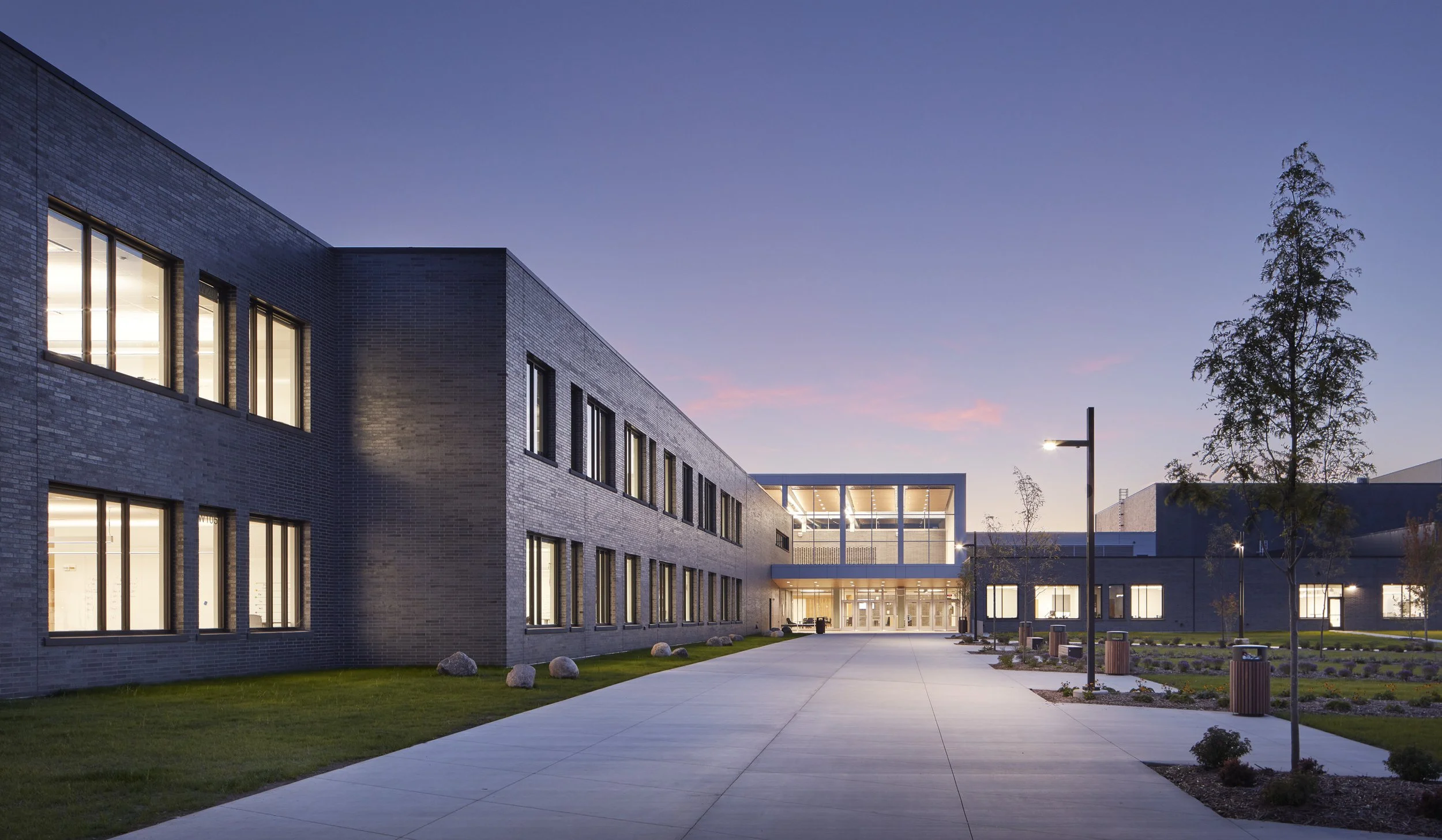
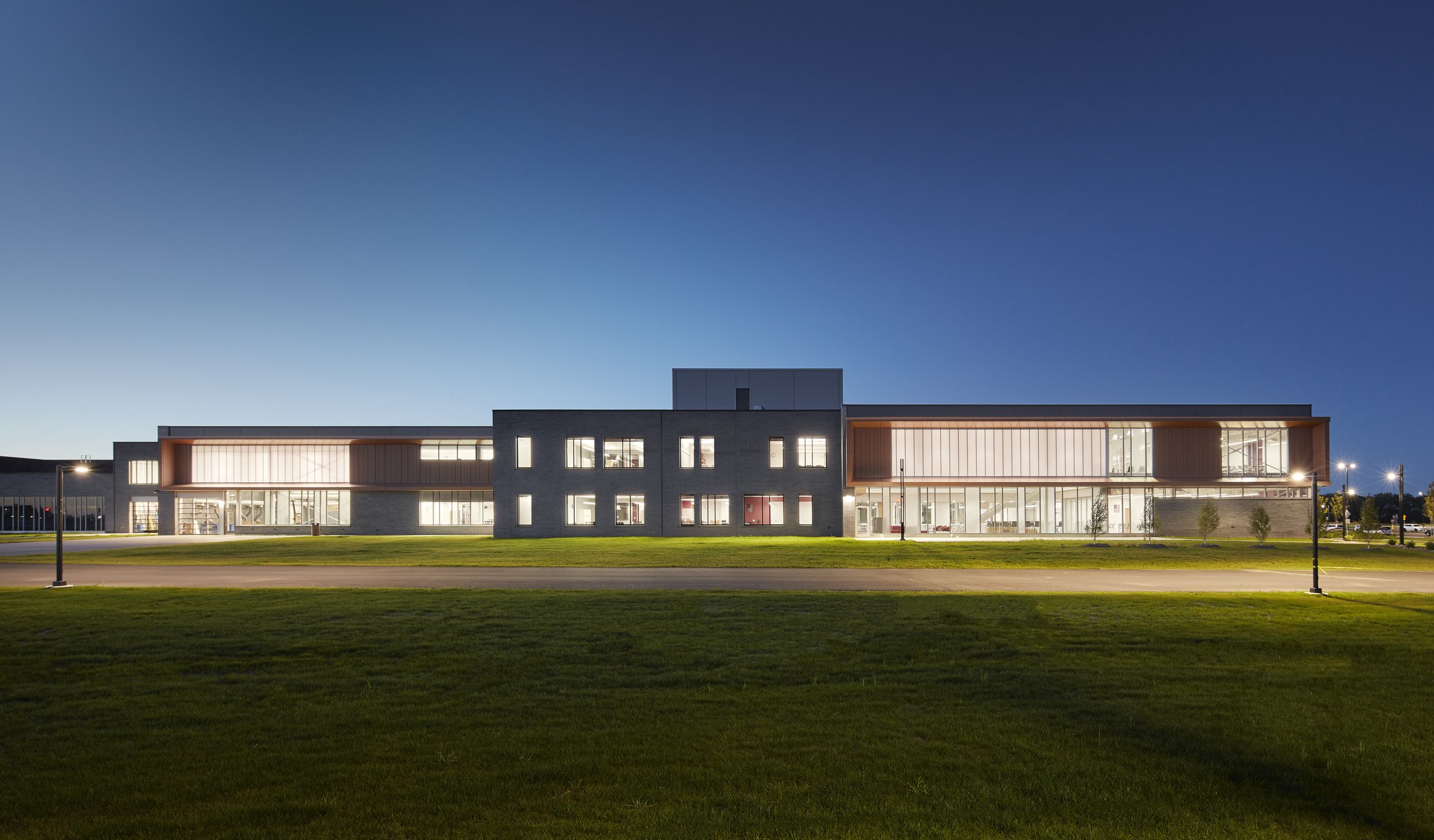
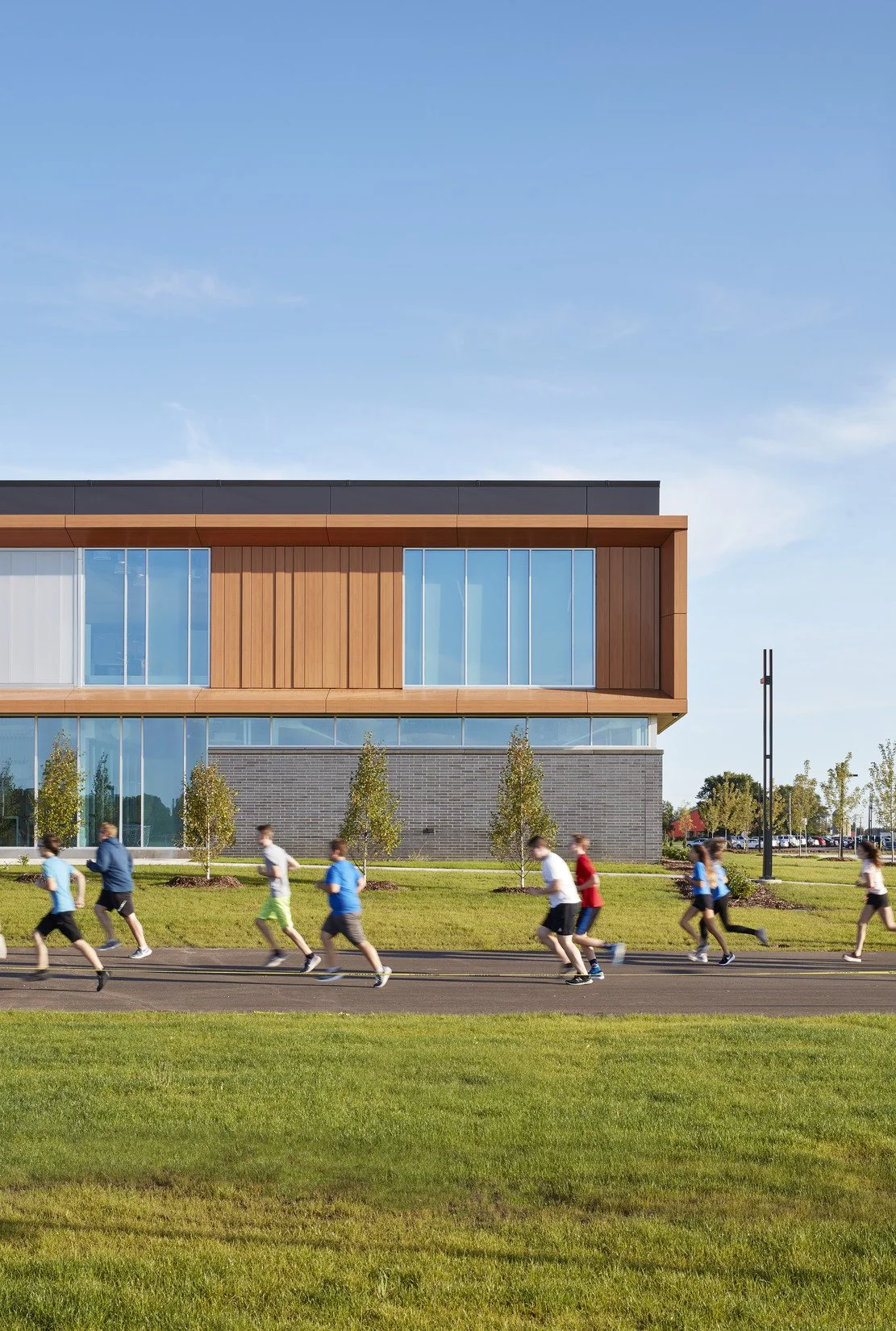
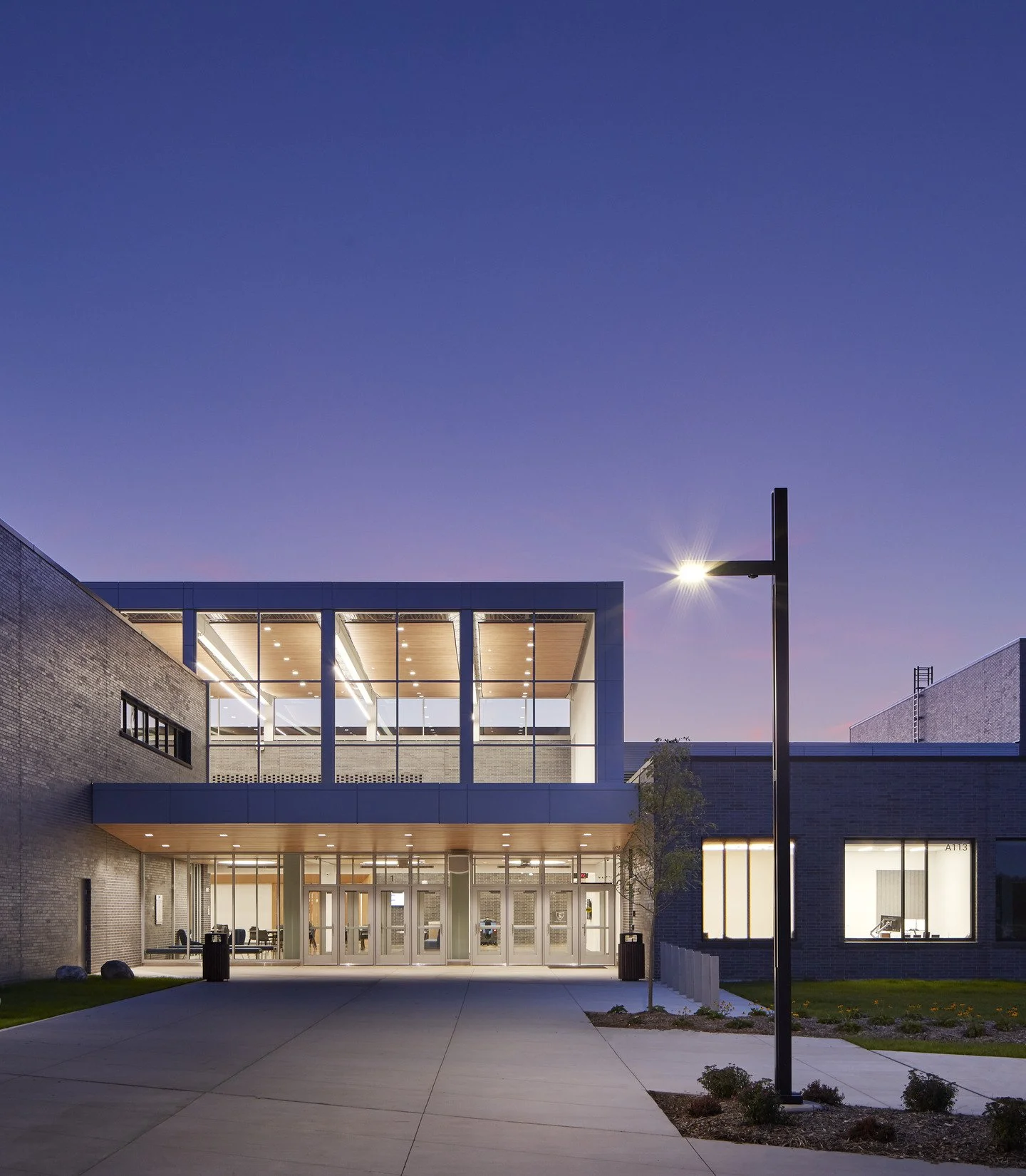
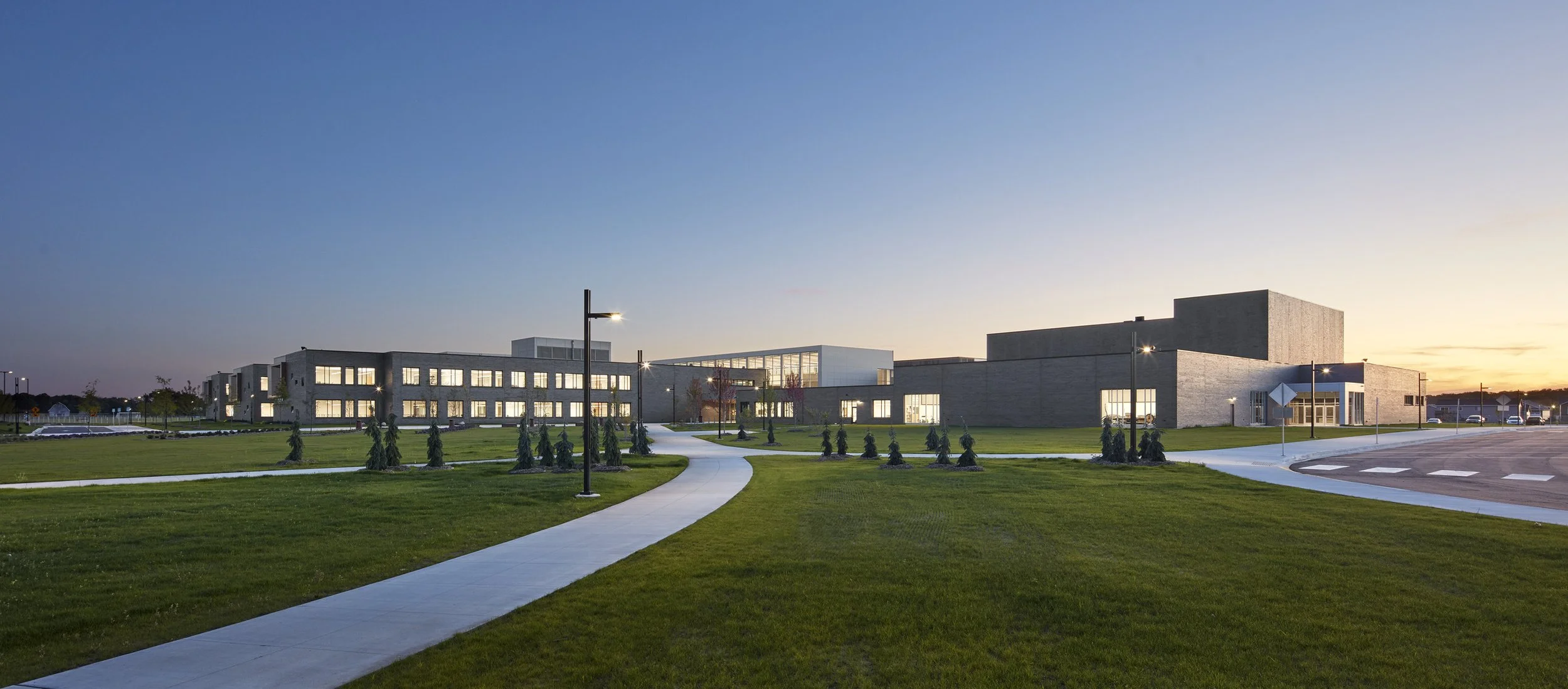
Serving approximately 1,350 students in central Minnesota, Sartell High School reimagines the traditional high school experience by organizing academic, social, and extracurricular life around a dynamic central commons. The result is a campus where every space contributes to learning and every student feels connected to the larger school community.
Listening to Students
The foundation of the design was built through an extensive engagement process with students, educators, administrators, and the broader community. Student leaders consistently expressed a desire for spaces that felt more welcoming, comfortable, and reflective of how they naturally learn and interact.
Rather than designing around classrooms alone, the project was shaped by a simple question: How can the building encourage connection, belonging, and lifelong learning?
The answer became a school organized around community rather than corridors.
The Main Street of Learning
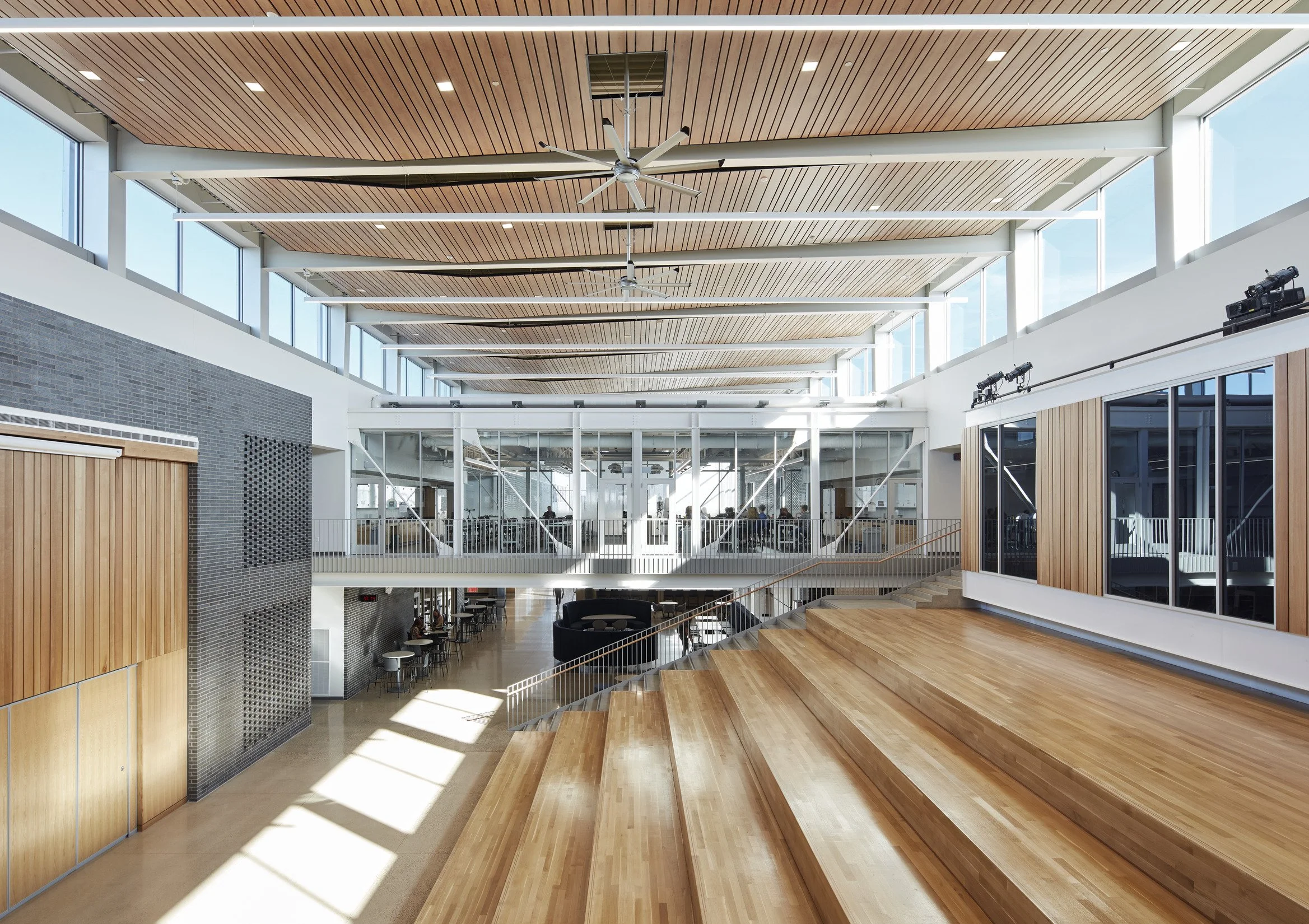
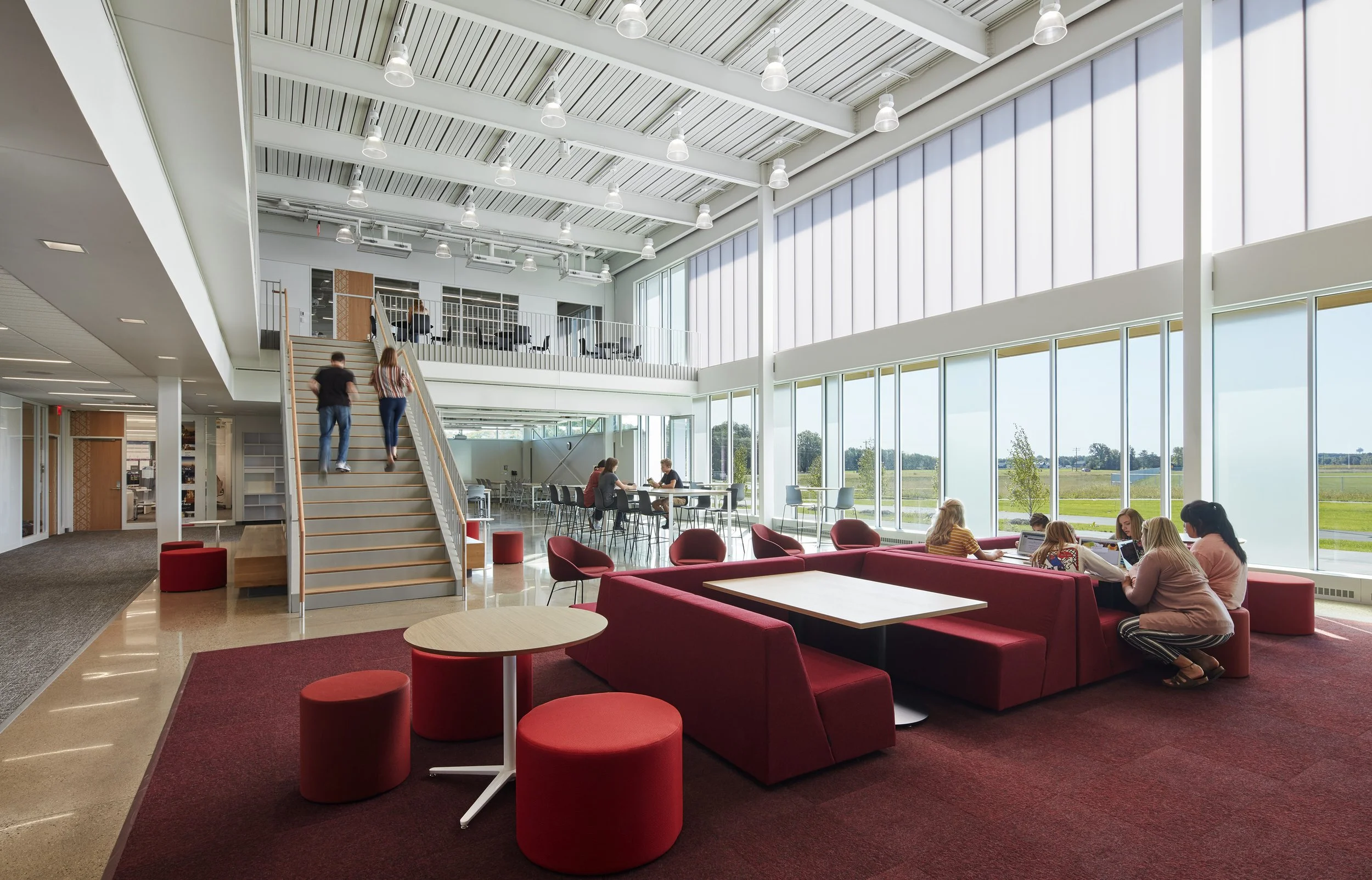
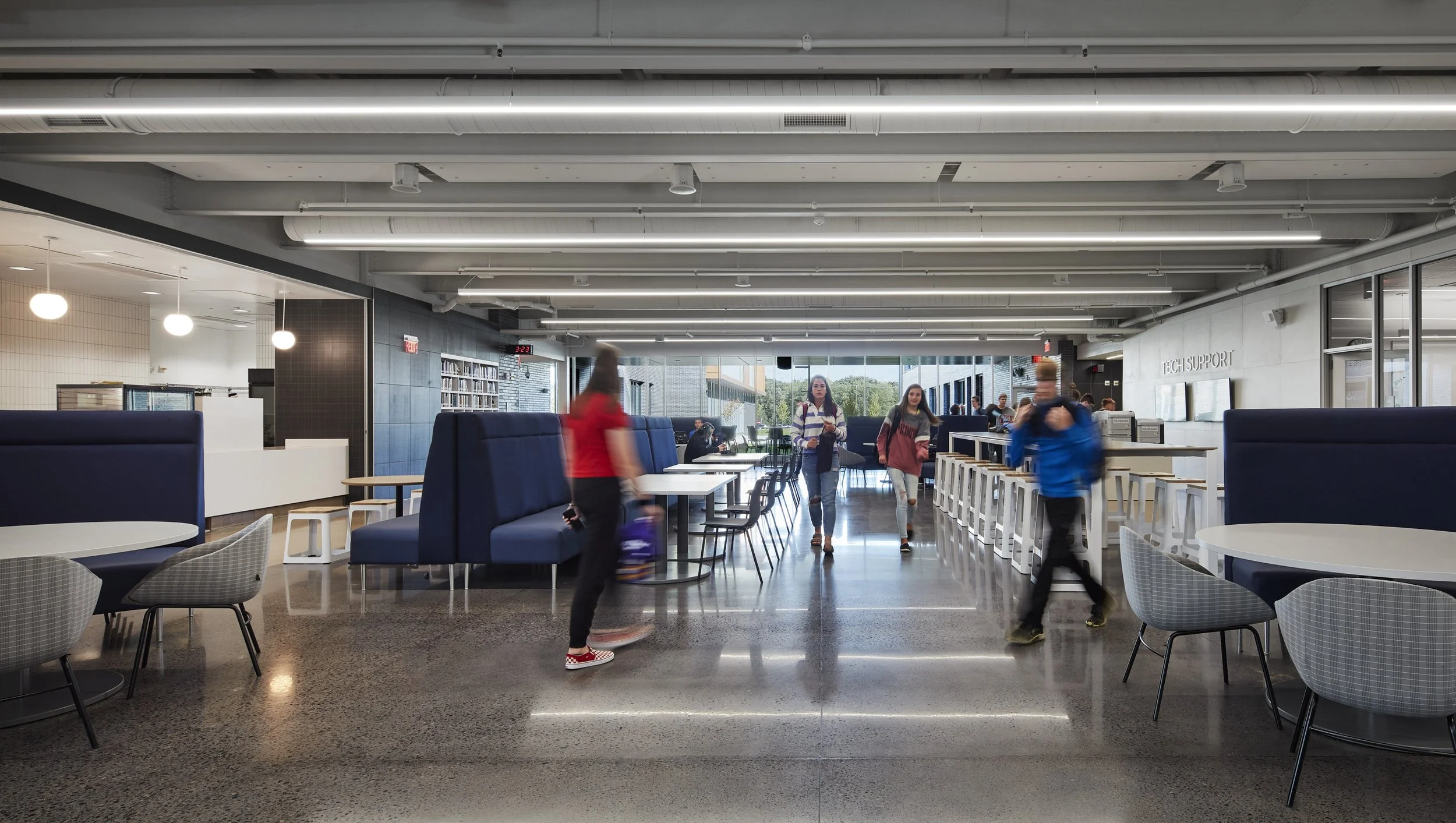
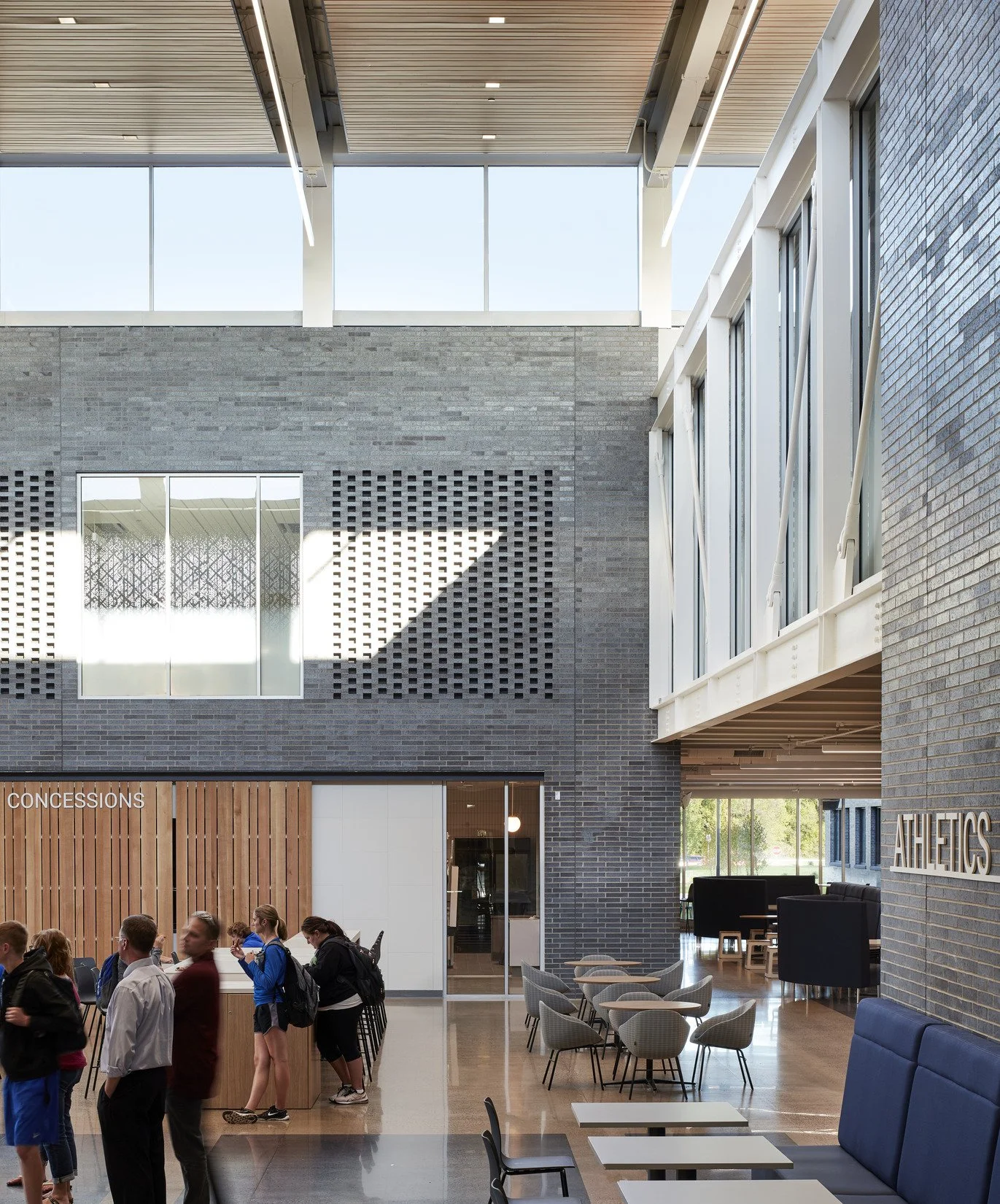
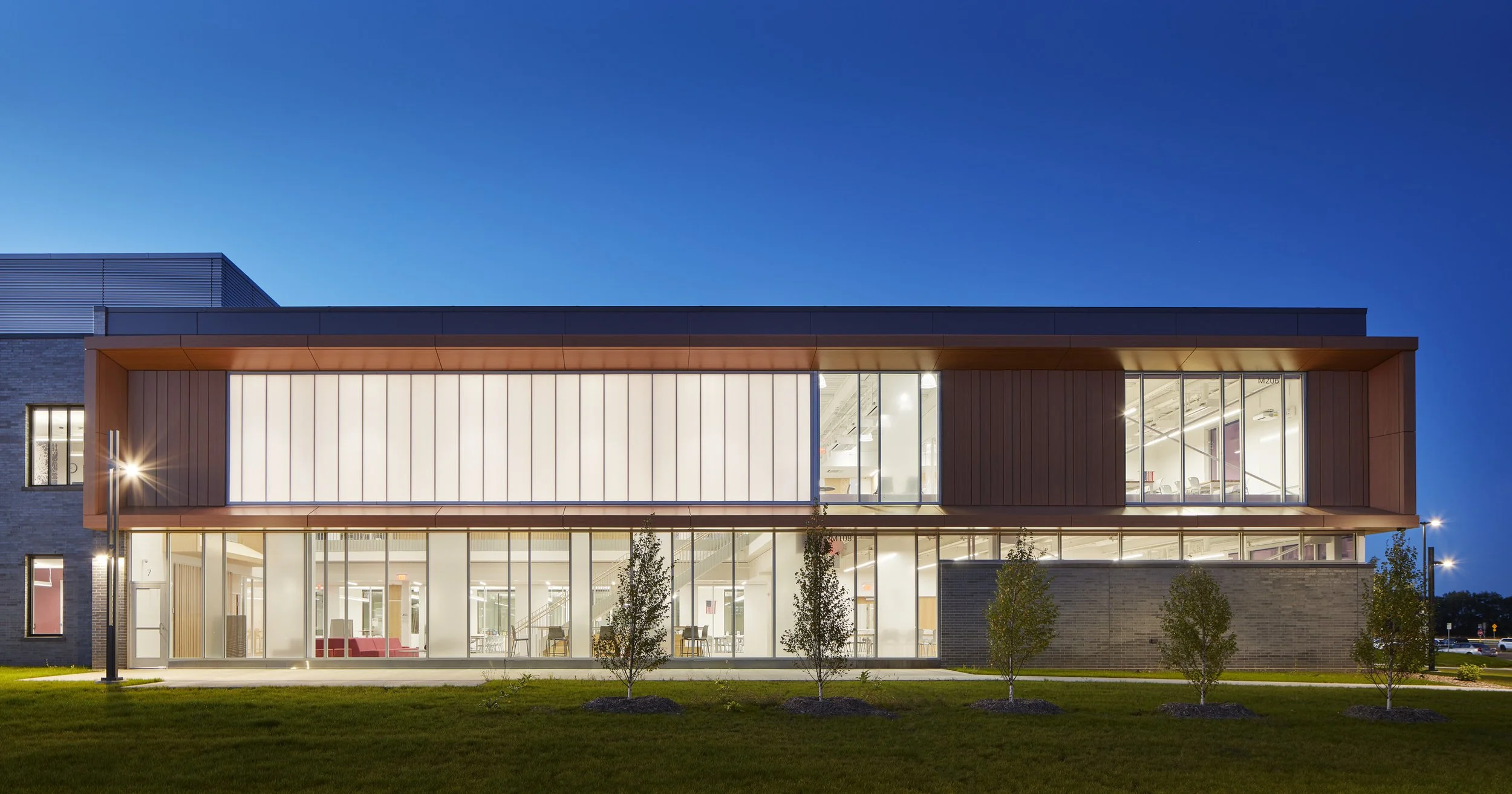
At the heart of the building is a generous, daylit commons that functions as the school's internal "Main Street." More than a circulation spine, it is the social, academic, and cultural center of campus life—an active destination where students gather throughout the day to study, collaborate, perform, celebrate, and connect.
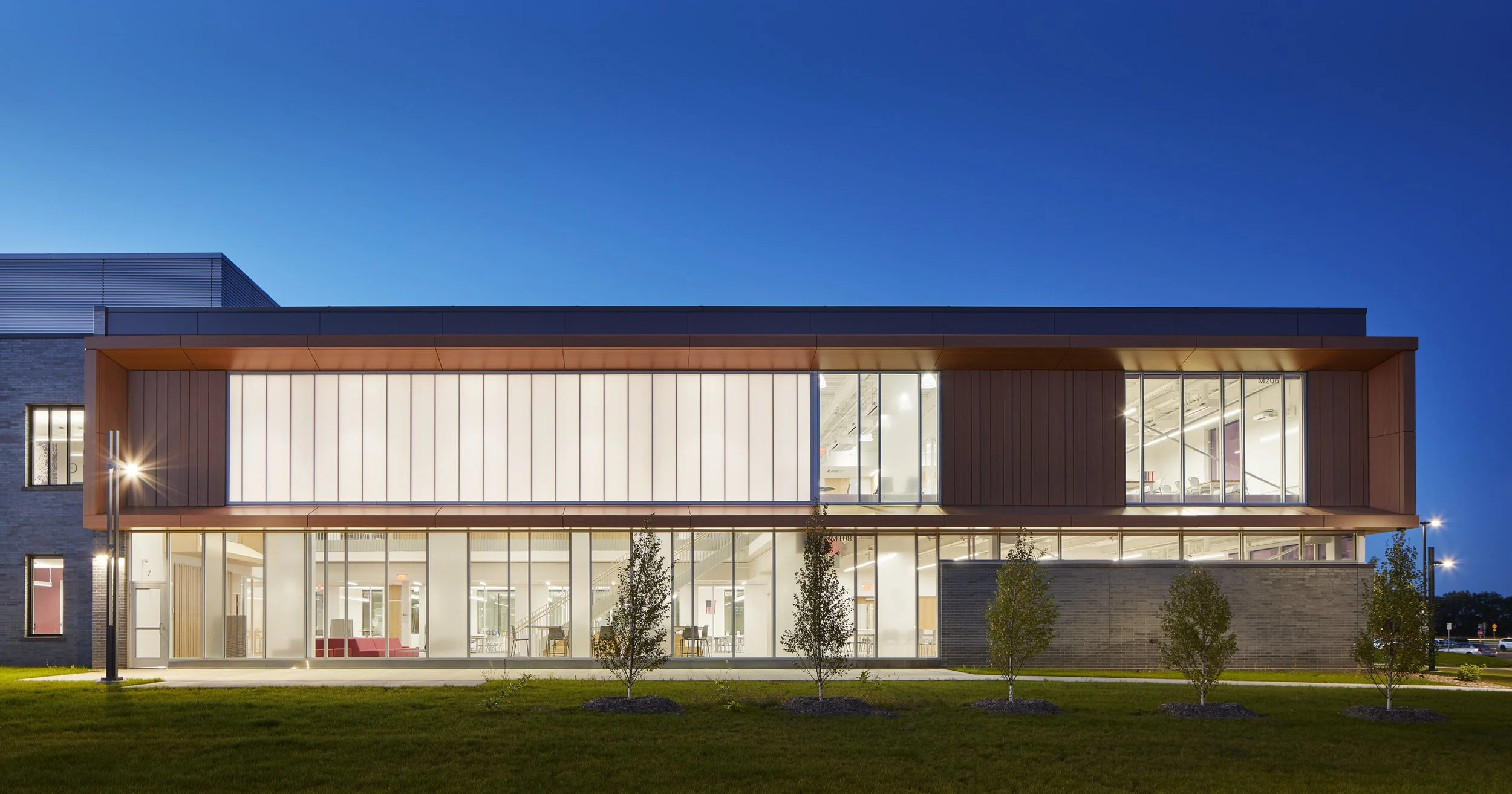
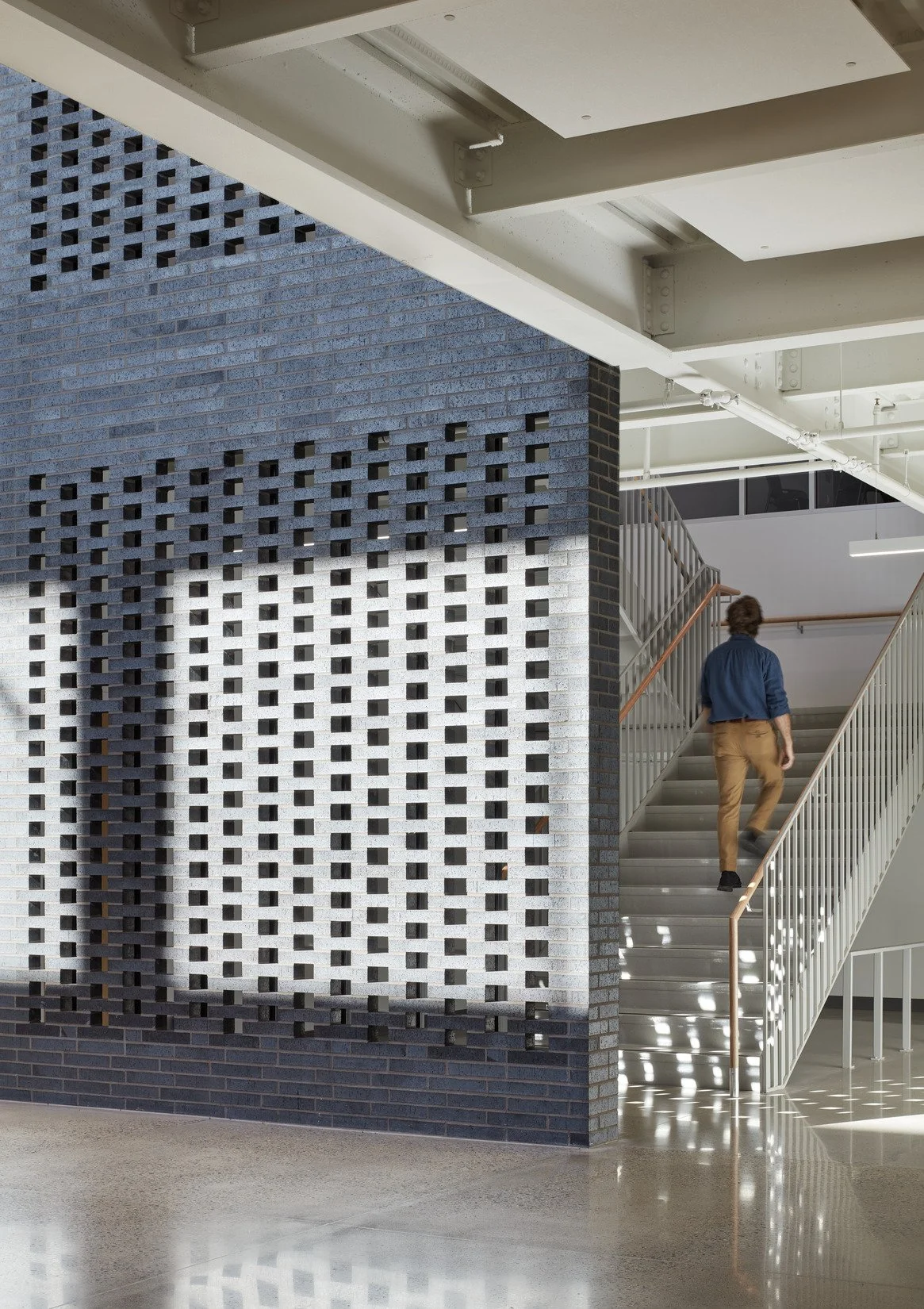
Carefully selected materials and acoustical treatments create a comfortable environment that remains energetic without becoming overwhelming. Abundant natural daylight reinforces the commons as a welcoming civic space while strengthening visual connections throughout the building.
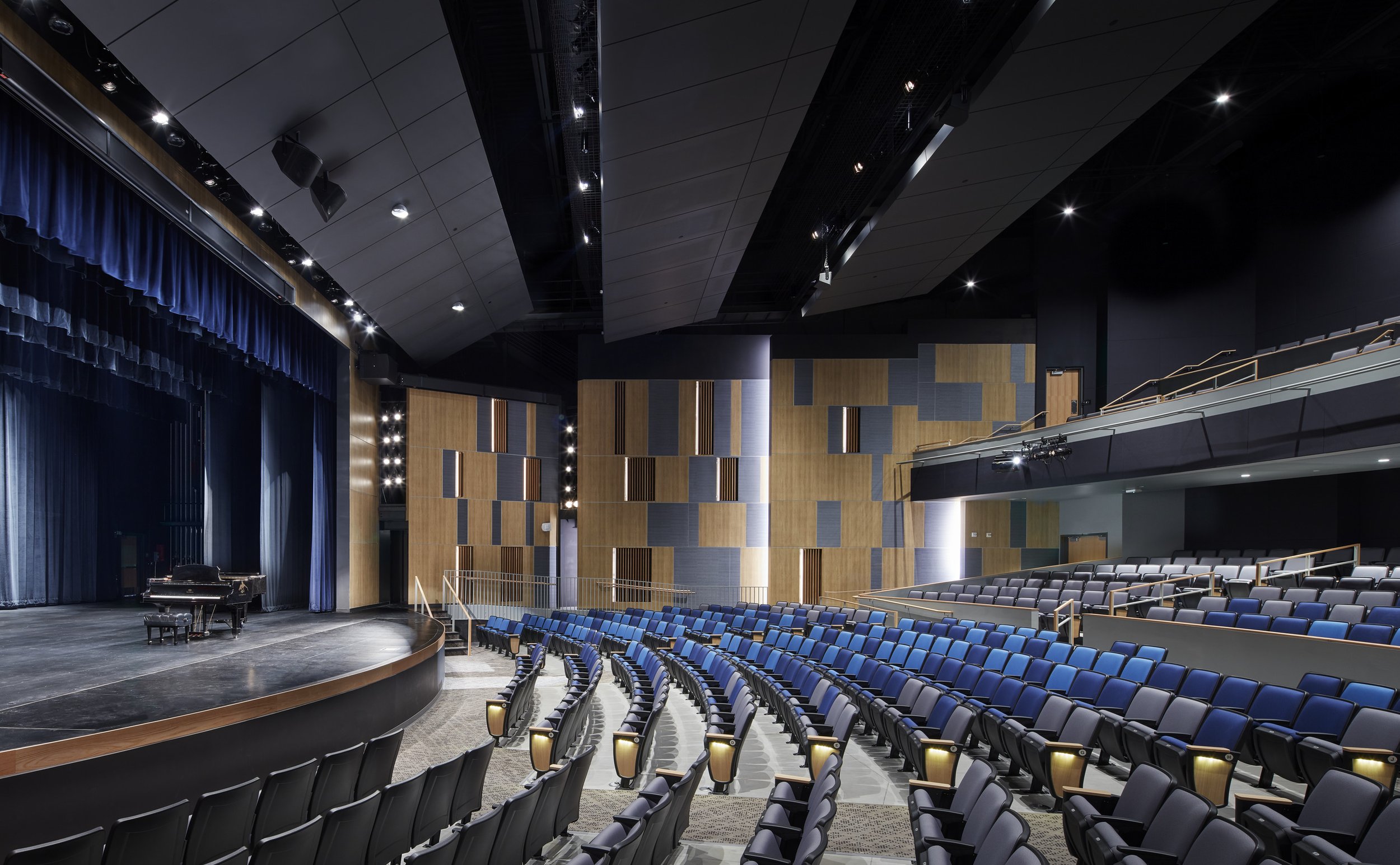
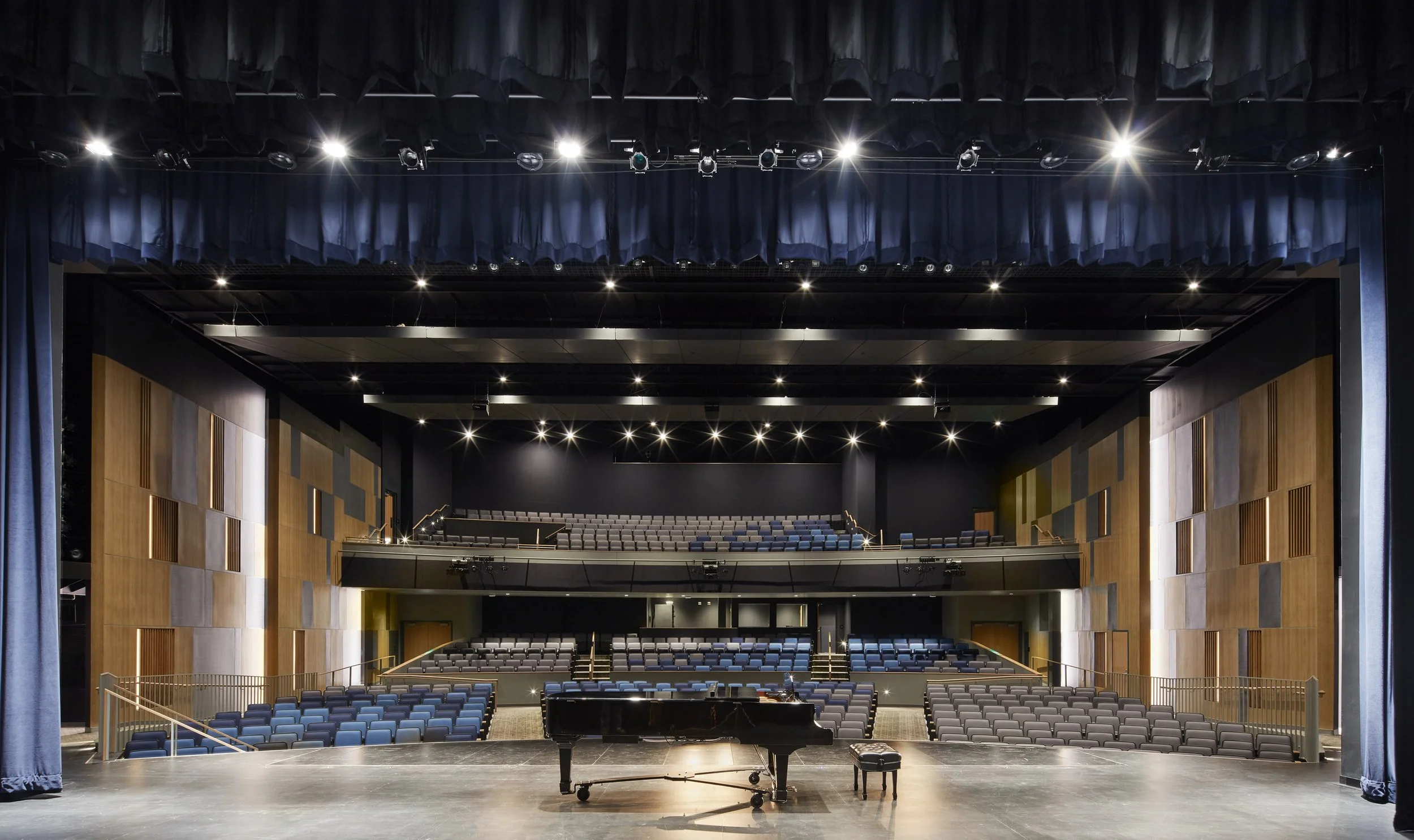
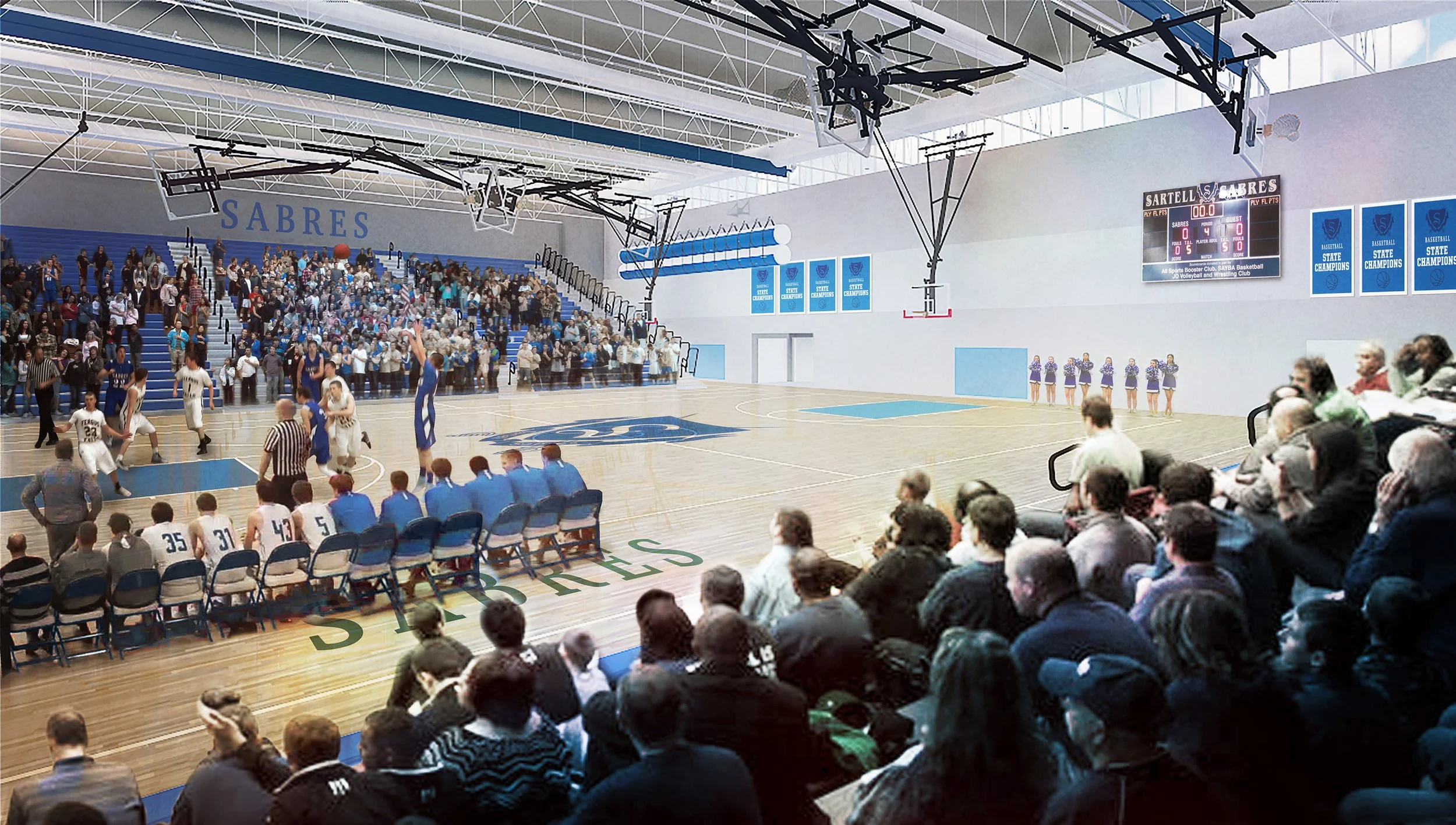
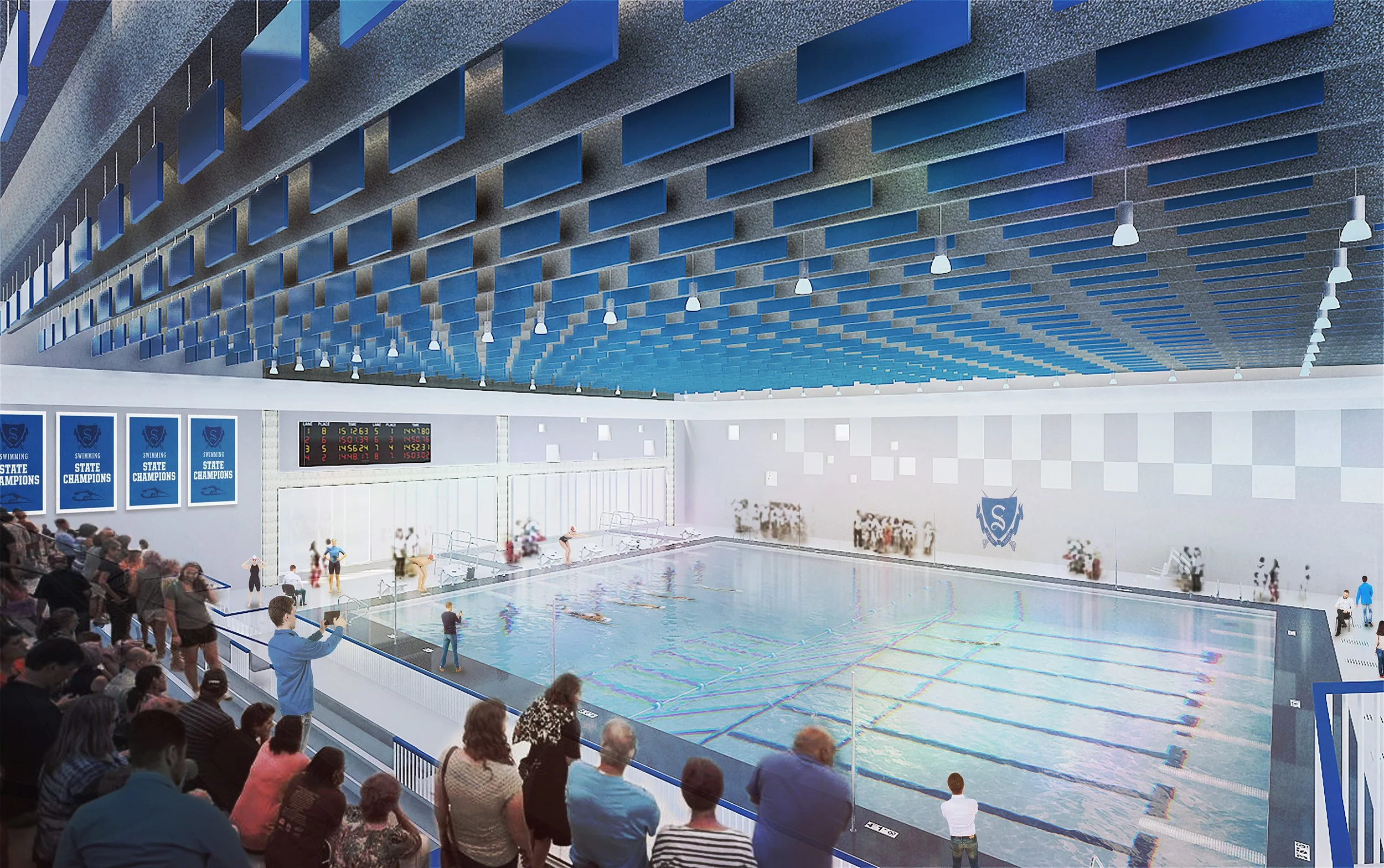
The commons serves as the organizing element that unites the school's academic neighborhoods with specialized learning environments, including music, theater, athletics, aquatics, and fabrication labs, encouraging interdisciplinary learning and strengthening the sense of one unified school community.
Learning Beyond the Classroom
Recognizing that meaningful learning occurs in both formal and informal settings, the building provides a diverse range of flexible environments that support collaboration, independent study, creativity, and student choice.
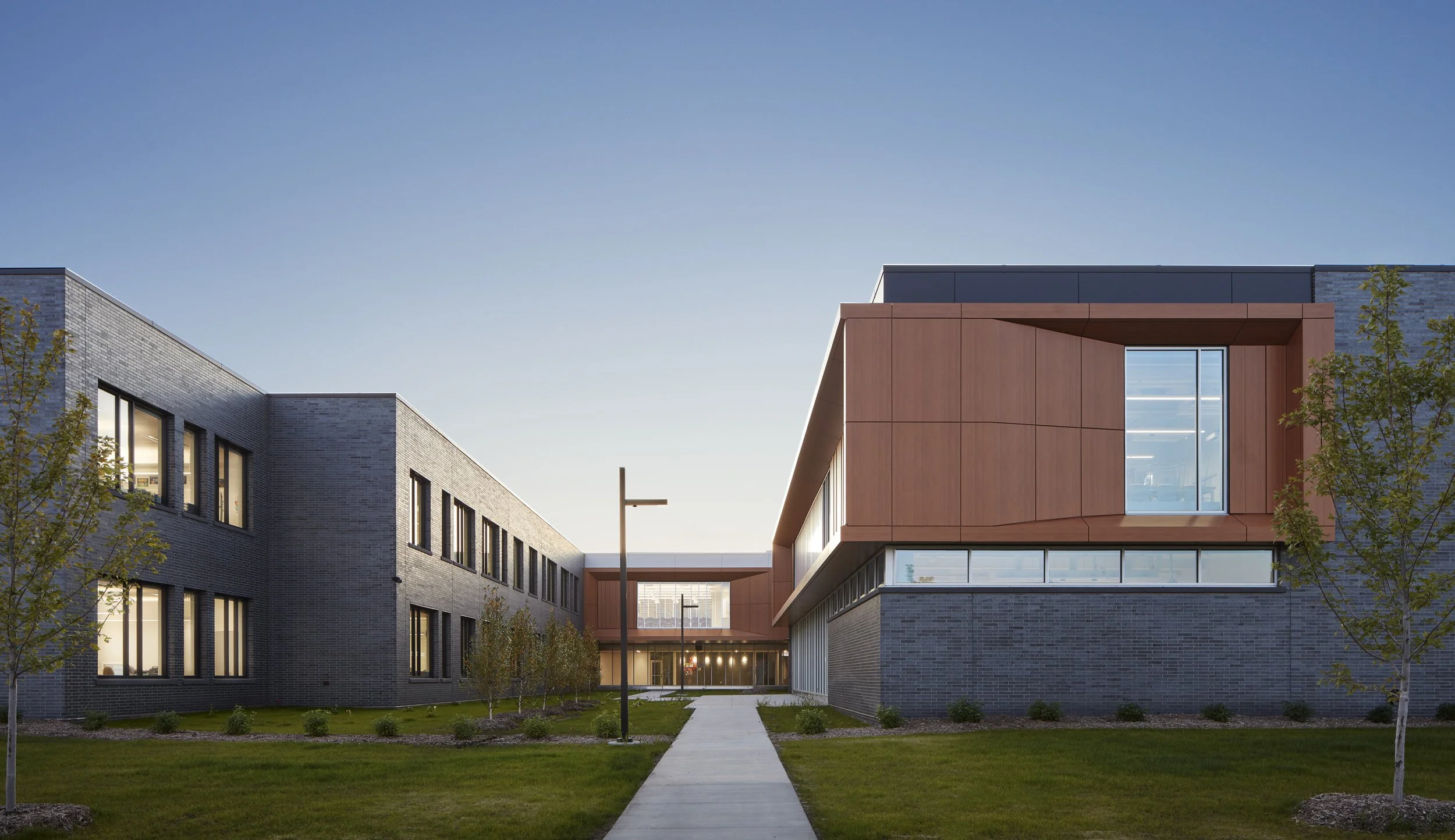
Three two-story learning neighborhoods provide smaller academic communities within the larger school, creating a sense of identity while encouraging interaction across grade levels. Overhead bridges physically and symbolically connect these neighborhoods to specialized learning environments, reinforcing the belief that academic, artistic, technical, and athletic pursuits are equally valued.
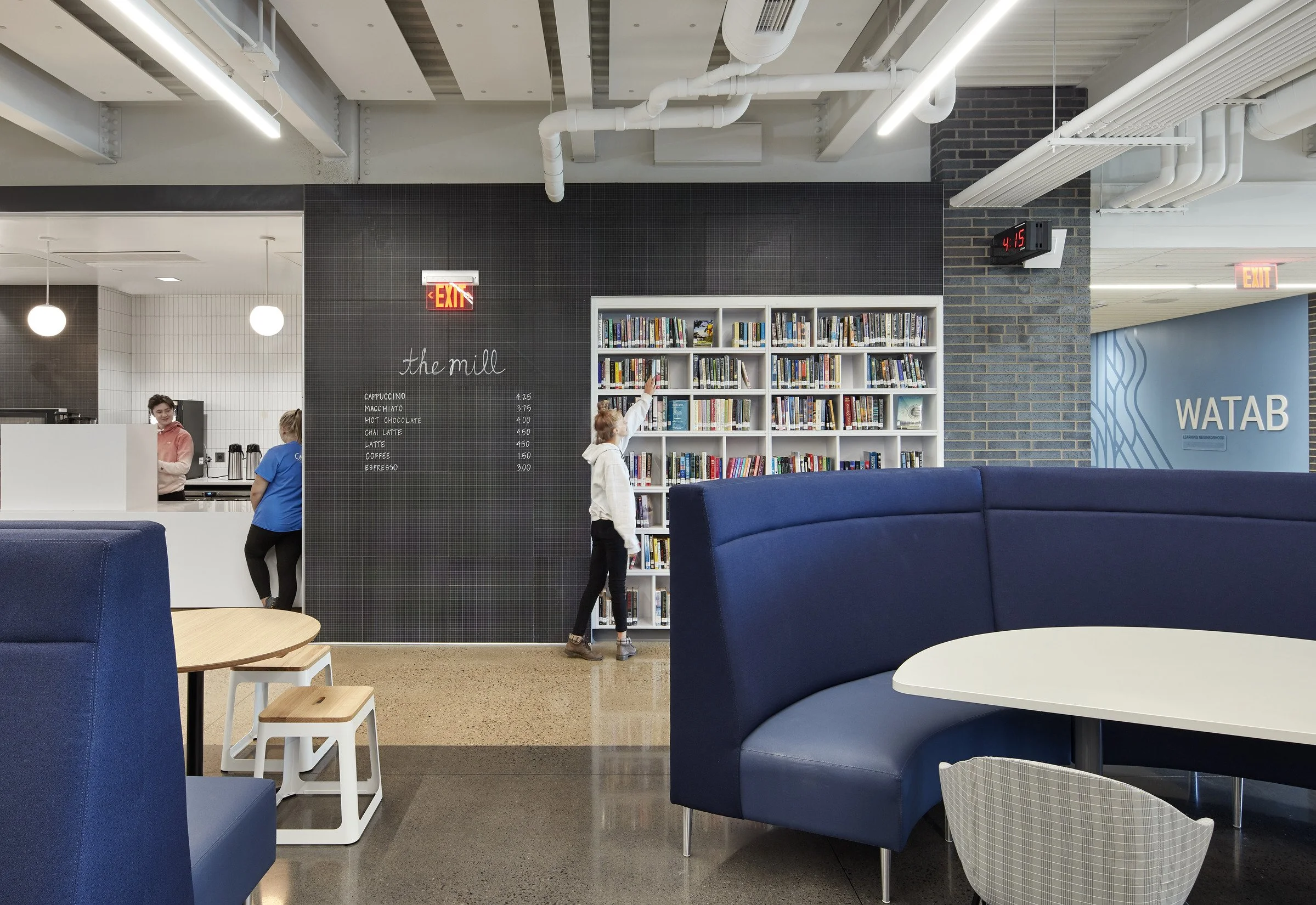
Distributed book collections, informal seating areas, and collaborative spaces extend learning into the commons, making the entire building an educational resource rather than limiting learning to scheduled classrooms.
A Community Built Around Student Experience
The commons offers a variety of destinations that encourage students to engage with one another throughout the school day. A tiered learning stair functions as both an informal classroom and gathering space while doubling as a venue for presentations and performances. A flexible black box theater supports performing arts, community events, and interdisciplinary learning opportunities.
Student-operated amenities—including a coffee shop and school spirit store—provide authentic opportunities for leadership, entrepreneurship, and real-world learning while strengthening school culture and creating spaces that students genuinely enjoy.
These experiences reflect Clow Berg's belief that schools should cultivate both academic excellence and personal growth.
Designing for Wellbeing and Adaptability
Every planning decision was guided by a commitment to creating healthy, flexible environments that support students today while remaining adaptable for the future. Daylight, intuitive circulation, acoustic comfort, and welcoming gathering spaces contribute to a positive daily experience for students, faculty, and visitors alike.
The building's flexible organization allows educational programs to evolve over time, ensuring the facility remains responsive to changing teaching methods, technologies, and community needs without requiring significant renovation.
Design Excellence with Purpose
Sartell High School received the 2022 AIA Minnesota Honor Award, recognized for its excellence in Design for Economy, Wellbeing, and Integration. The project exemplifies how thoughtful planning can create lasting value by balancing fiscal responsibility with architectural quality and a deep commitment to student experience.
More importantly, the school demonstrates Clow Berg's belief that great educational environments are measured not simply by their architecture, but by the opportunities they create for connection, discovery, and lifelong learning.
Planning Principles
Student-Centered Design – Create environments shaped by the voices, needs, and aspirations of the students they serve.
Learning Everywhere – Extend education beyond classrooms through flexible, informal, and collaborative environments.
Community at the Core – Organize schools around welcoming gathering spaces that strengthen relationships and foster belonging.
Flexibility for the Future – Design adaptable learning environments that evolve alongside educational practices and technology.
Wellbeing by Design – Prioritize daylight, acoustics, comfort, safety, and intuitive circulation to support healthy learning environments.
Connected Learning – Integrate academic, artistic, technical, and athletic programs into one cohesive educational community.
Stewardship and Excellence – Deliver enduring value through thoughtful planning, efficient design, and architecture that enriches both students and the broader community..
PROJECT INFORMATION
LOCATION
SARTELL MN
SIZE
292,000 SQ FT
STATUS
COMPLETED FALL 2019
PROJECT SCOPE
NEW CONSTRUCTION
WORK PERFORMED WHILE AT CUNINGHAM