ST. PETER MIDDLE SCHOOL
Renewing the Learning Environment
Great schools are not defined only by new buildings, but by the ability to continually adapt and serve generations of students. This renovation project demonstrates how thoughtful improvements to an existing educational facility can transform everyday experiences while preserving the value and character of an established school.
Through targeted upgrades to learning spaces, accessibility, building systems, and student amenities, the project creates a more inclusive, flexible, and high-performing environment designed to support evolving educational needs.
Improving the Everyday Experience
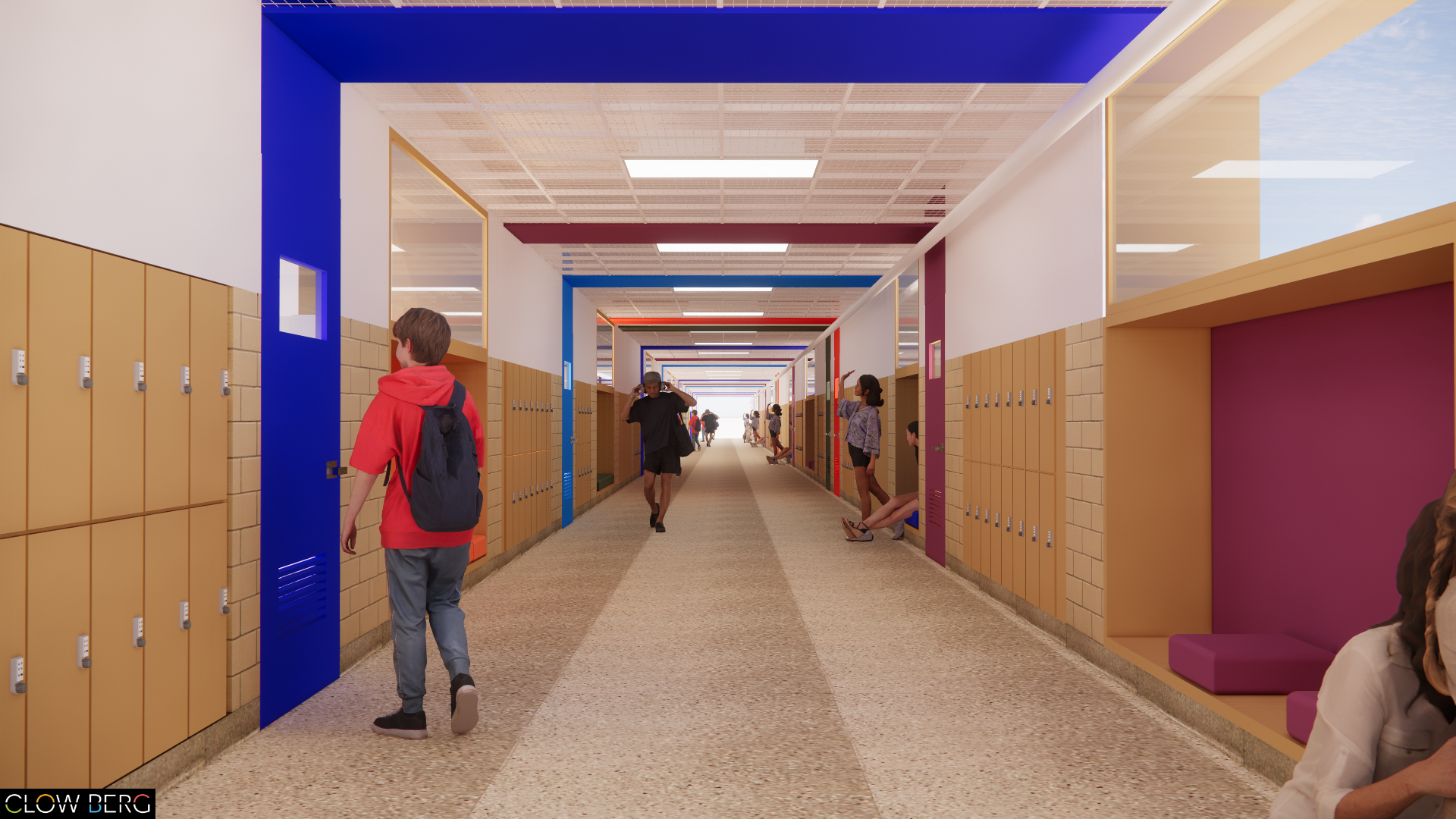
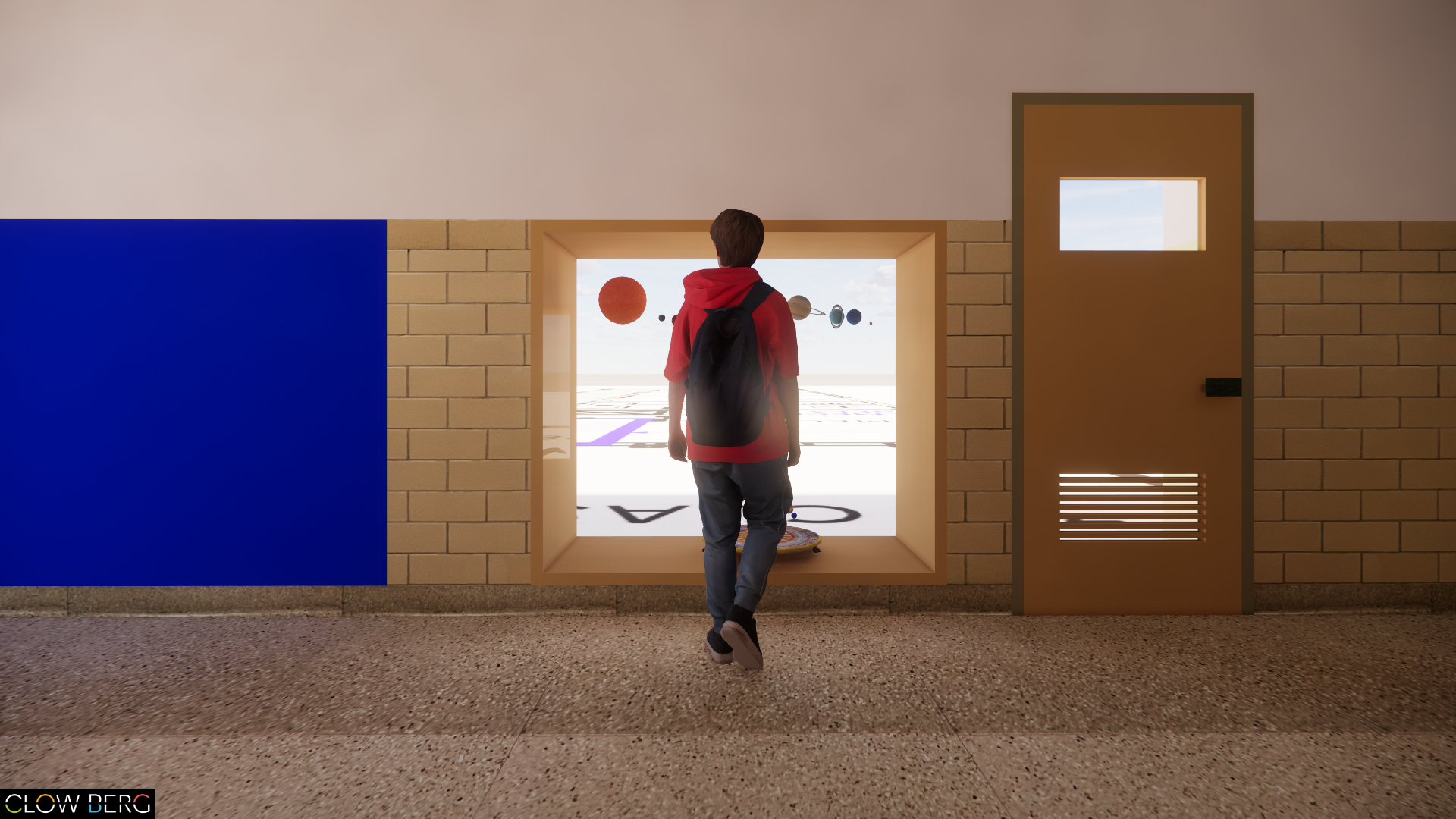
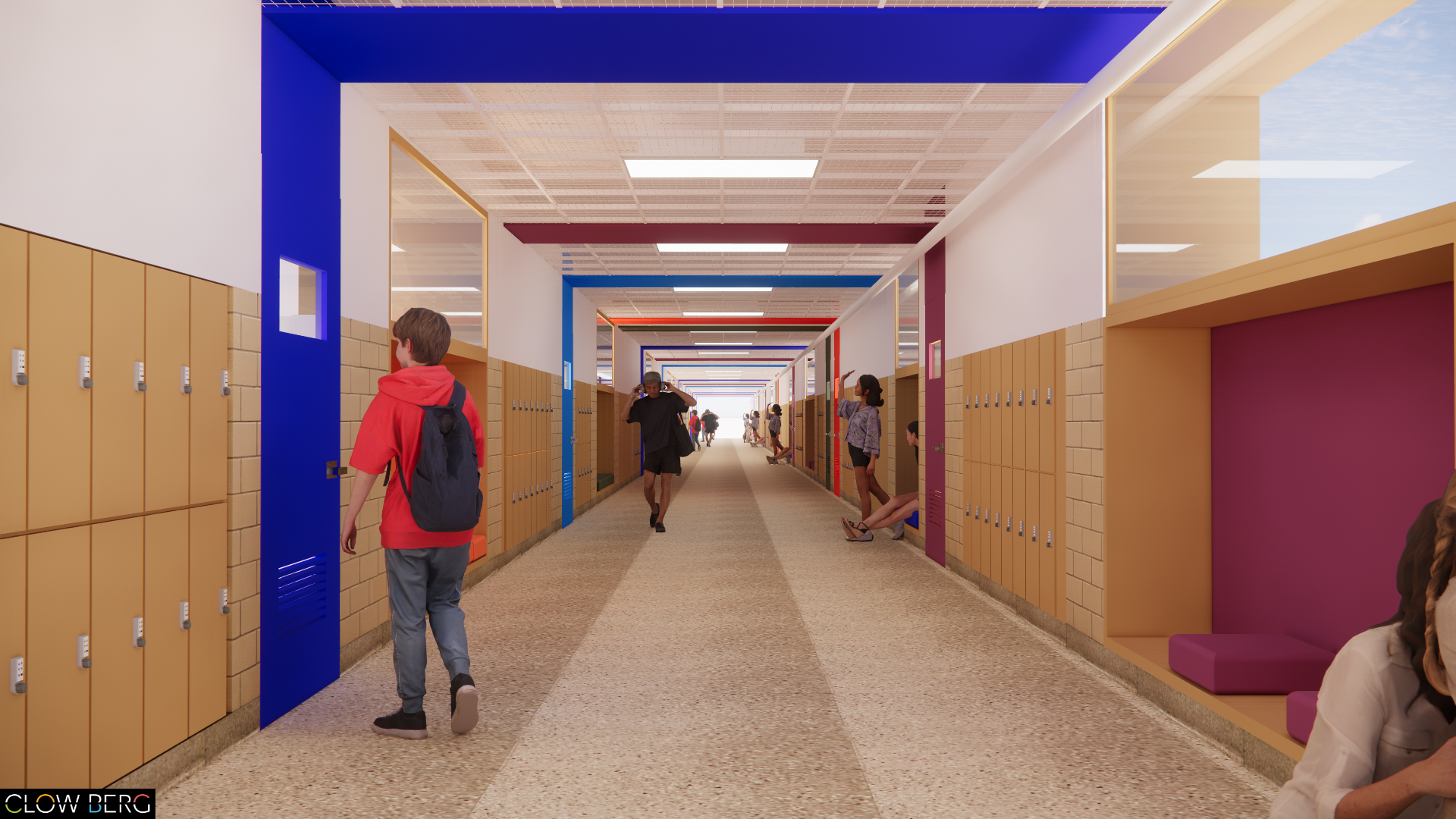
The renovation focuses on the spaces students and educators experience every day. Select classrooms throughout the building are refreshed with updated flooring, wall finishes, and additional convenience outlets to better support contemporary teaching methods and technology integration.
Specialized learning environments, including science laboratories, art spaces, and STEM classrooms, receive targeted improvements that enhance hands-on, collaborative, and project-based learning. These updates create more engaging environments where students can explore, experiment, and develop skills for the future.
Rather than simply updating finishes, the project reimagines how existing spaces can better support modern education.
Creating an Accessible Campus
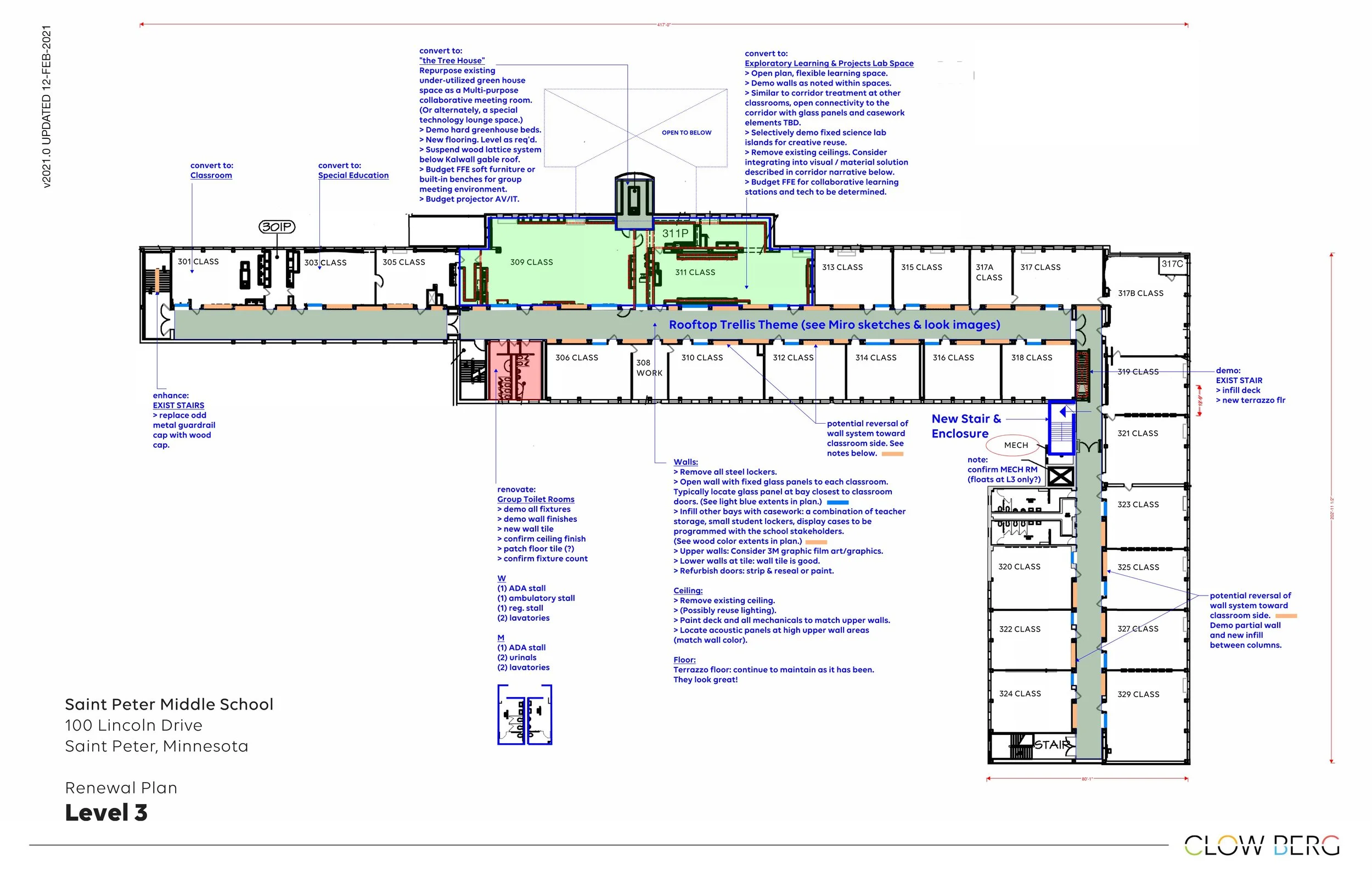
Accessibility improvements are central to the renovation strategy. Existing second- and third-floor restrooms are renovated to meet current ADA standards, ensuring equitable access for all students, staff, and visitors.
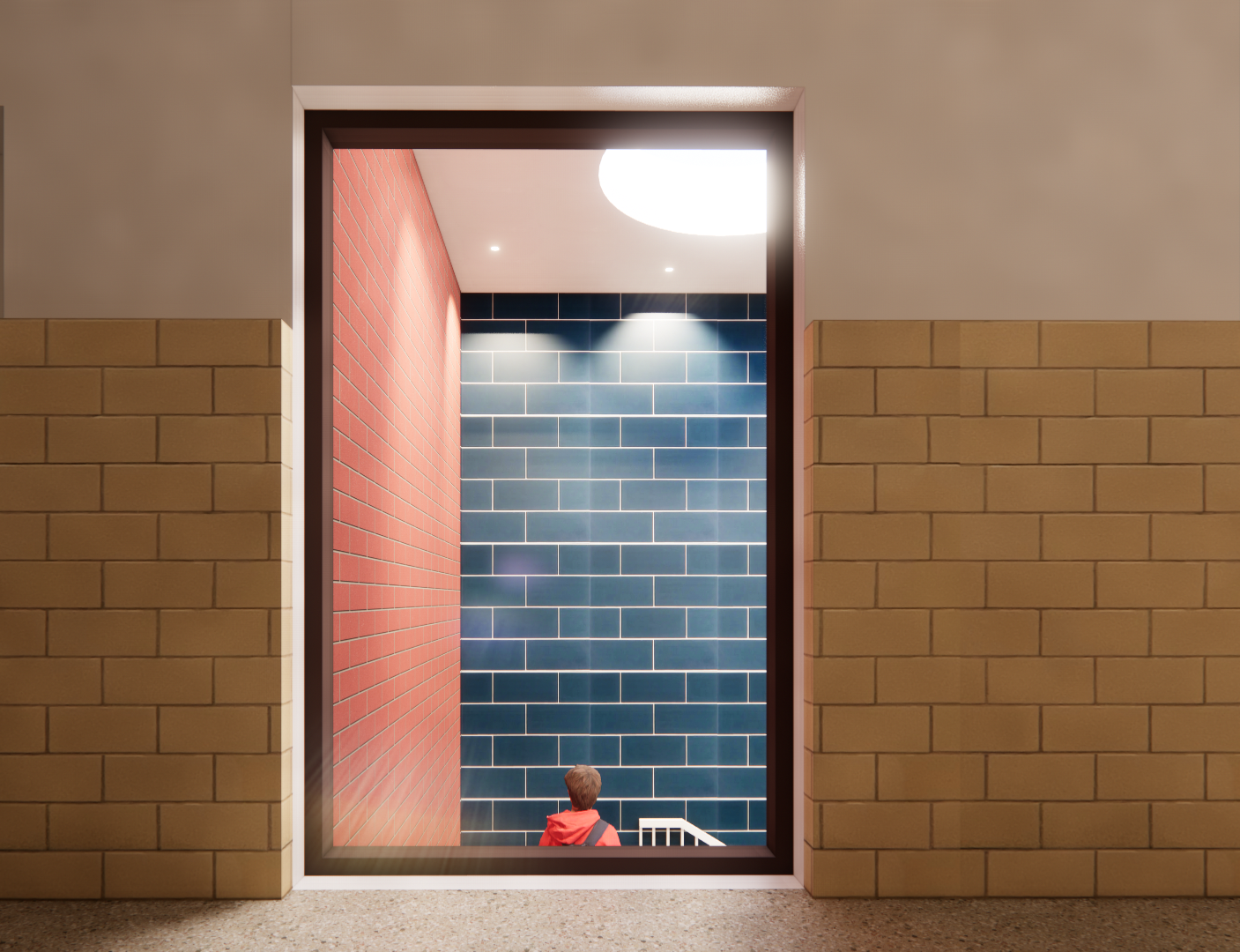
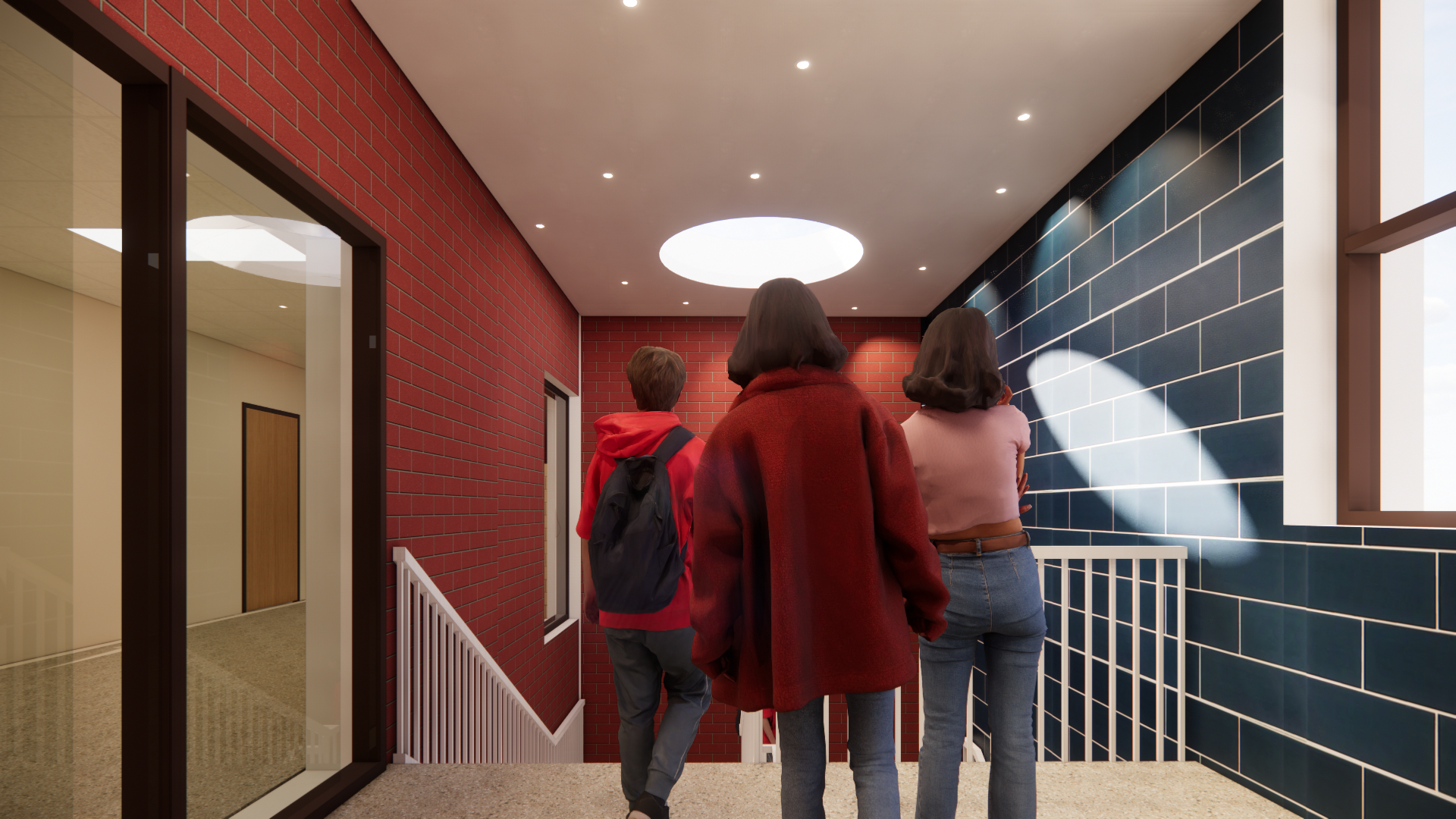
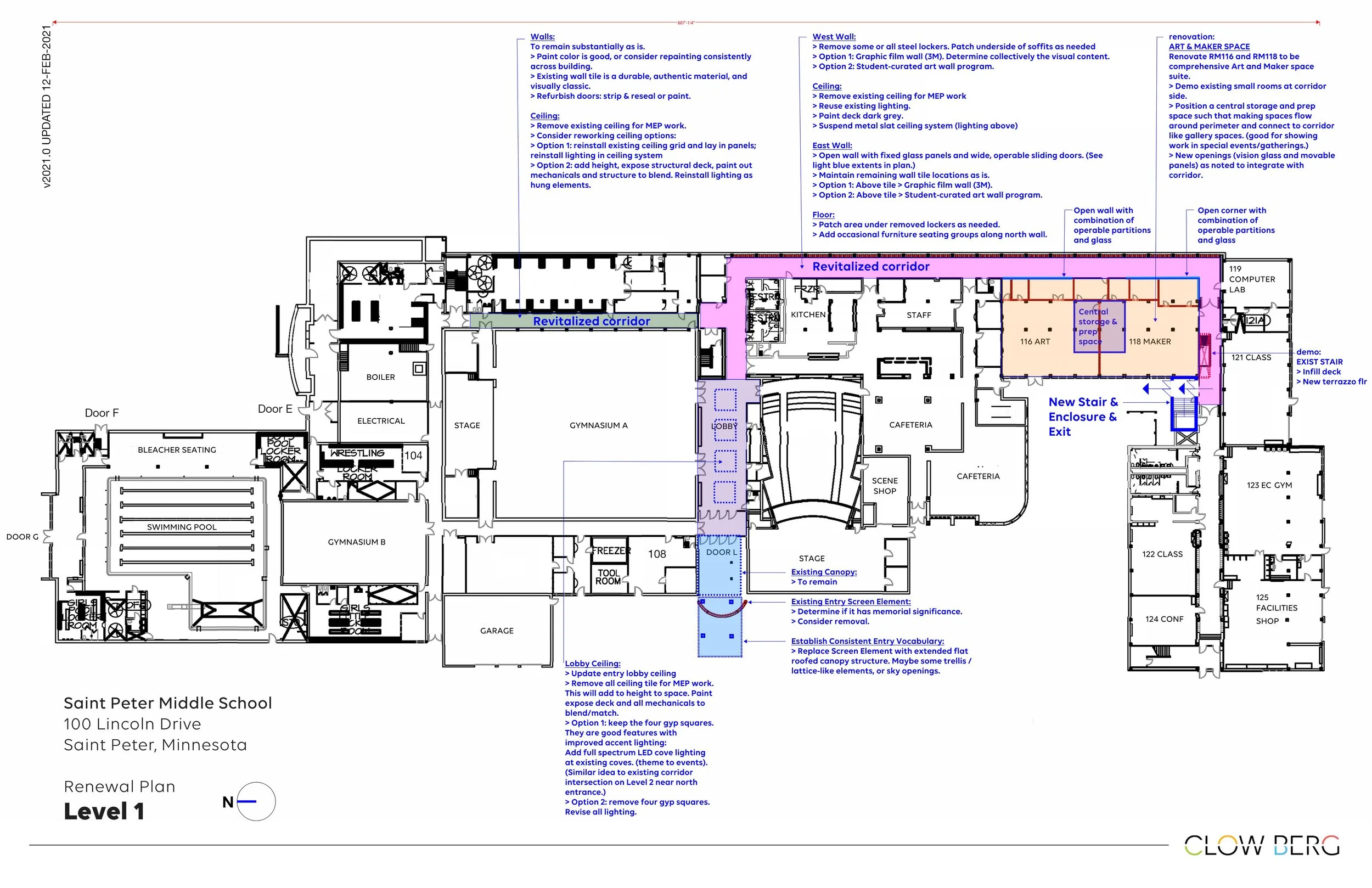
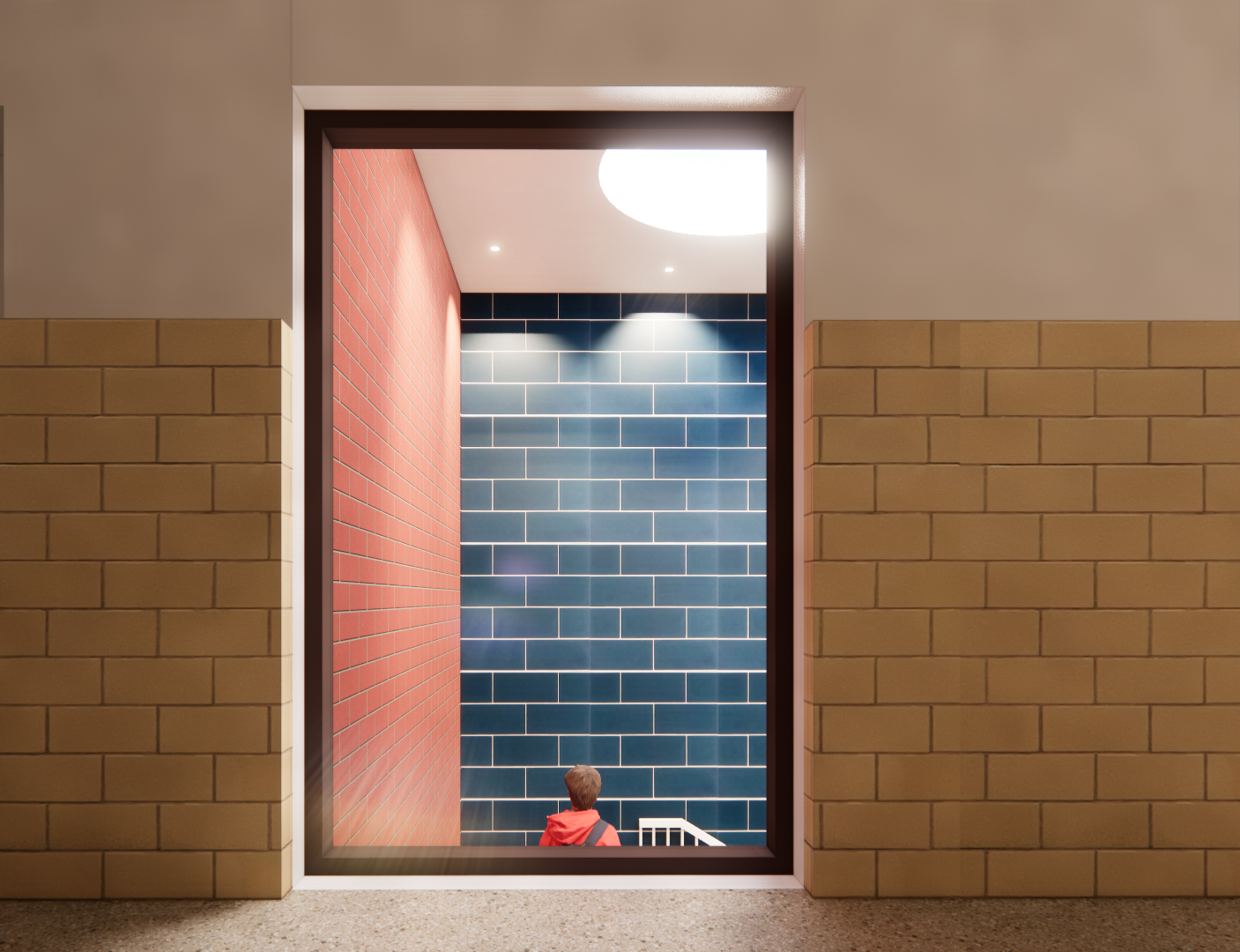
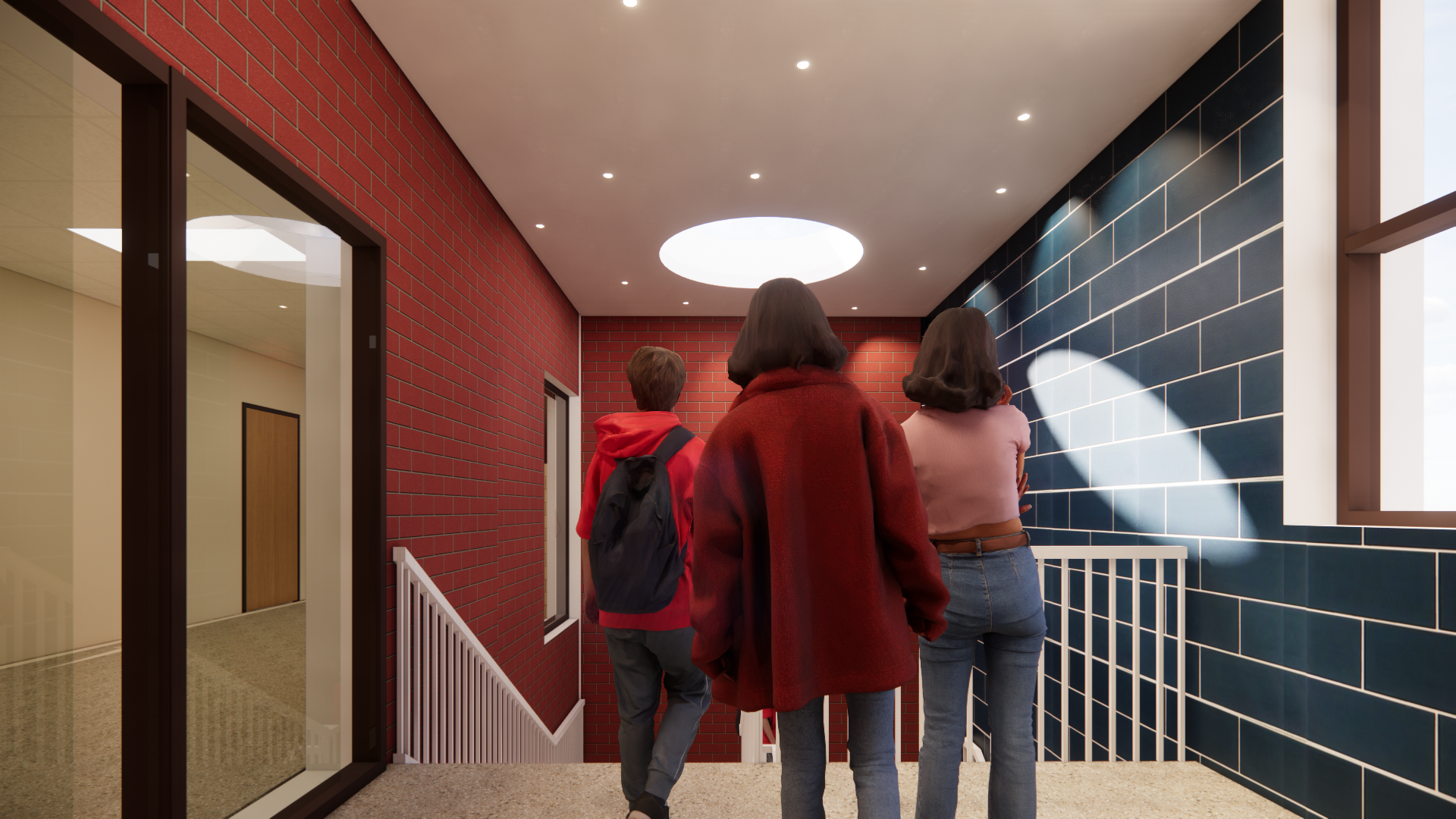
The removal of the existing east corridor stairs across all three levels and construction of a new exterior stairwell improves circulation while creating a safer and more intuitive connection throughout the building.
These improvements strengthen the school's ability to serve an increasingly diverse student population while enhancing the overall user experience.
Modernizing Building Performance
Beyond visible improvements, the project includes comprehensive upgrades to the building's mechanical systems, improving comfort, efficiency, and long-term operational performance.
Aging unit ventilators, air handling units, and rooftop units are replaced with high-efficiency systems incorporating hot water and chilled water coils, ECM motors, energy recovery, and updated ventilation capabilities designed to meet current ASHRAE 90.1 requirements.
The existing steam heating system is replaced with high-efficiency dual-fuel boilers, providing improved reliability and operational flexibility. A new centralized cooling system with two chillers serves the entire school, while dedicated fan-powered VAV systems and independent classroom controls allow each learning space to respond individually to occupant needs.
These improvements create a healthier and more comfortable learning environment while reducing long-term energy demands.
Extending the Life of an Existing School
Building renovations require a careful balance between preservation and progress. By focusing investment where it matters most—student experience, accessibility, learning environments, and building performance—the project extends the useful life of the existing facility while preparing it for future generations.
The result is a renewed school environment that demonstrates how thoughtful design can transform existing buildings into places that continue to inspire learning and community.
Planning Principles
Renew Through Design – Extend the life of existing buildings through strategic improvements and thoughtful interventions.
Student Experience First – Prioritize the spaces where students learn, collaborate, and connect every day.
Learning Environments That Adapt – Create classrooms and specialized spaces that support evolving educational methods.
Inclusive by Design – Improve accessibility and ensure all users can fully participate in the school experience.
Performance Matters – Modernize building systems to improve comfort, efficiency, and sustainability.
Invest in Existing Assets – Recognize the value of existing schools and enhance them for future generations.
Design for Longevity – Create improvements that provide lasting benefits for students, educators, and communities..
LOCATION
PROJECT INFORMATION
SAINT PETER, MN
290,000 SQ FT
SIZE
STATUS
RECONSTRUCTION SPRING 2025
PROJECT SCOPE
RENOVATION