MINNEHAHA | UPPER CAMPUS
Rebuilding a Campus with Purpose, Resilience, and Hope
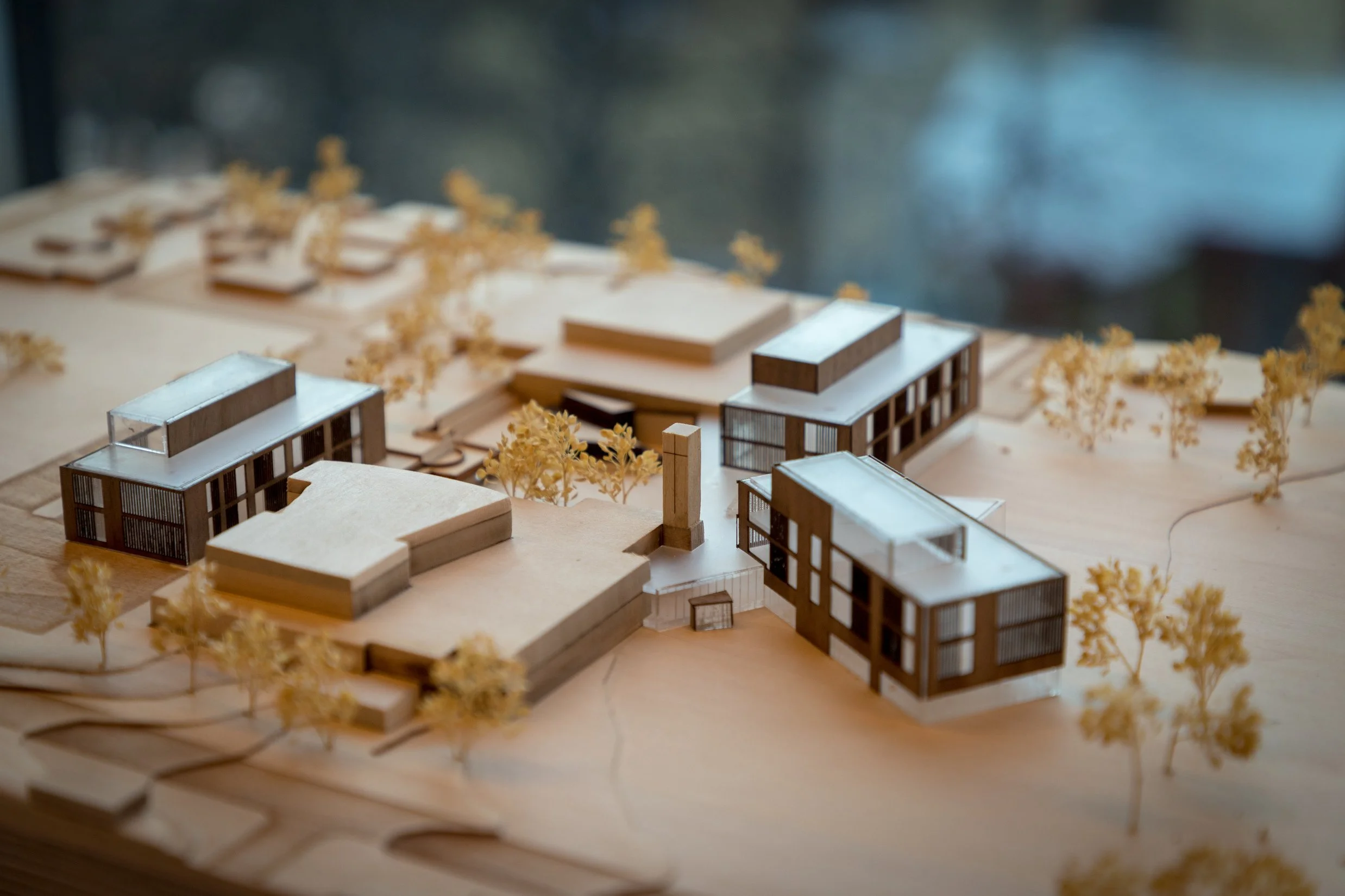
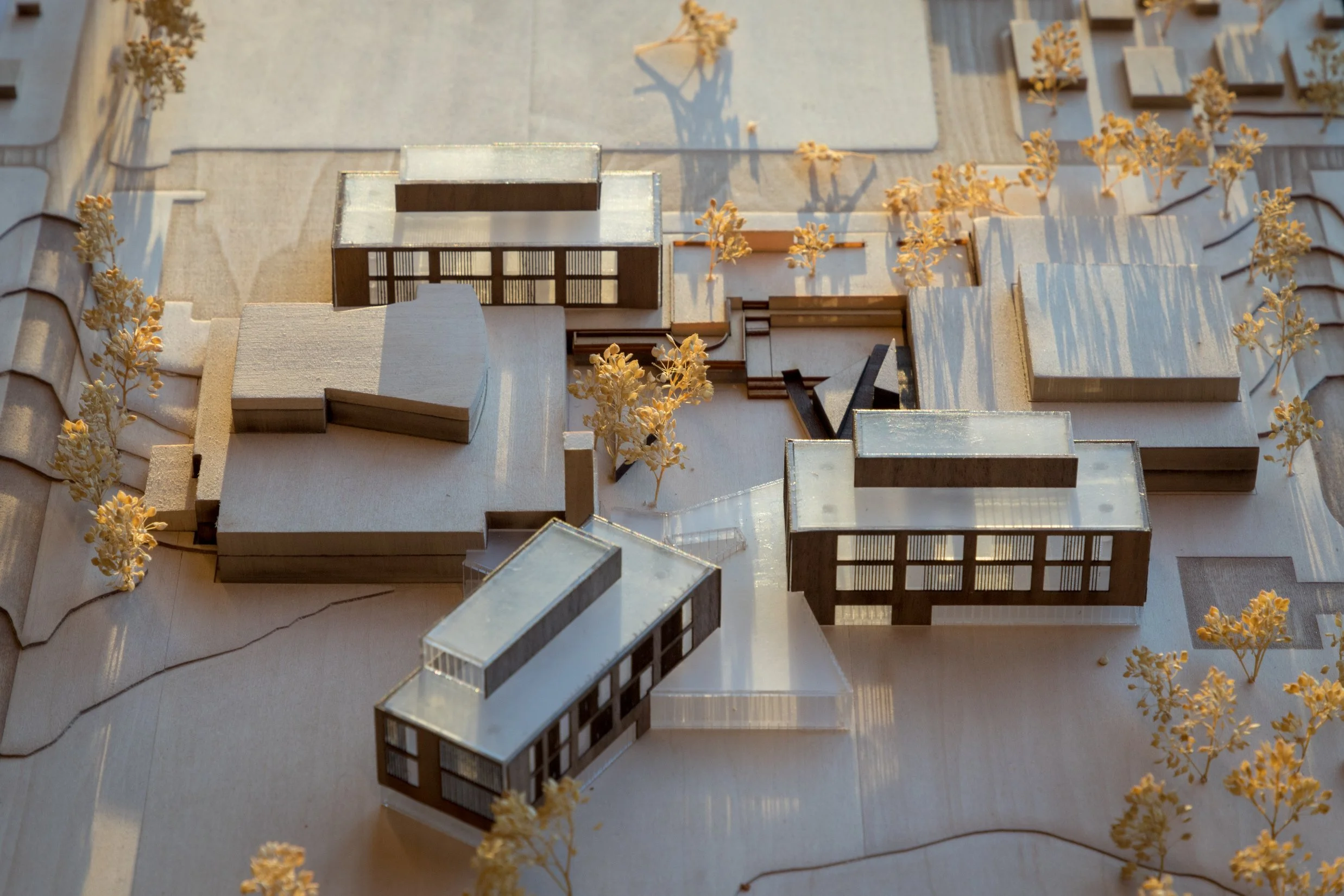
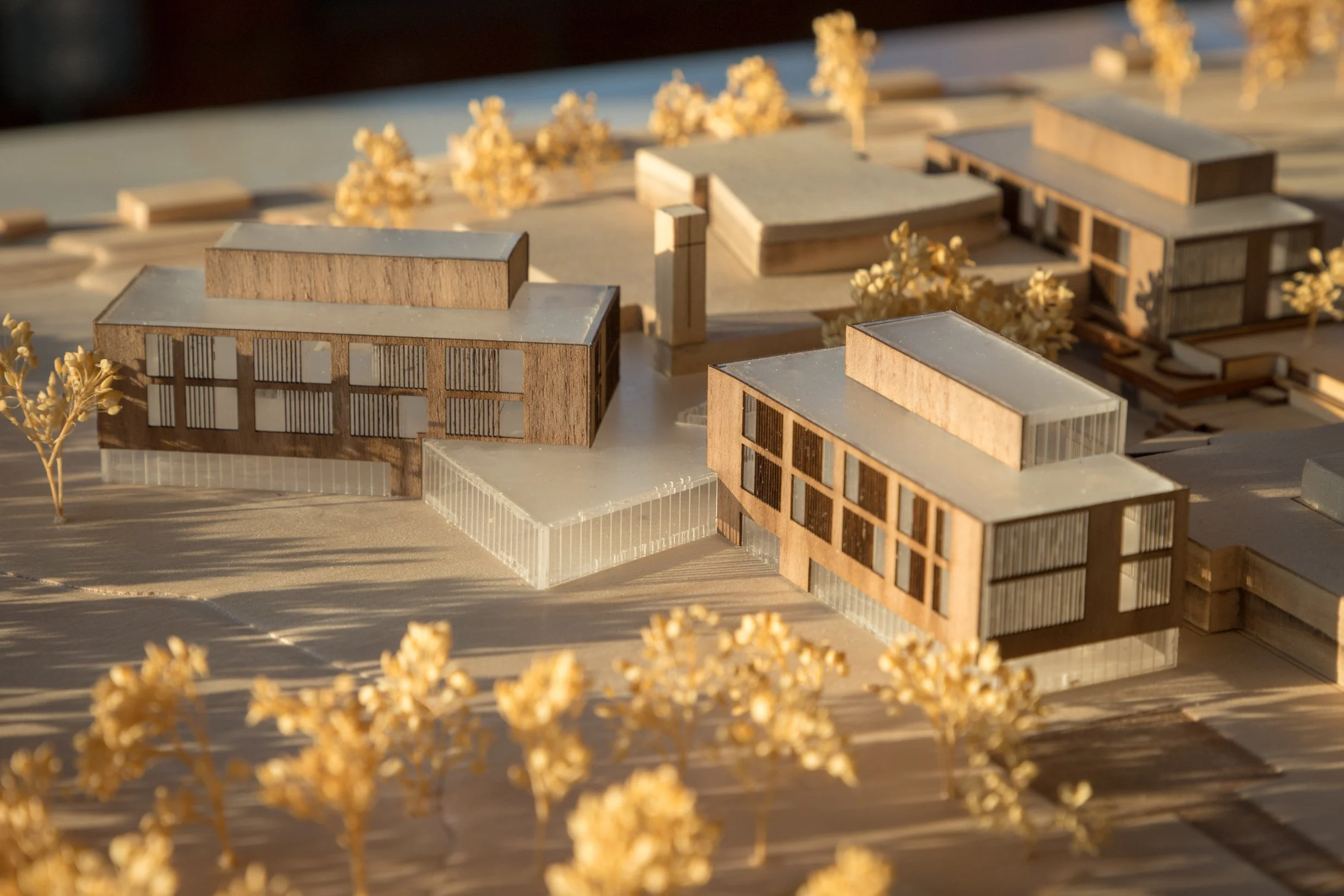
Architecture has the power to help communities heal. Following the tragic gas explosion that destroyed the historic heart of Minnehaha Academy, one of Minnesota's oldest and most respected private schools, Clow Berg partnered with the school to reimagine its Upper School campus—not simply as a replacement for what had been lost, but as an opportunity to create an environment that honors the past while inspiring future generations.
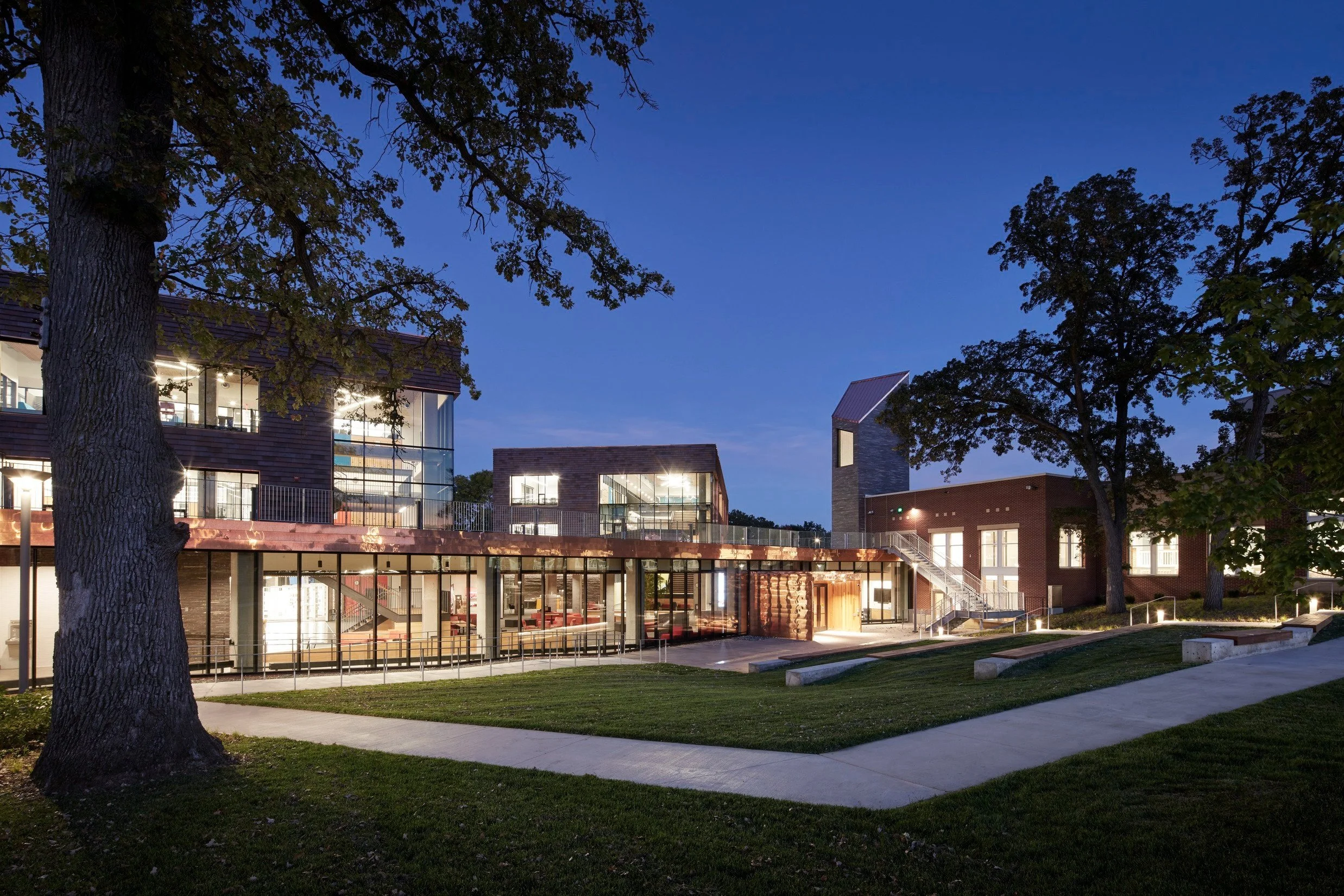
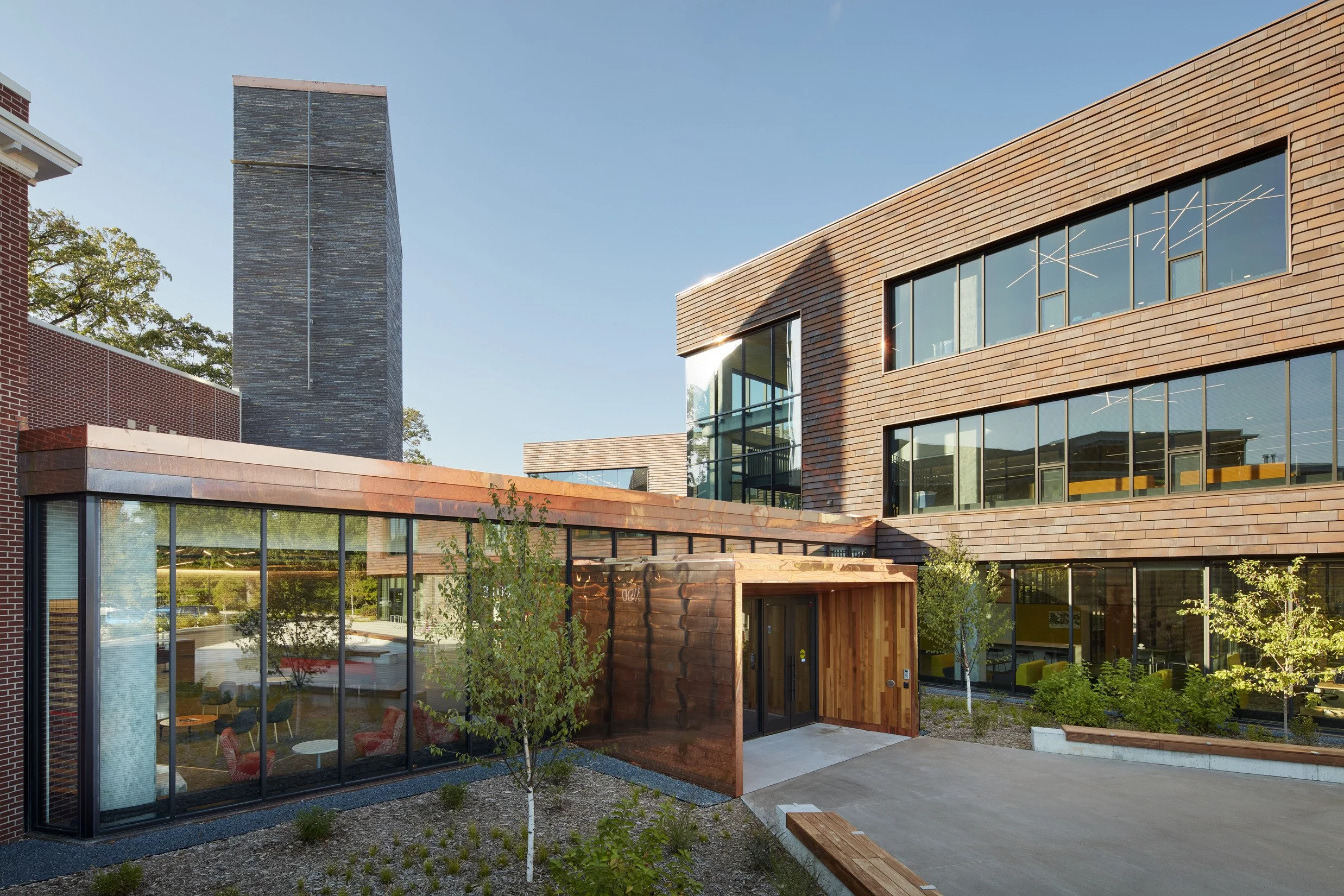
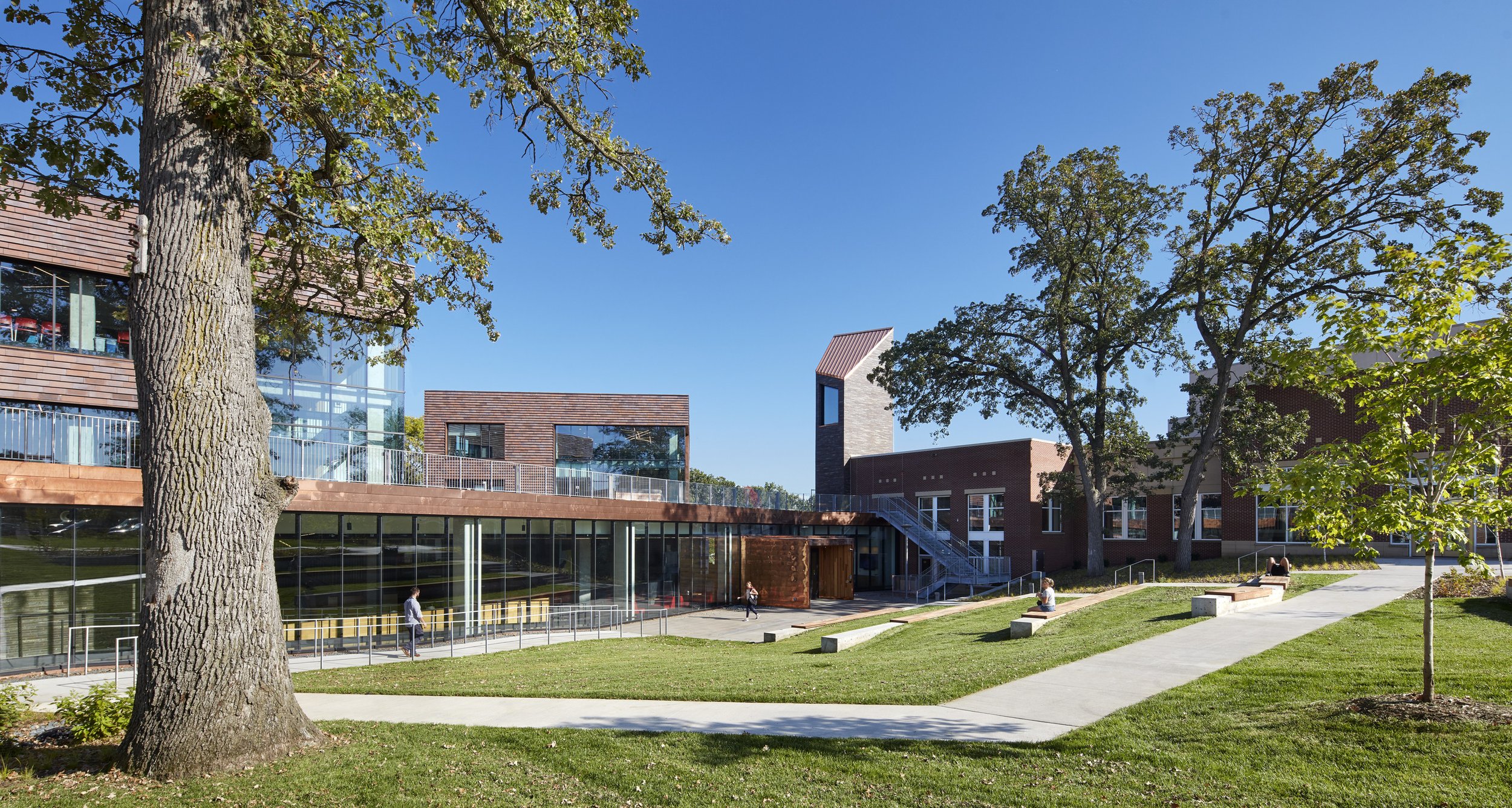
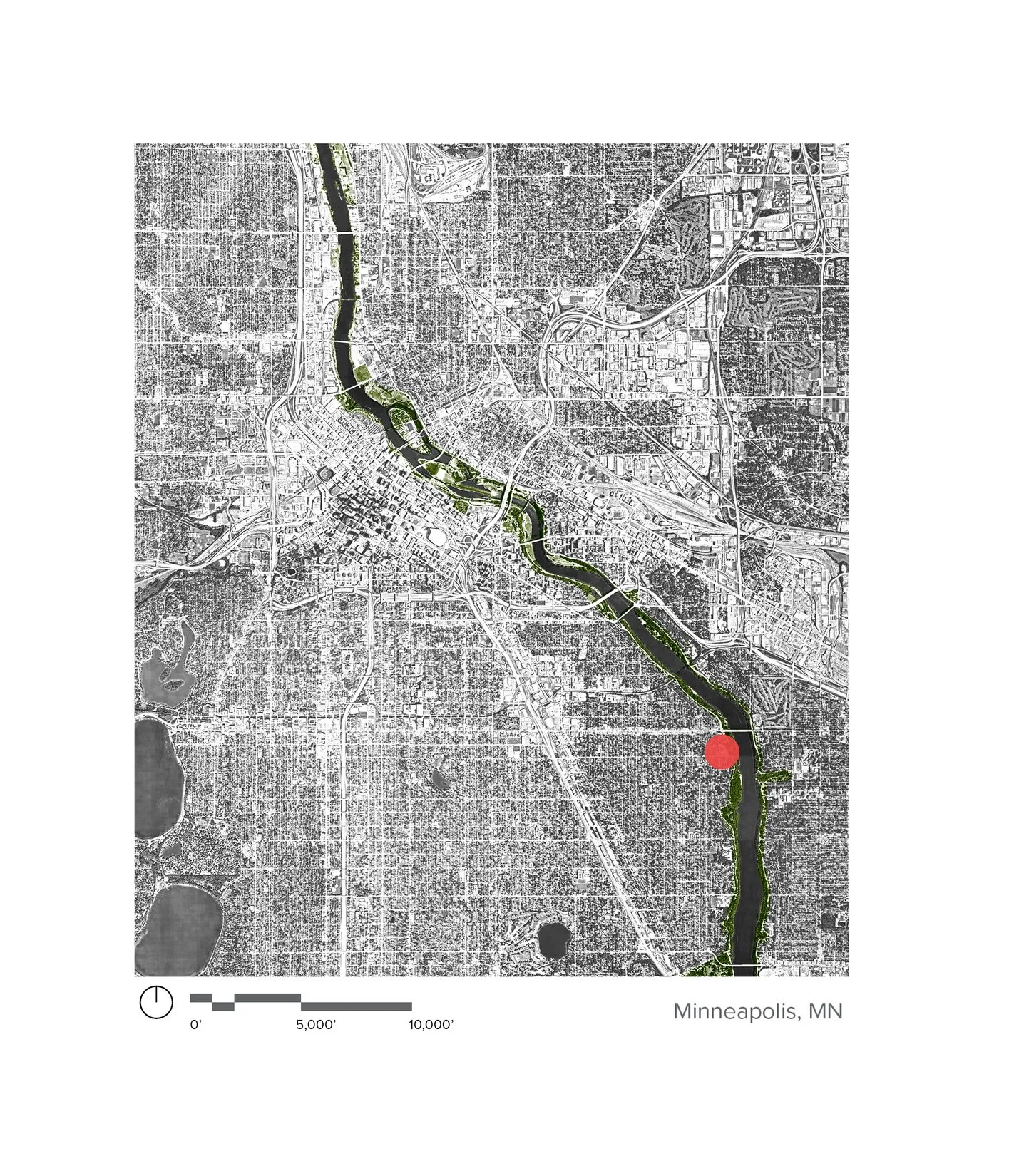
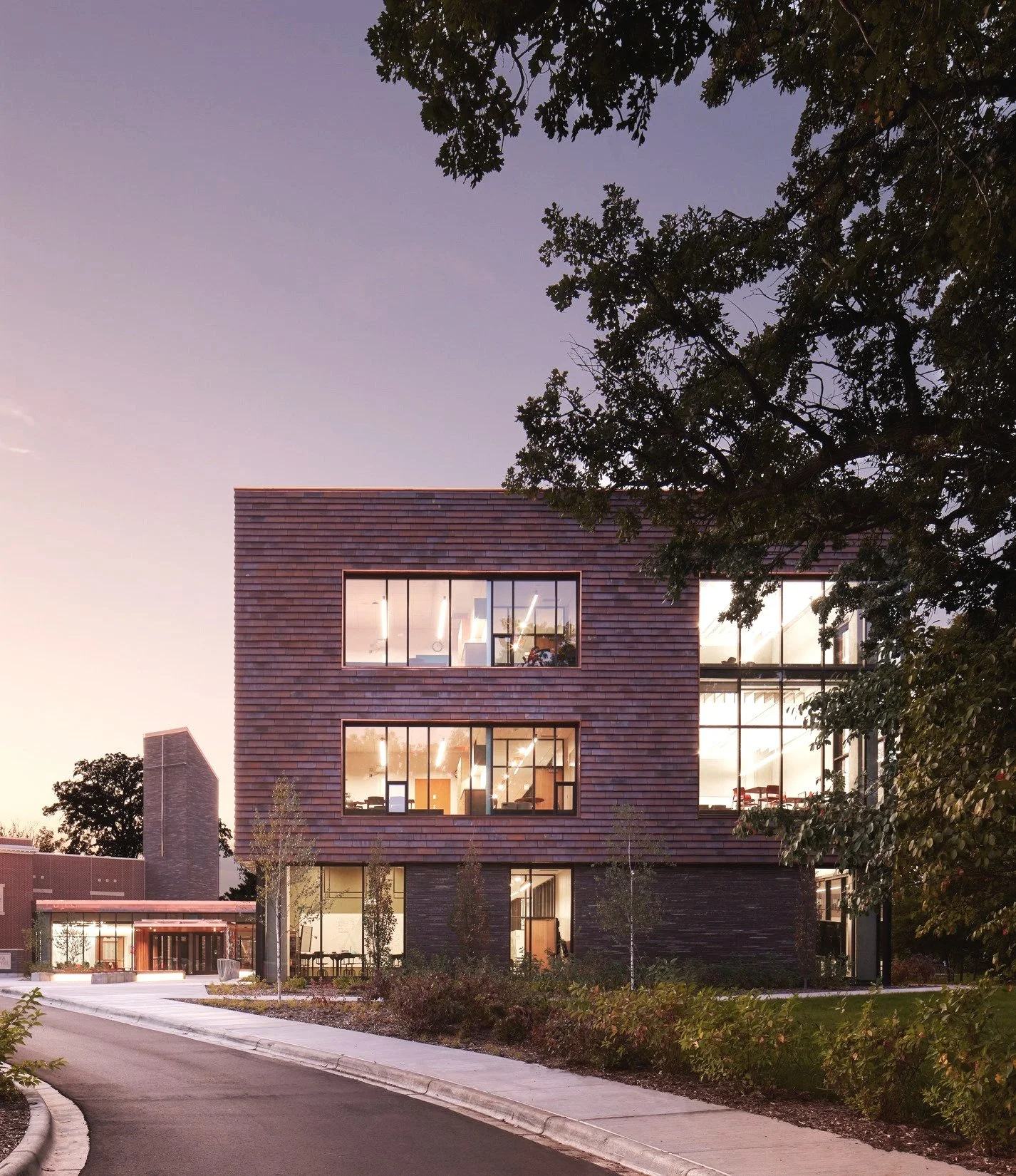
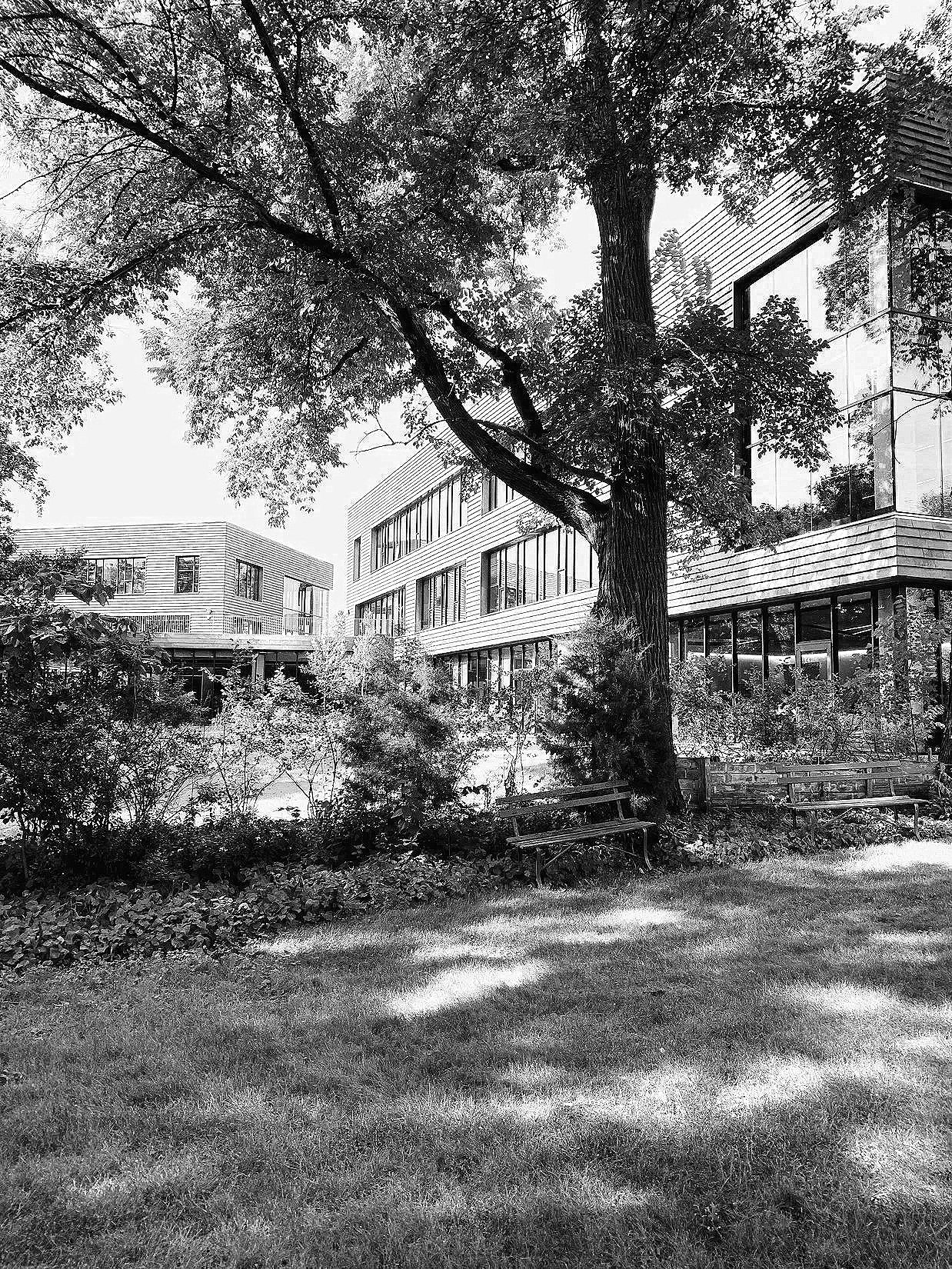
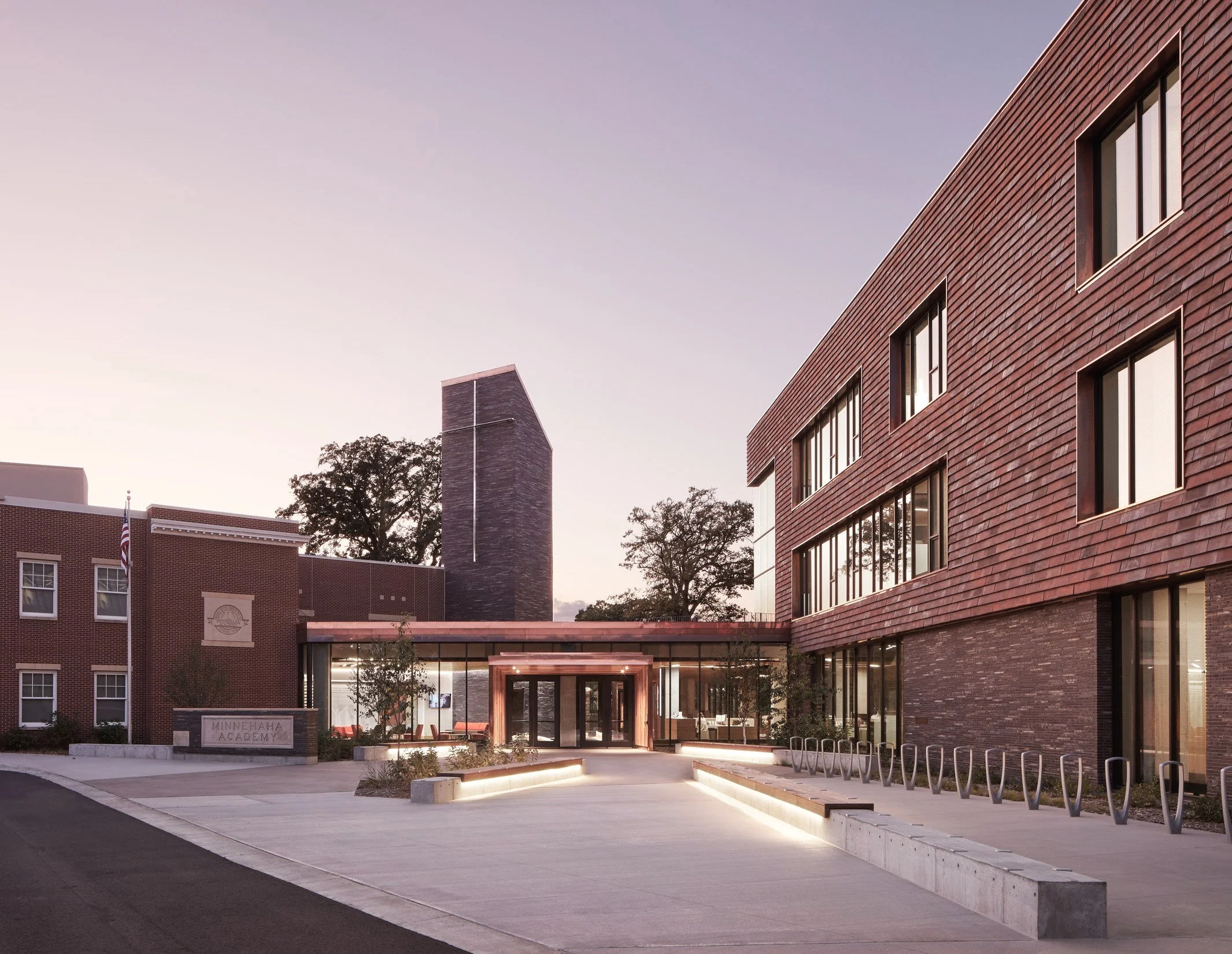
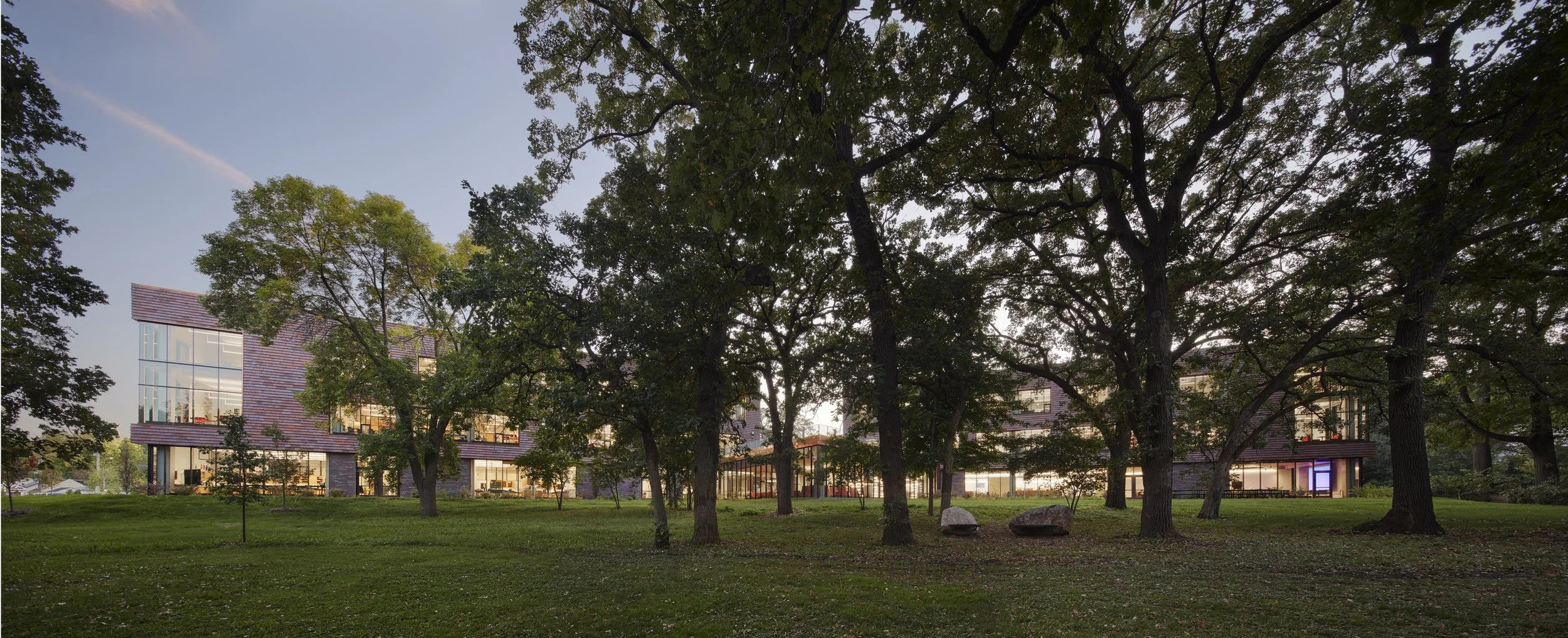
Rather than relocating, the Academy chose to rebuild on its historic campus, reaffirming its deep roots within the community and embracing a remarkable but previously underutilized asset: the wooded bluff overlooking the Mississippi River Gorge. The new campus transforms this extraordinary setting into an integral part of the educational experience, creating a place where learning, faith, nature, and community are inseparably connected.
A Campus Connected to Nature
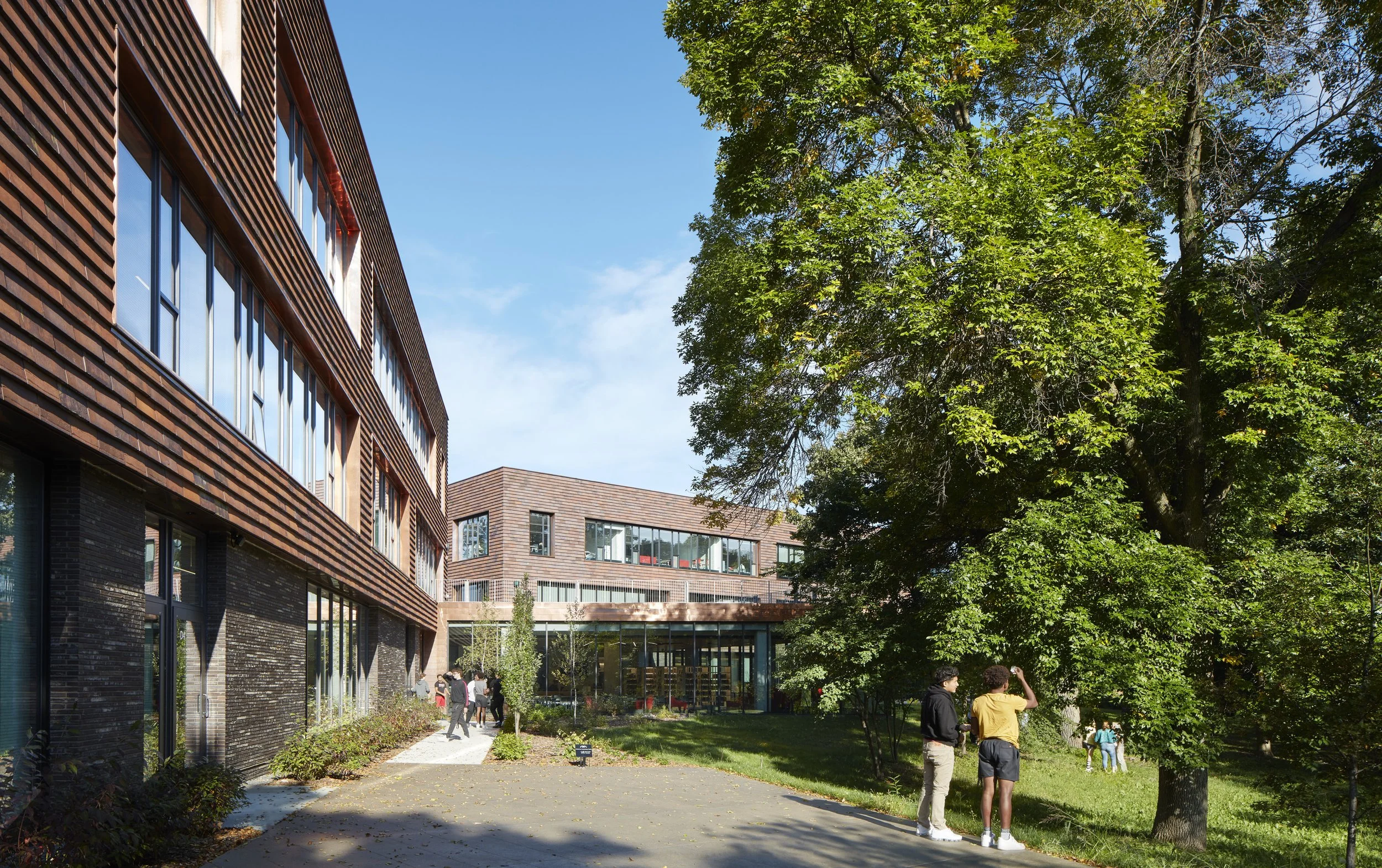
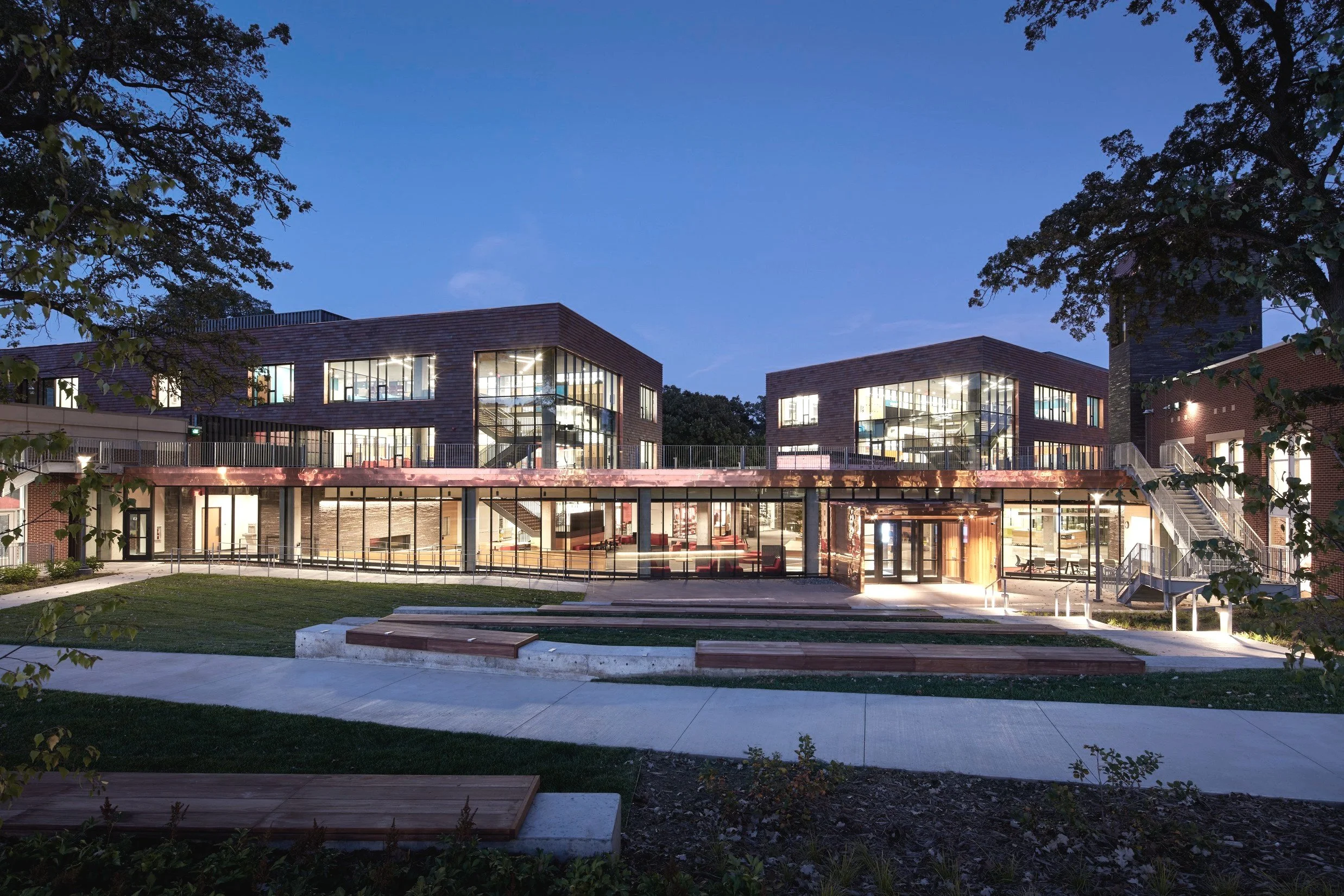
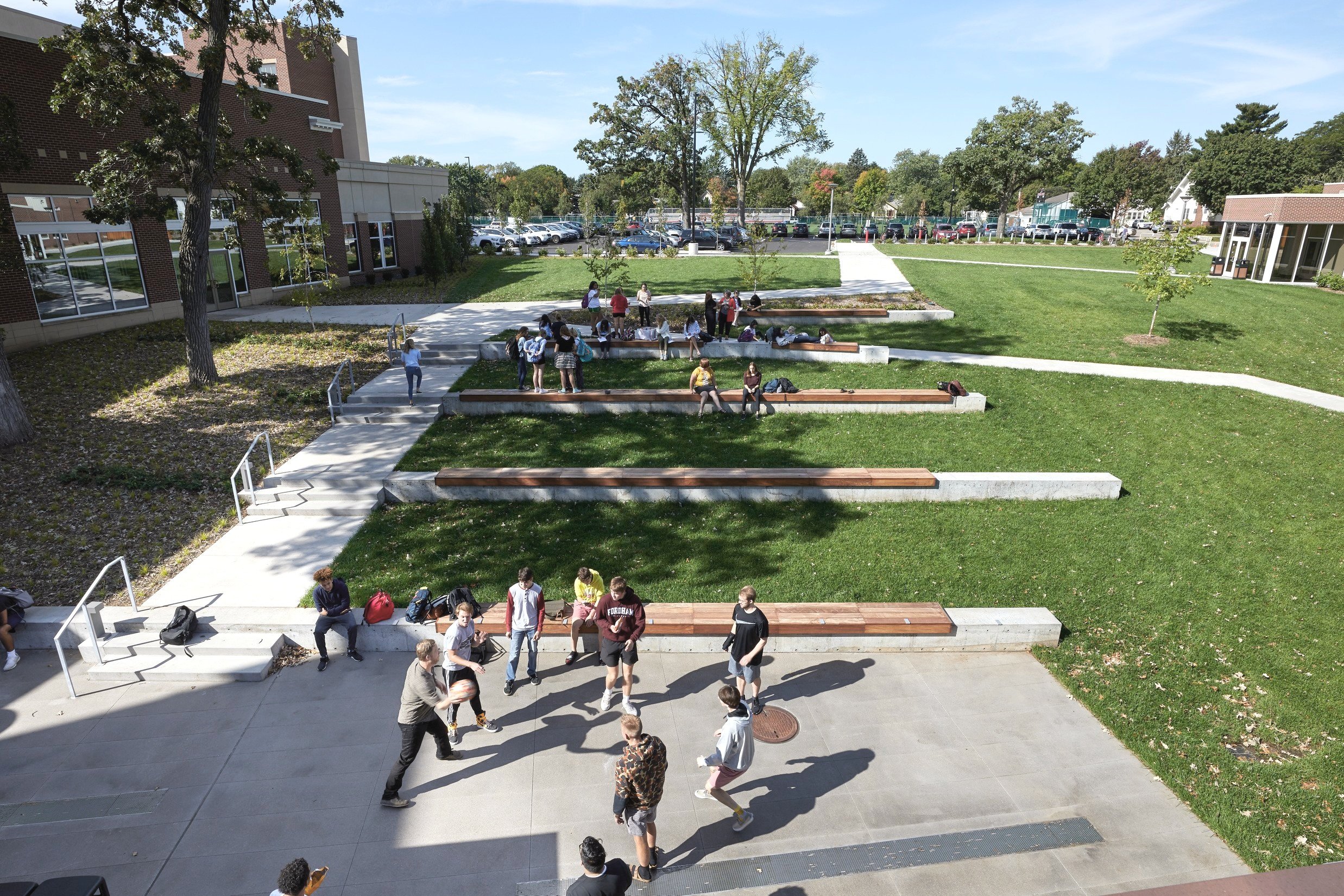
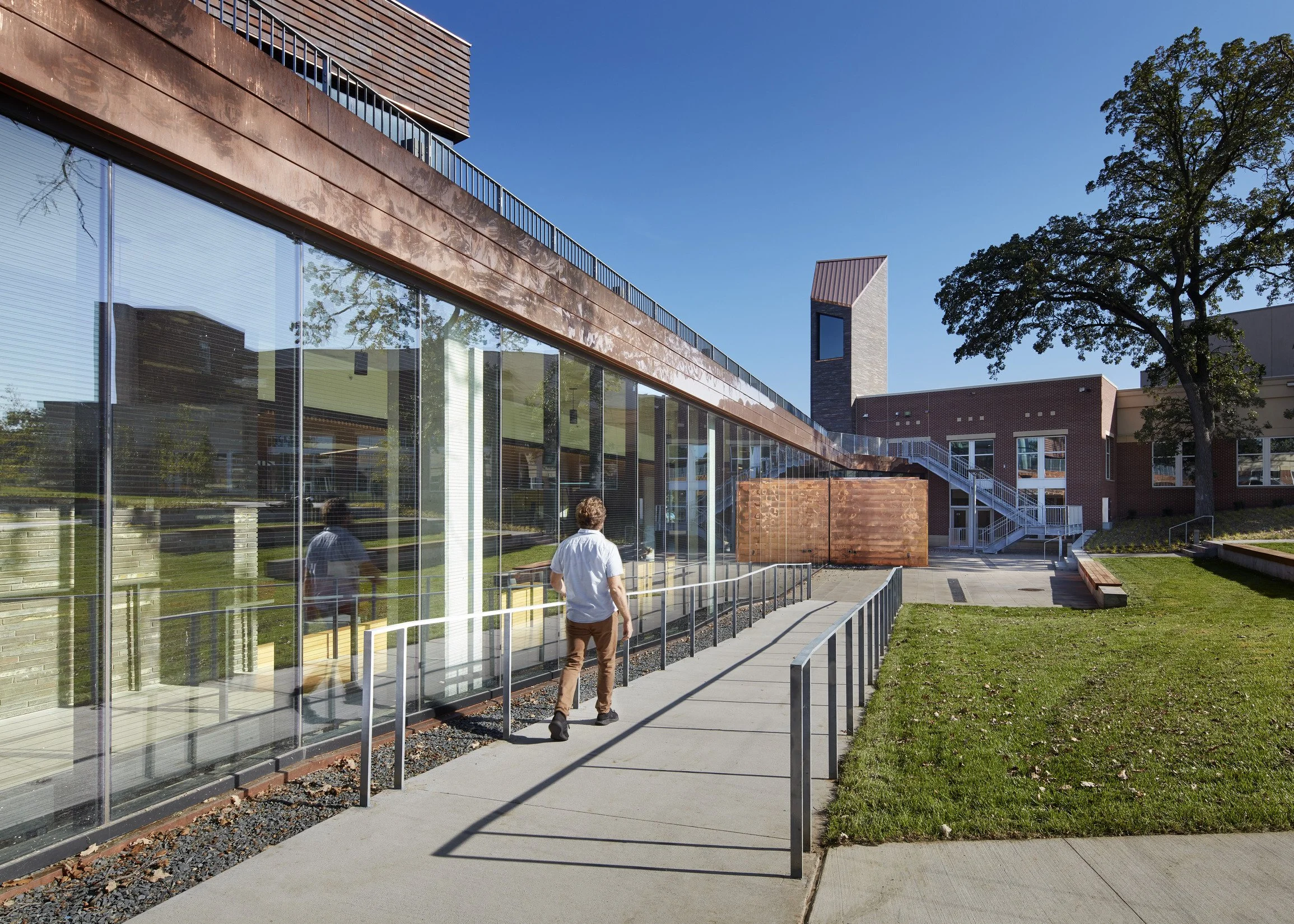
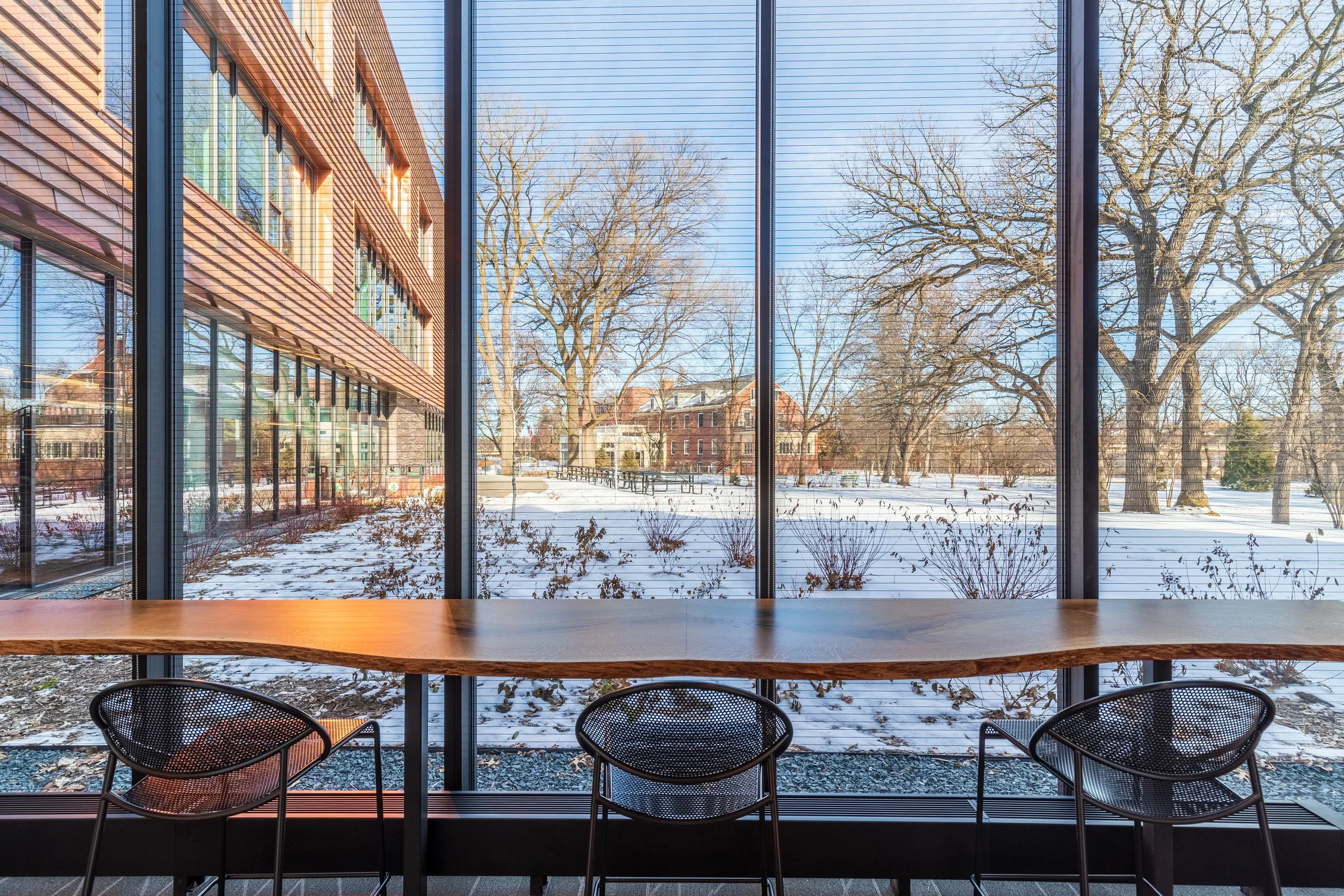
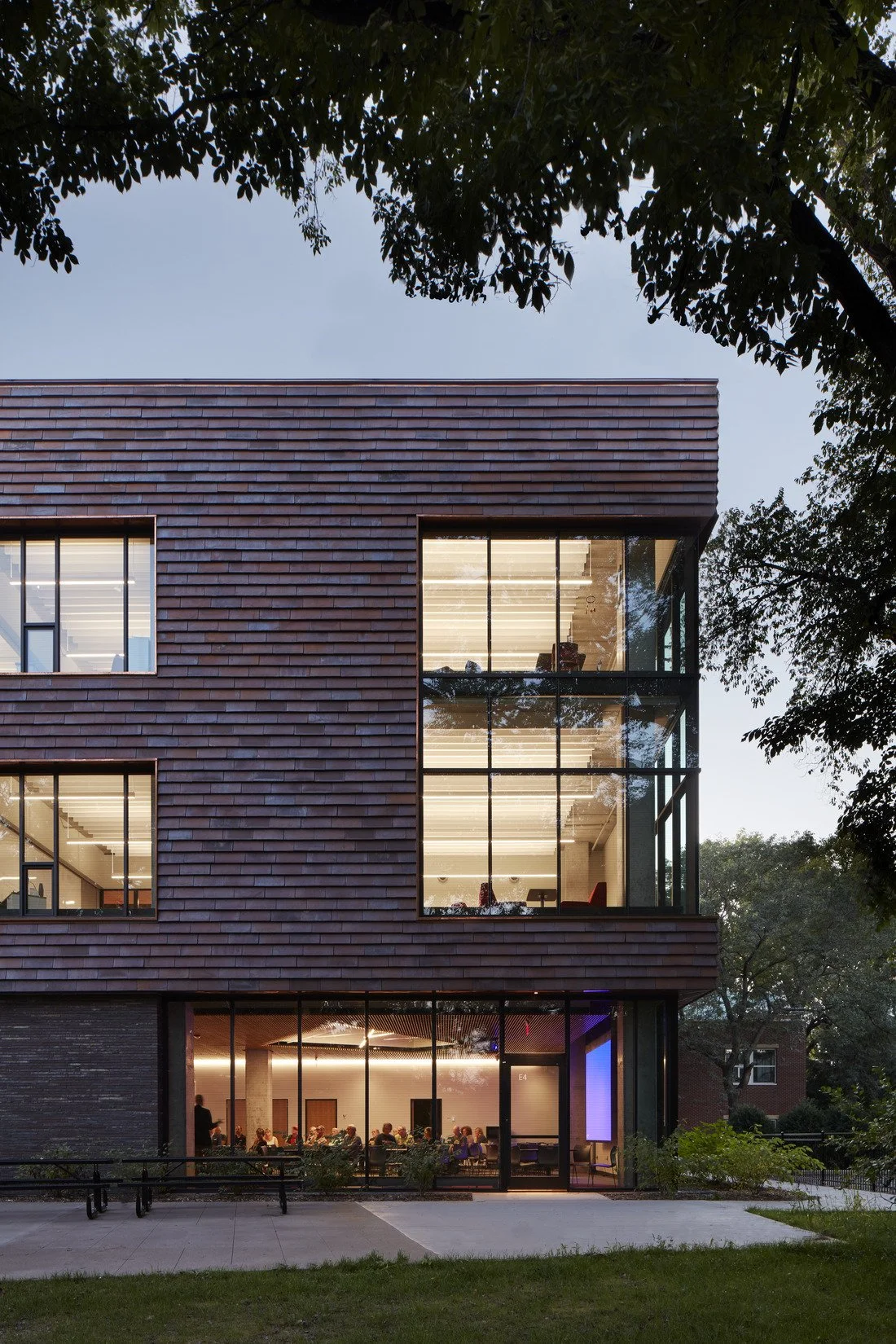
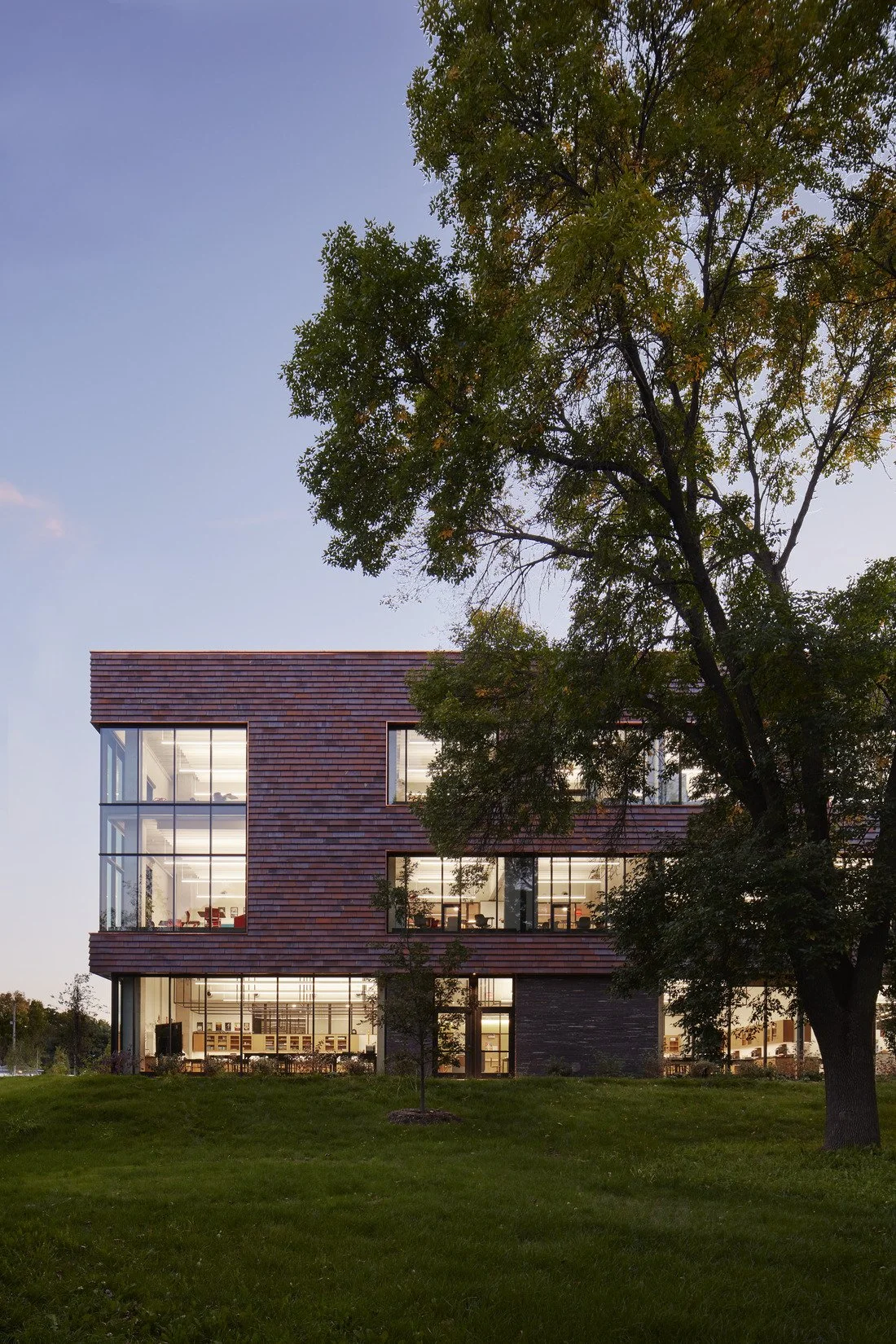
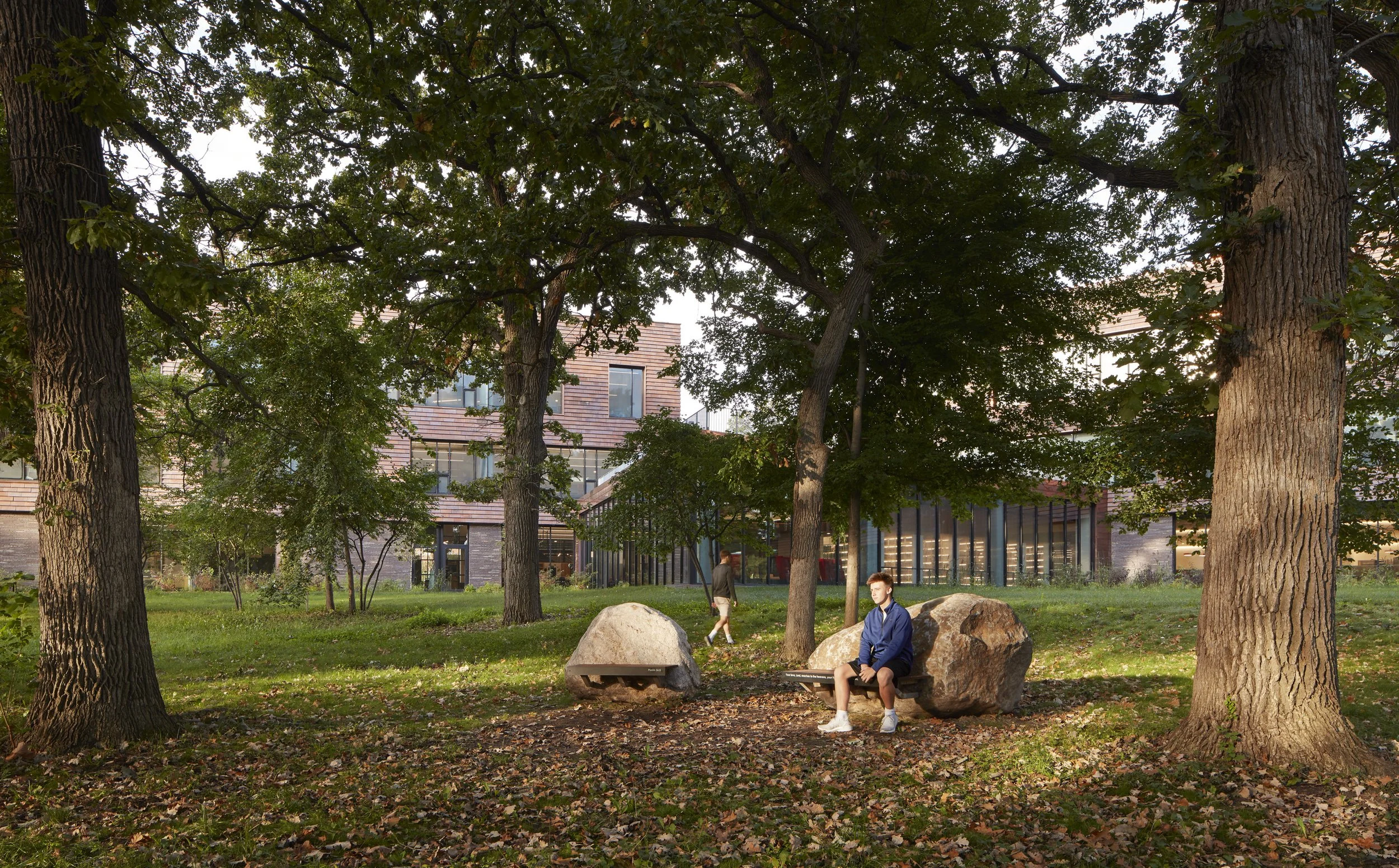
The design is guided by the belief that the environment itself can become a teacher. Nestled along the historic West River Parkway, the new Upper School dissolves the traditional boundaries between indoor and outdoor learning, allowing students to remain constantly connected to the surrounding landscape.
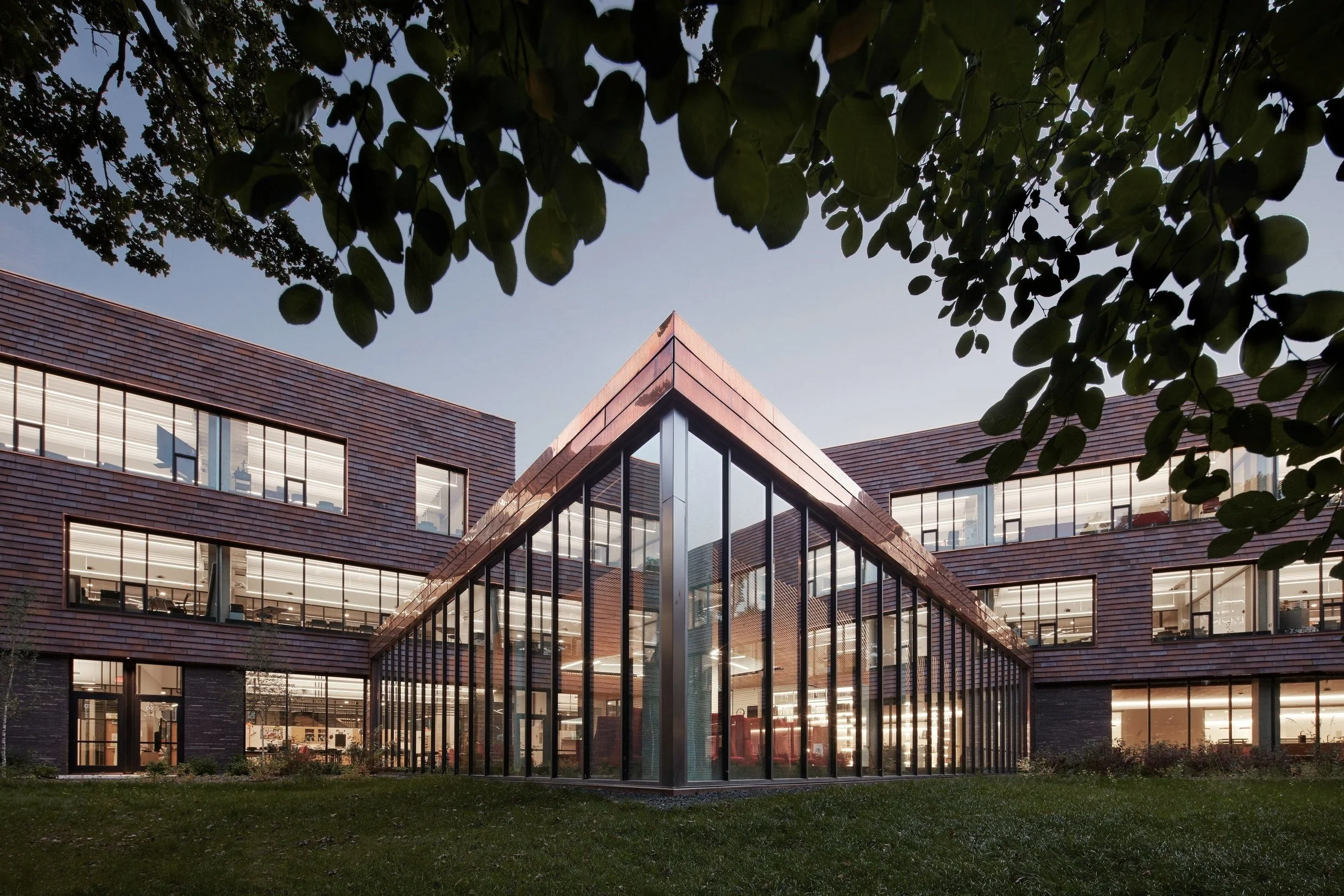
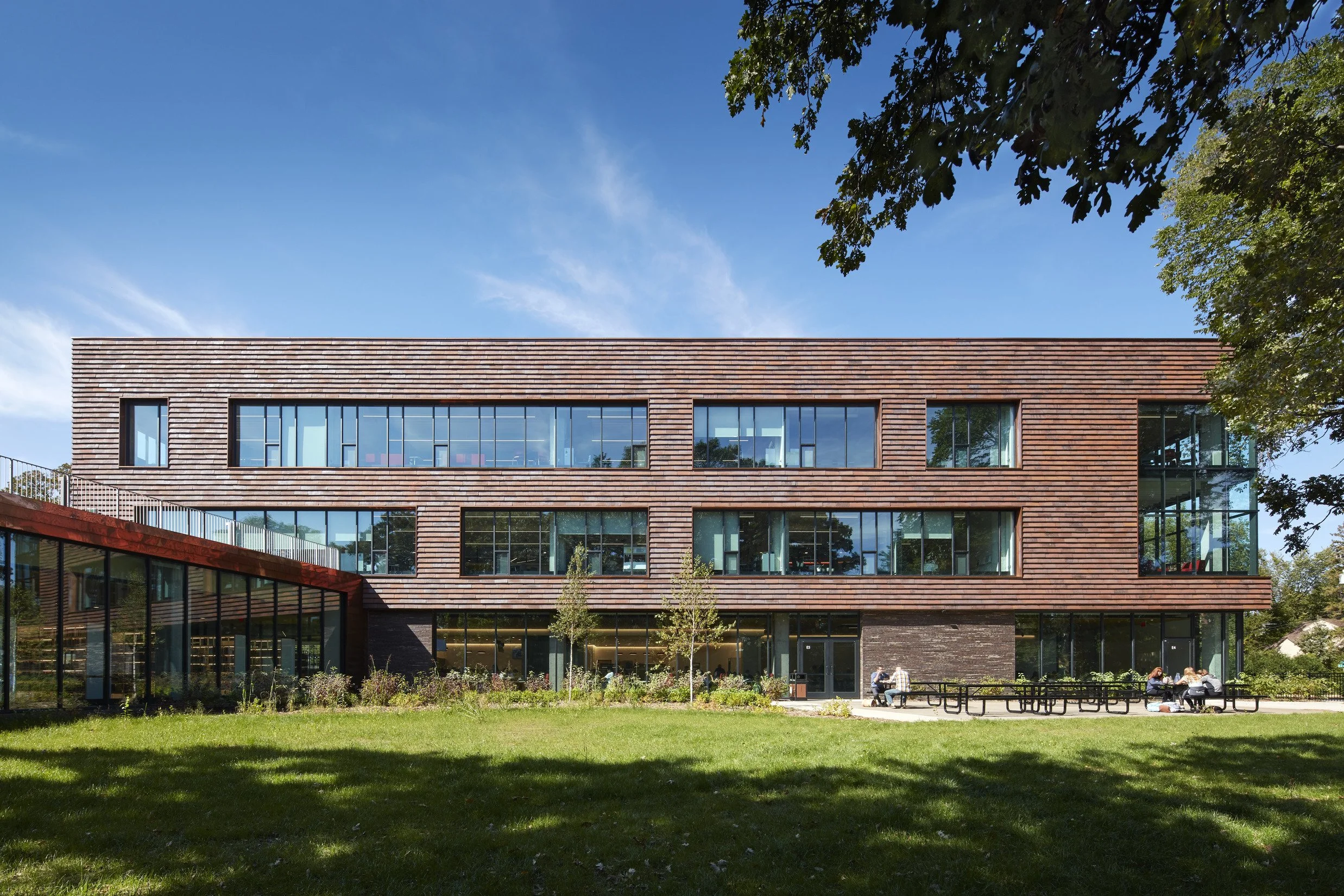
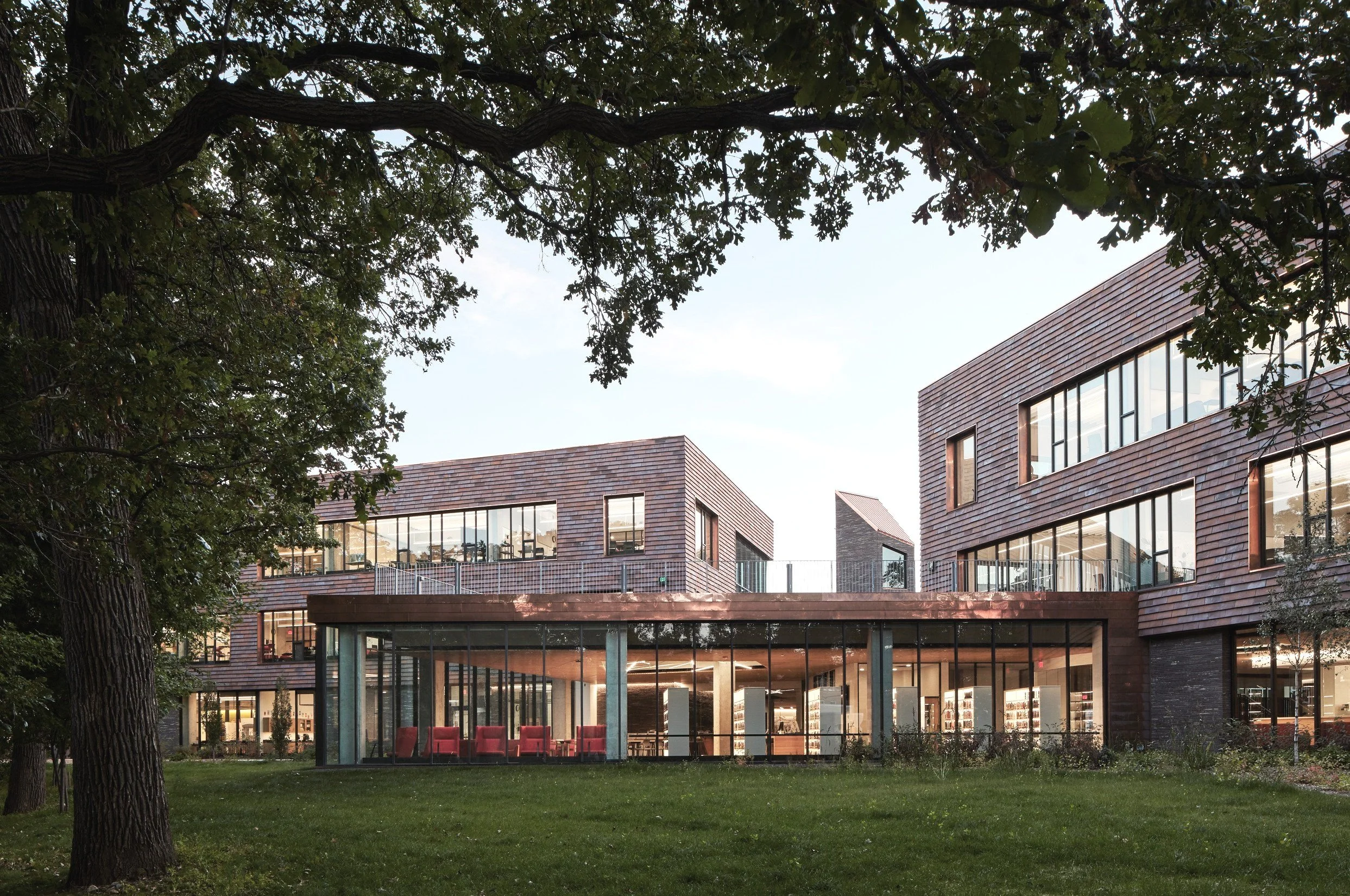
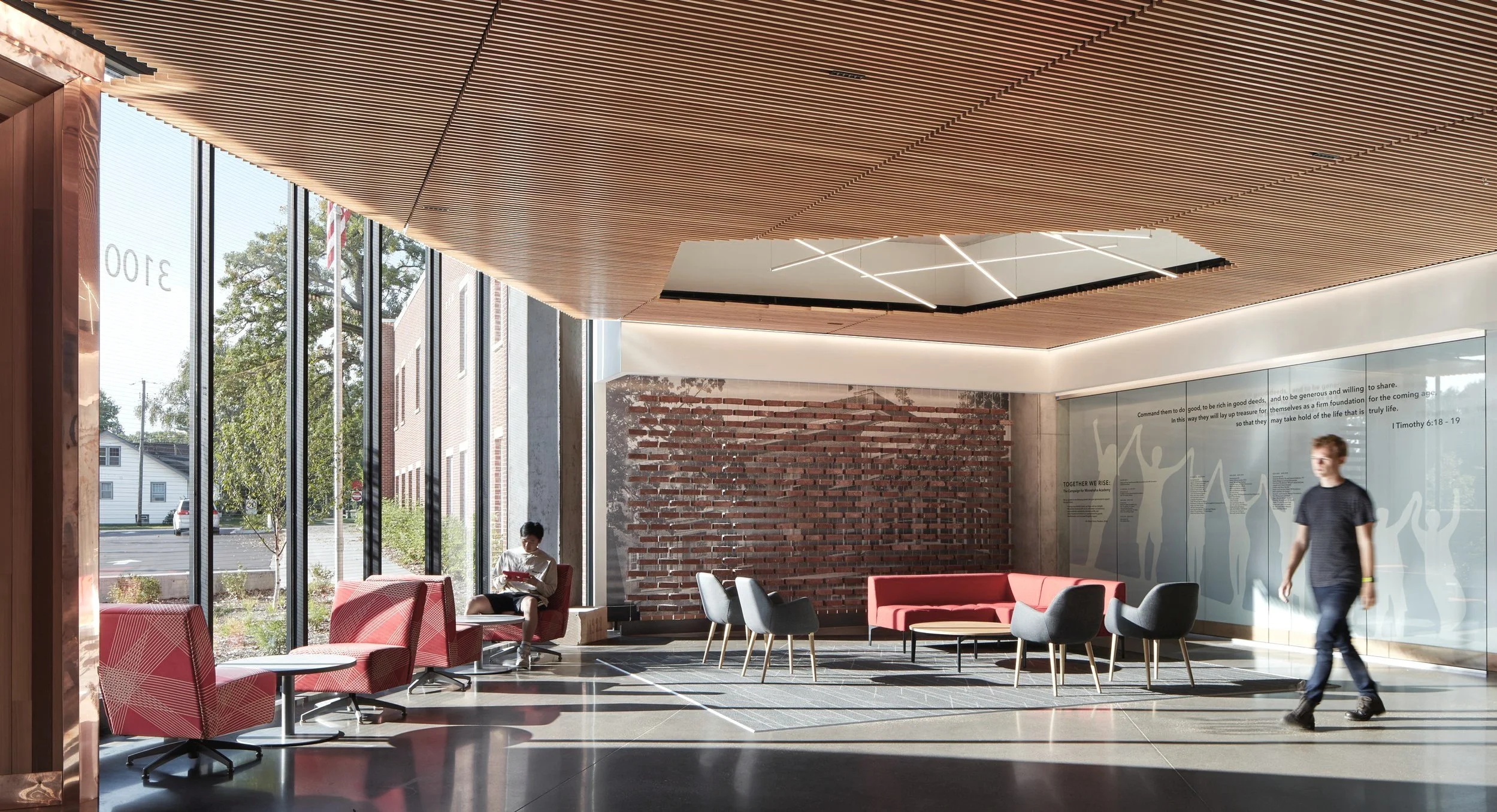
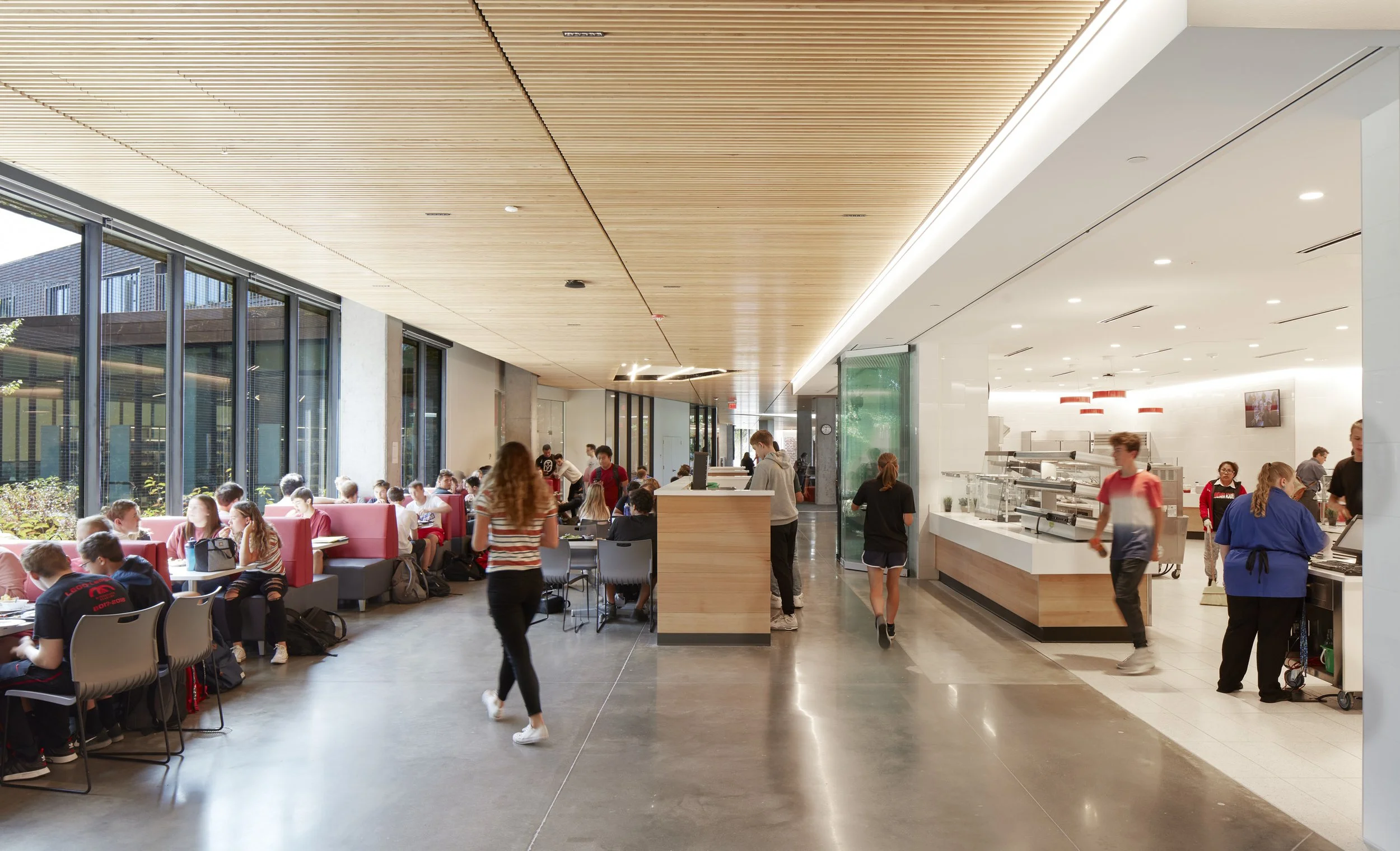
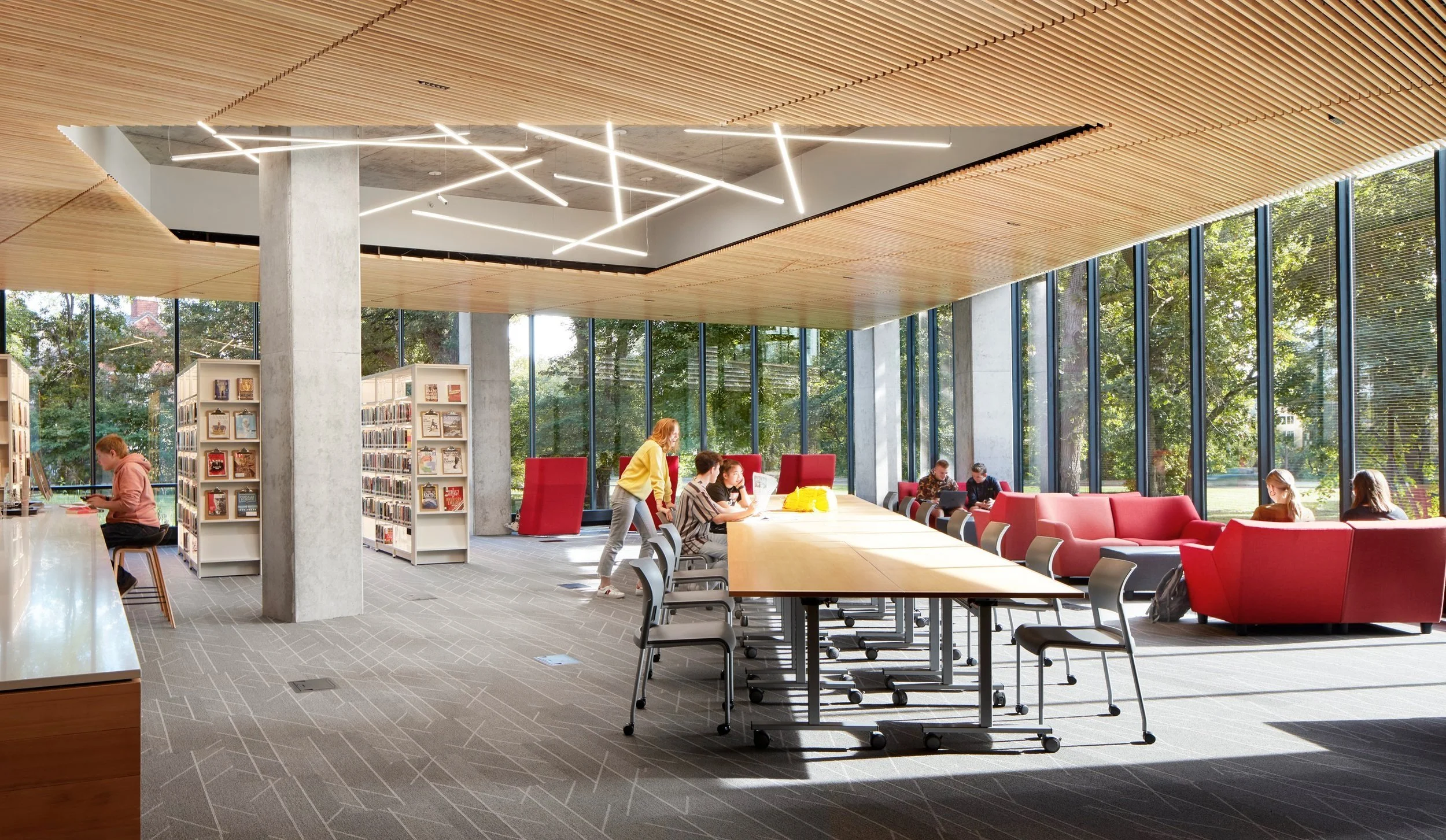
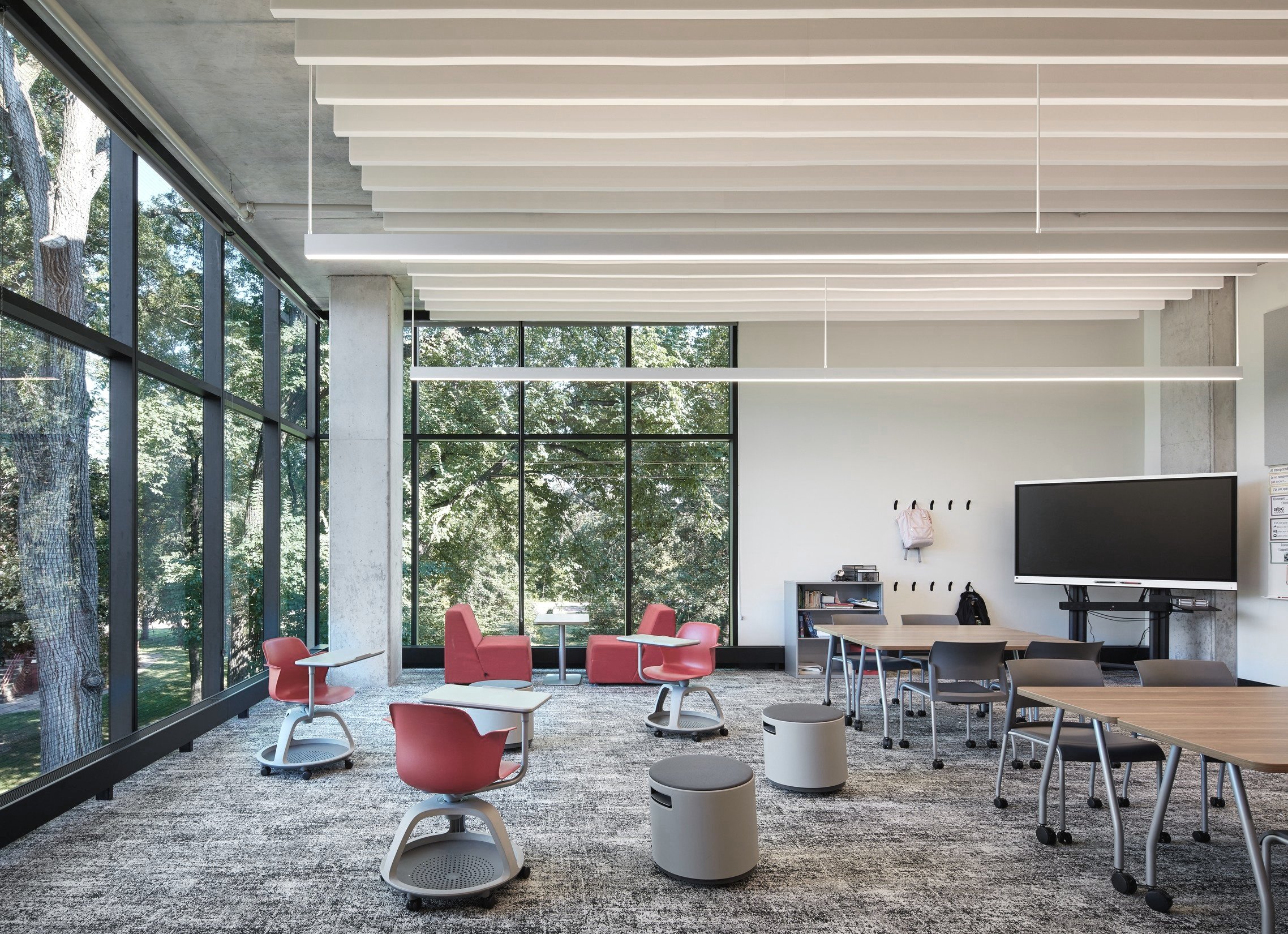
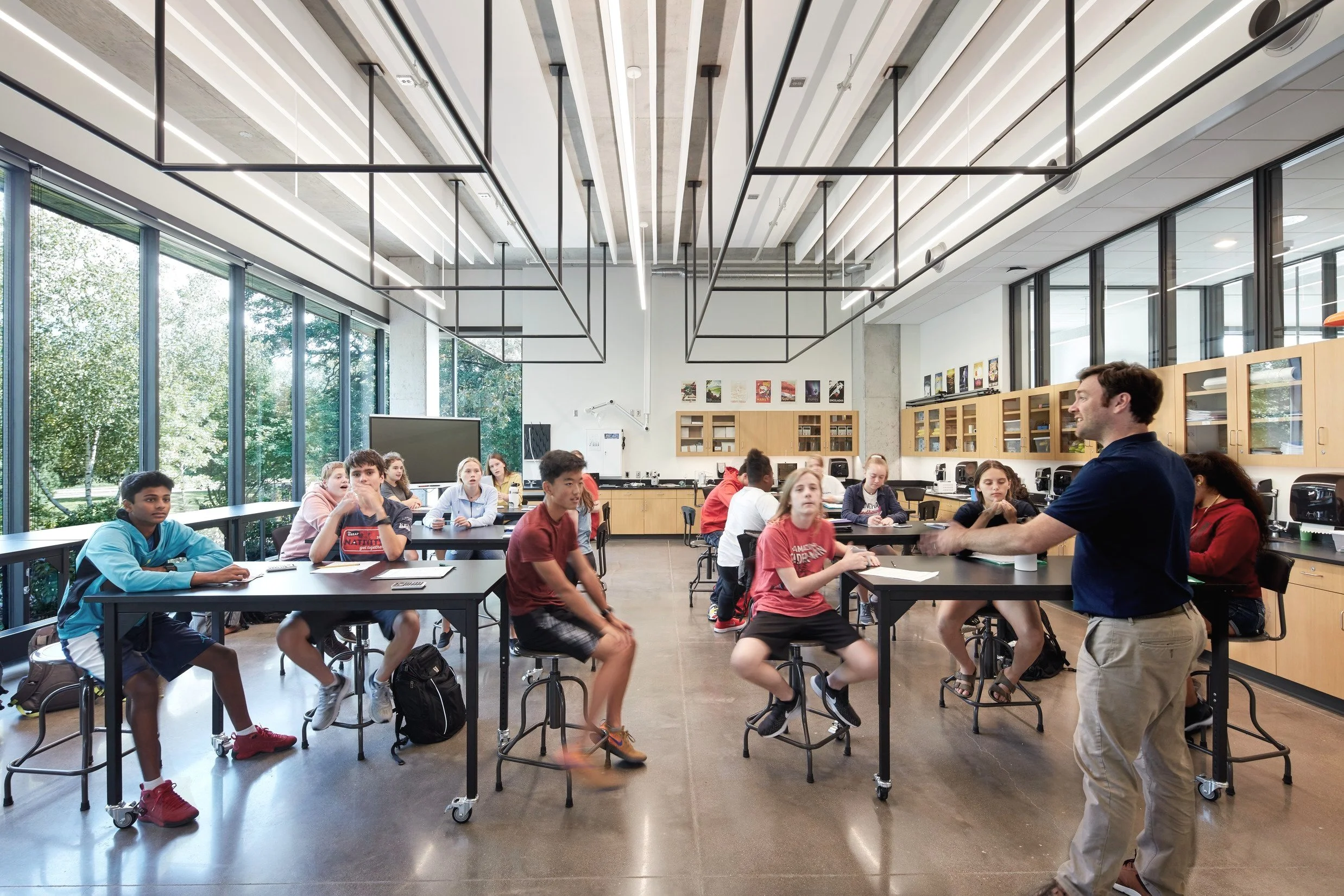
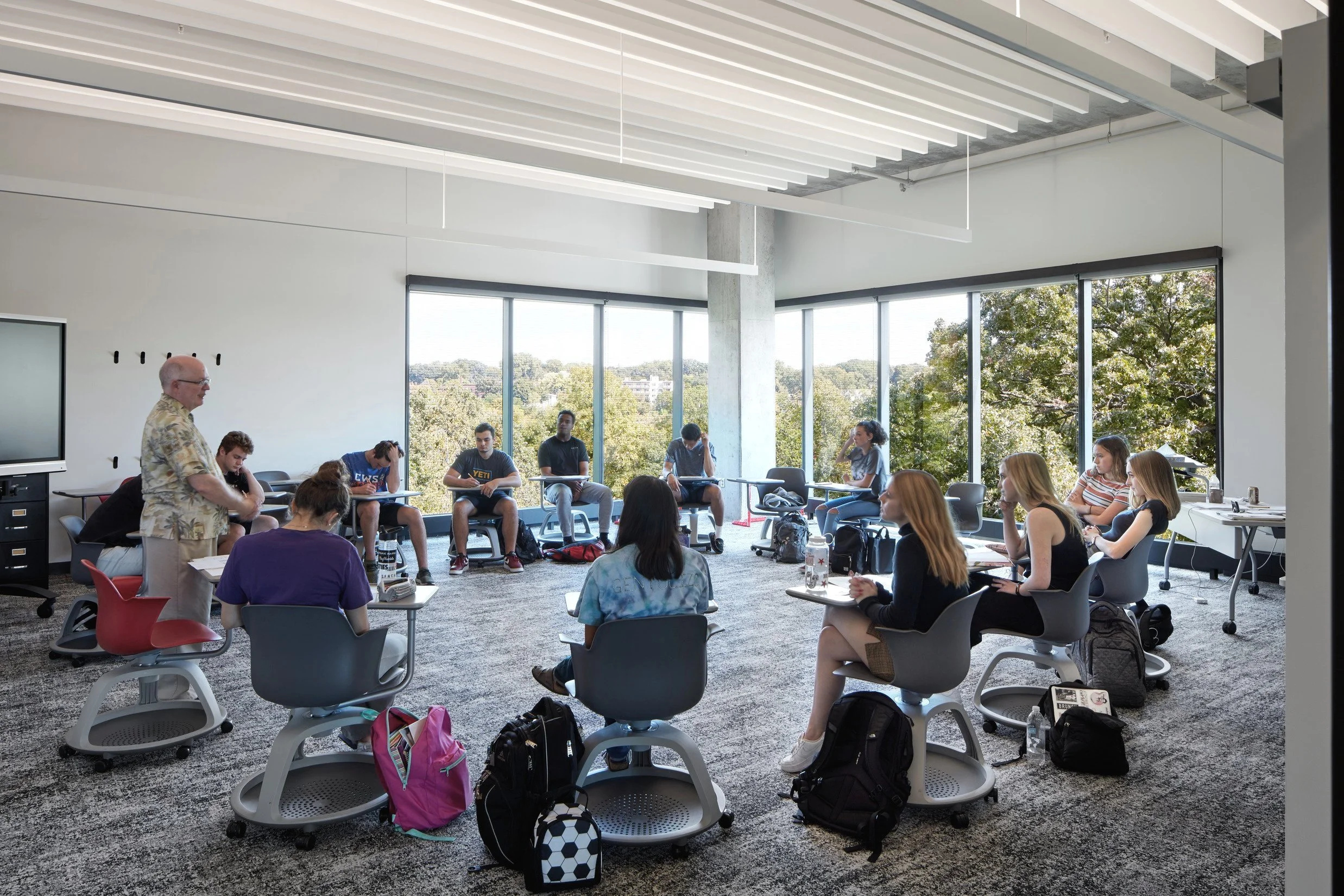
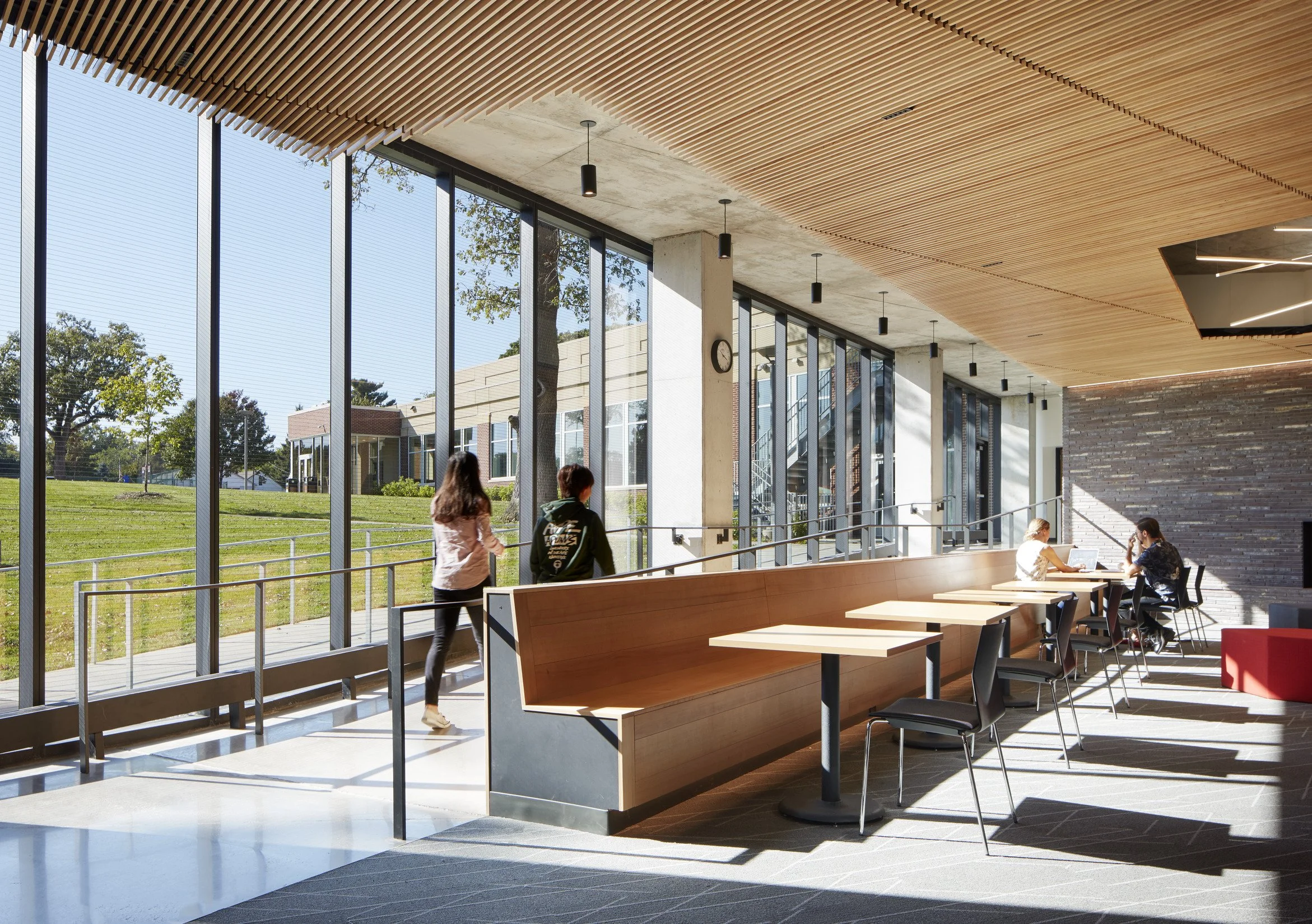
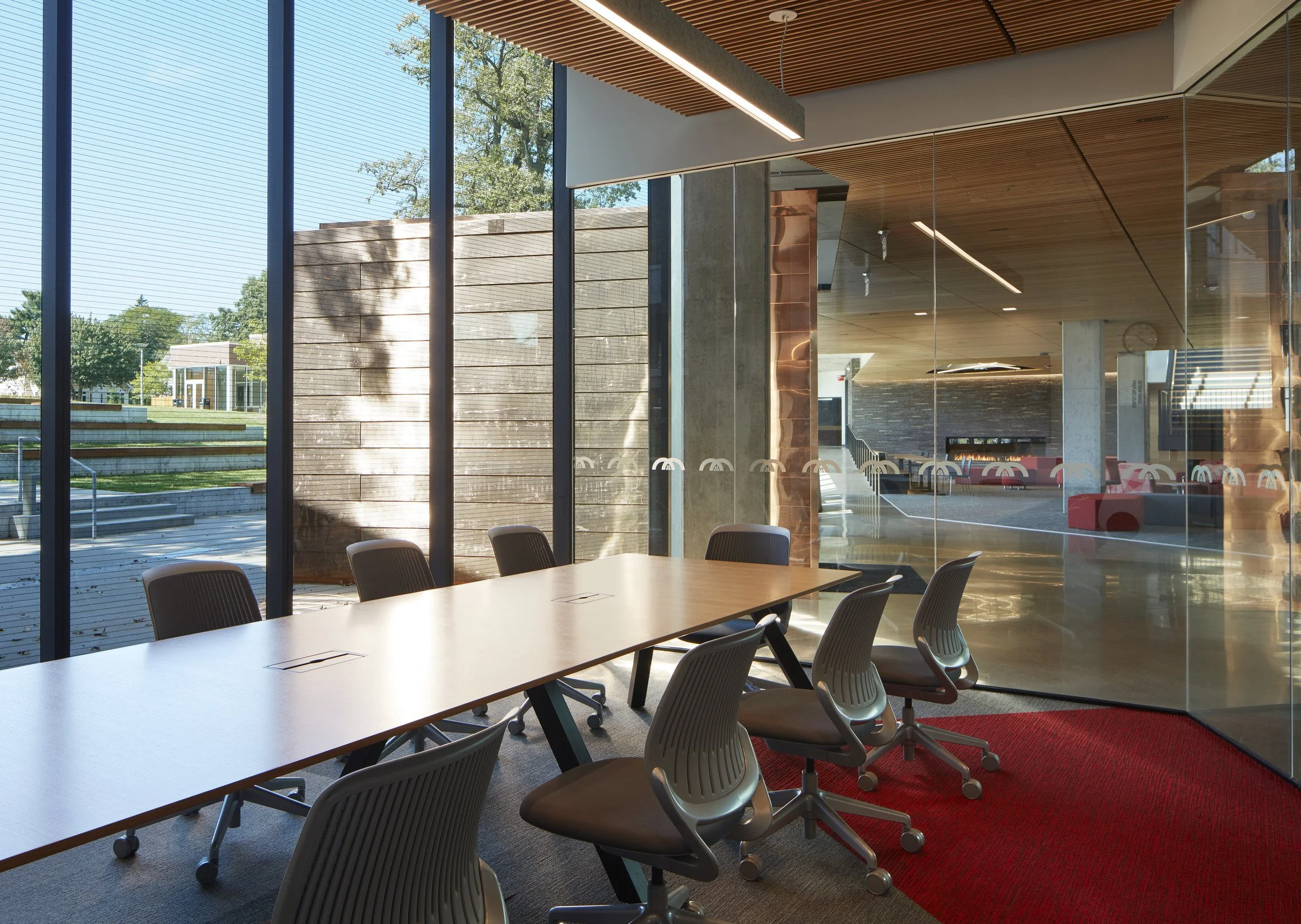
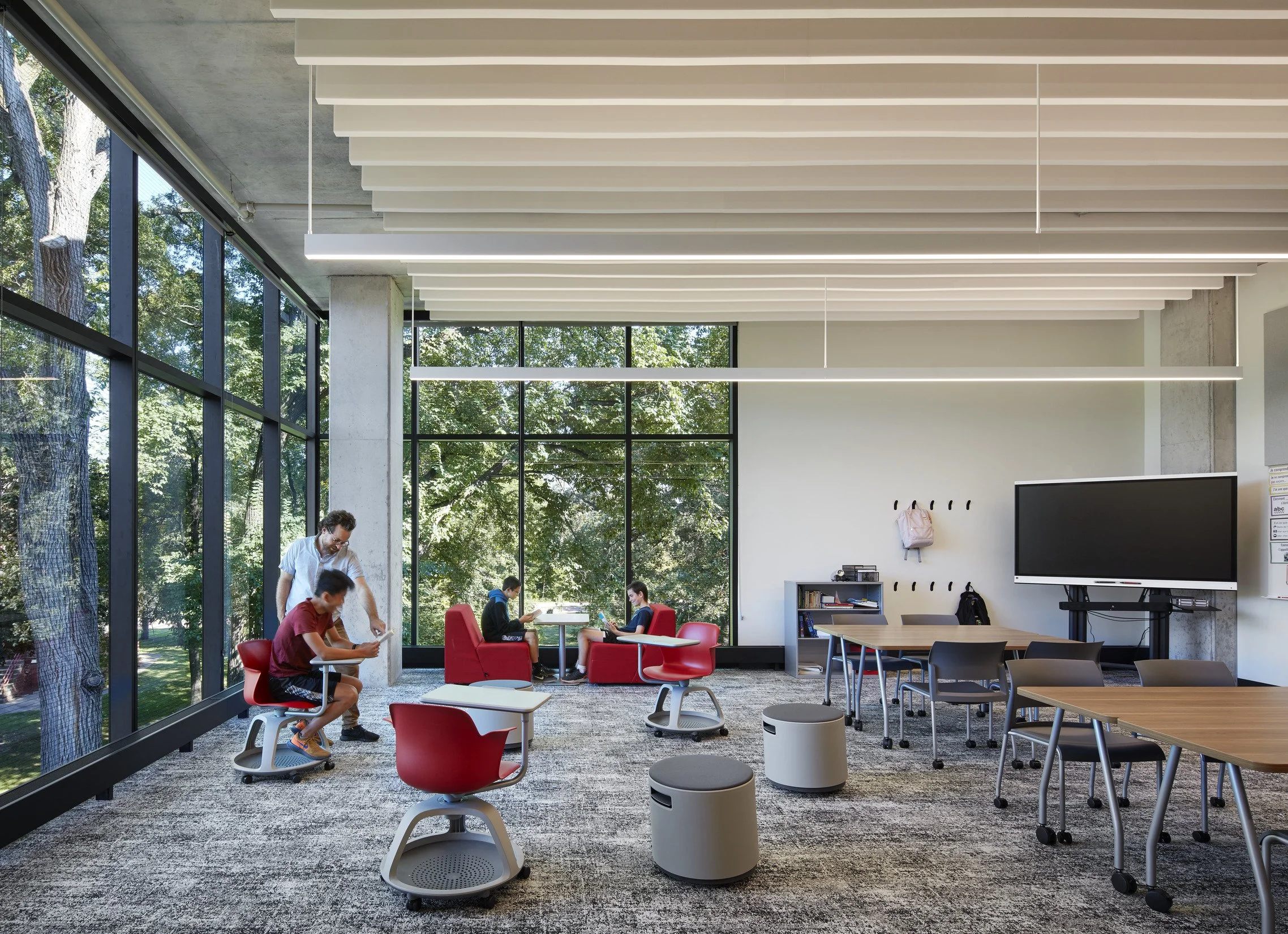
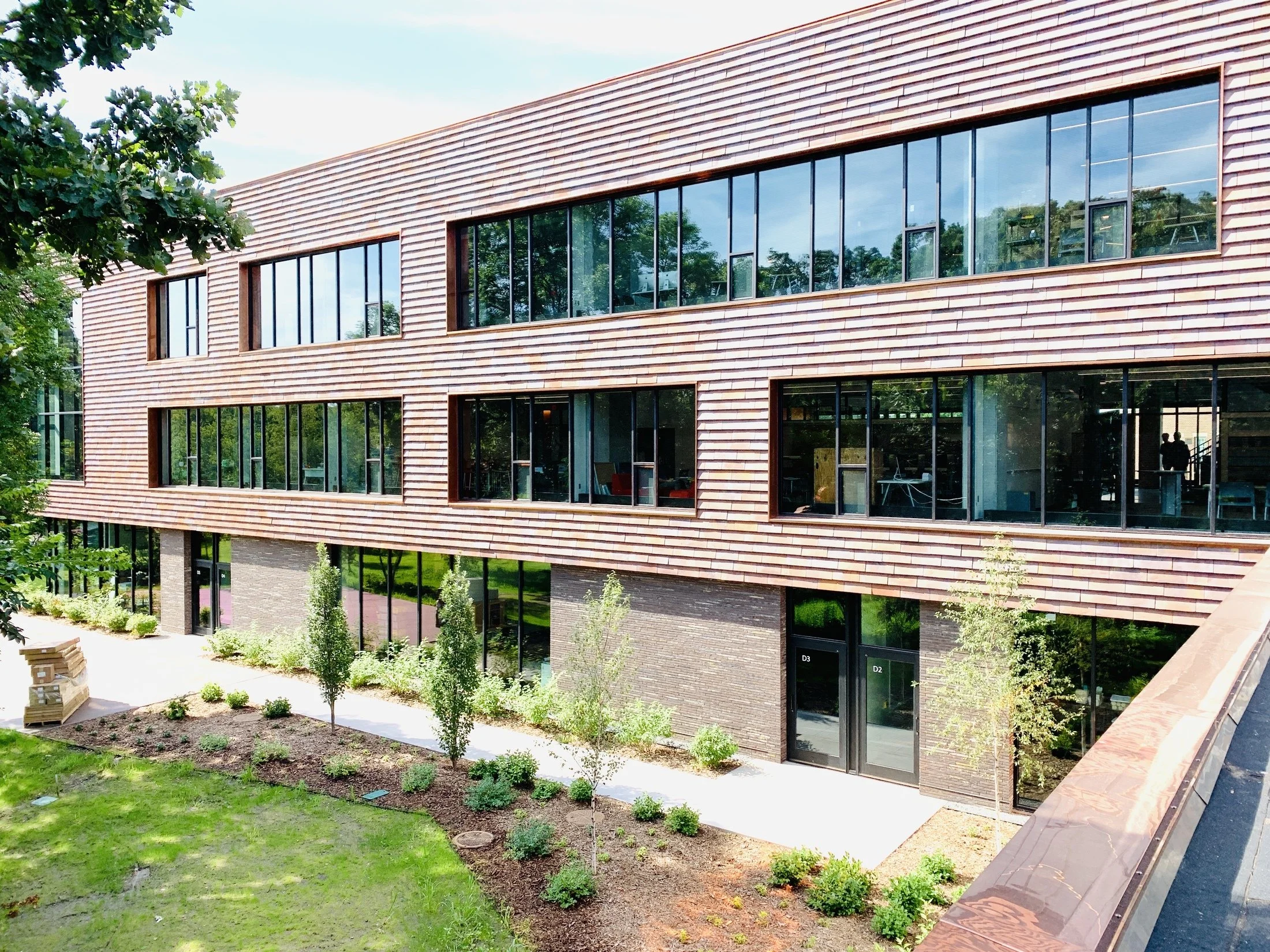
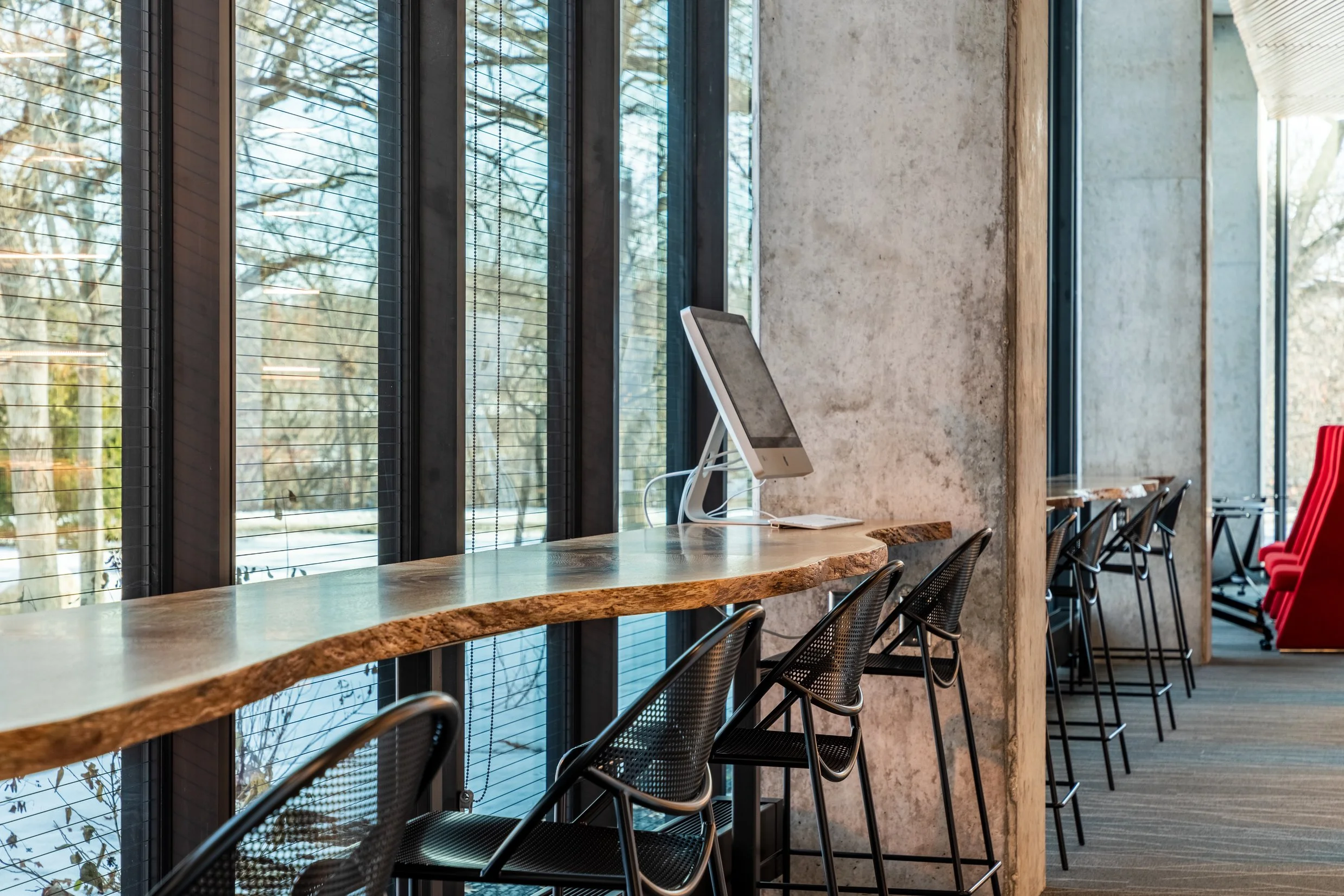
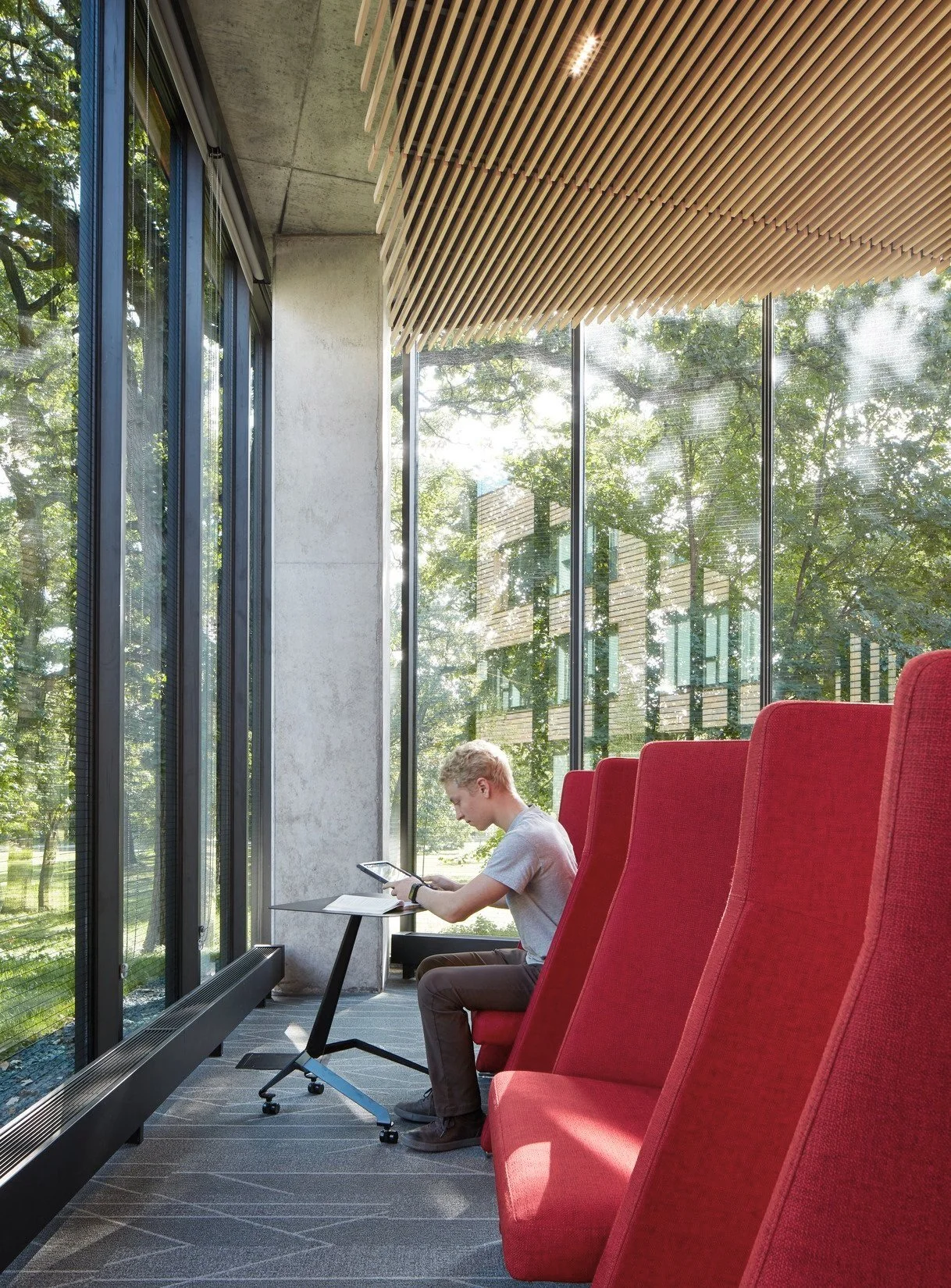
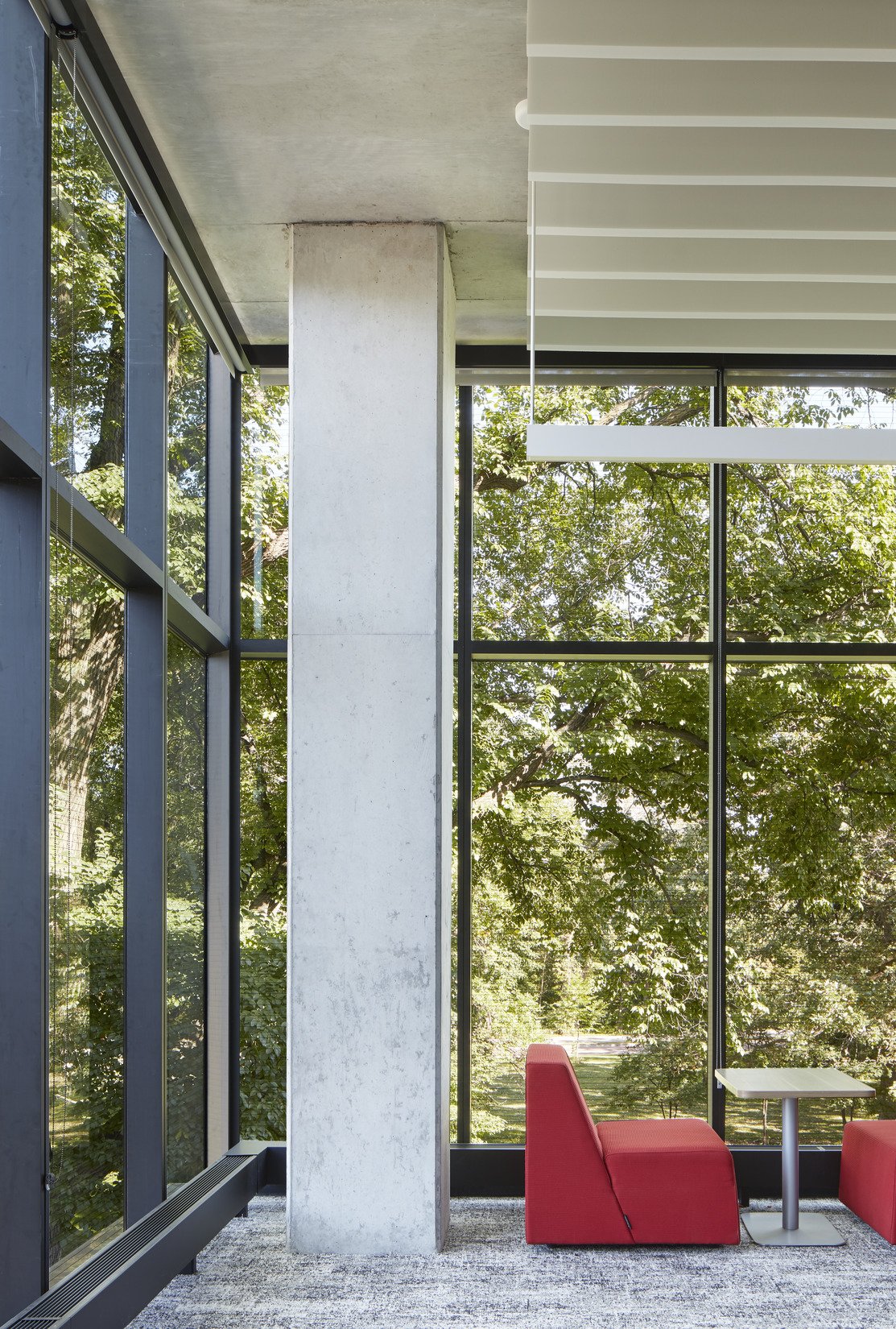
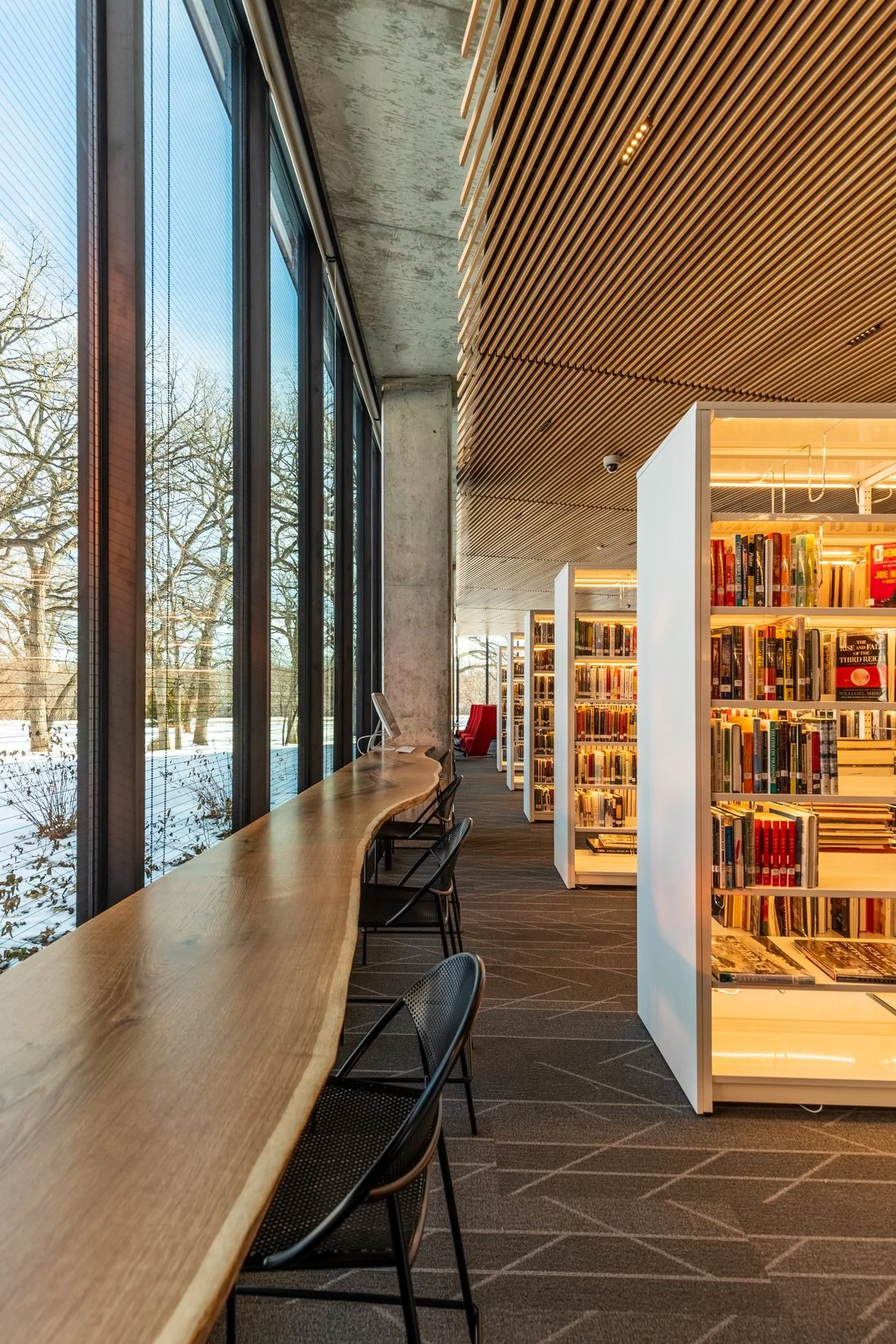
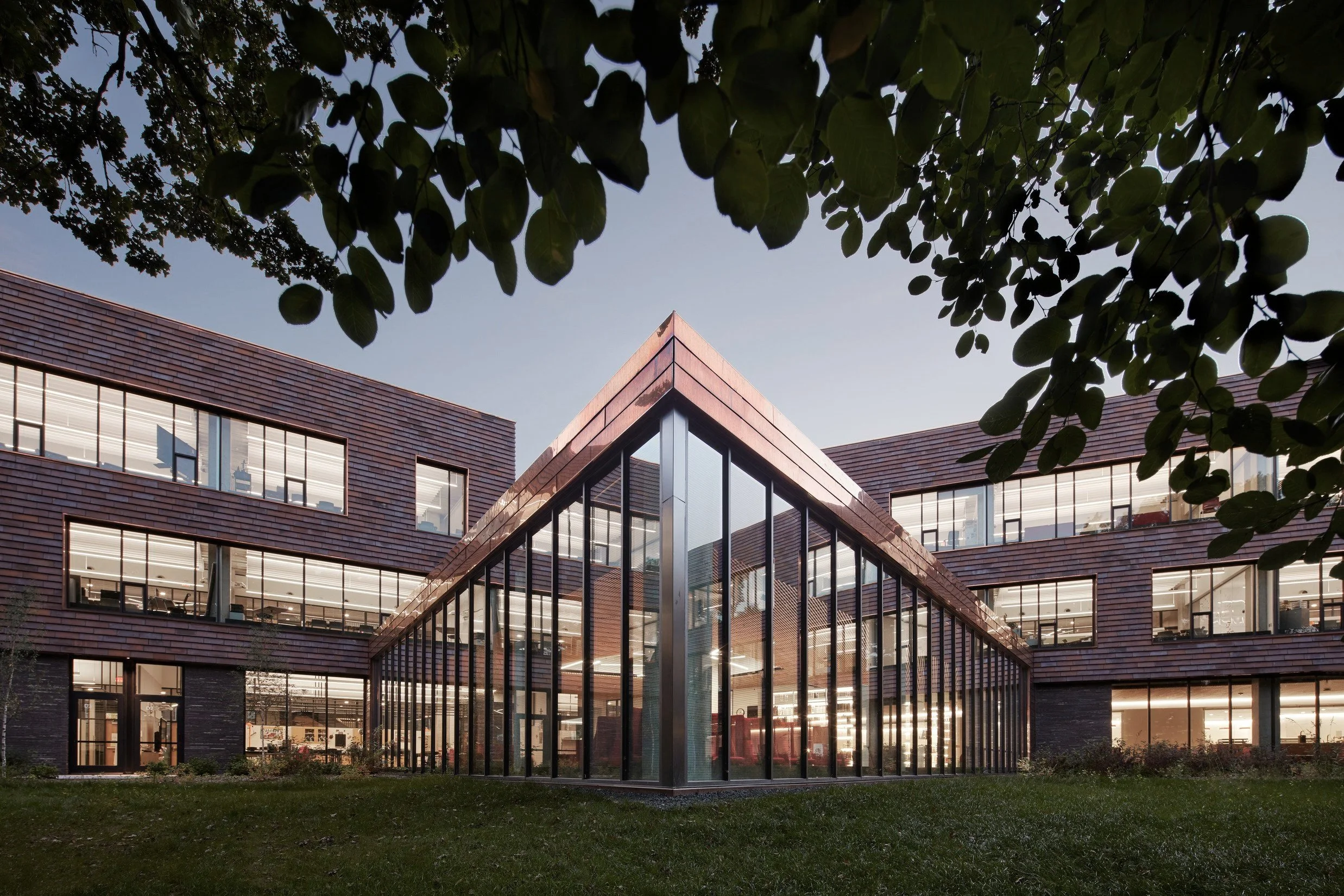
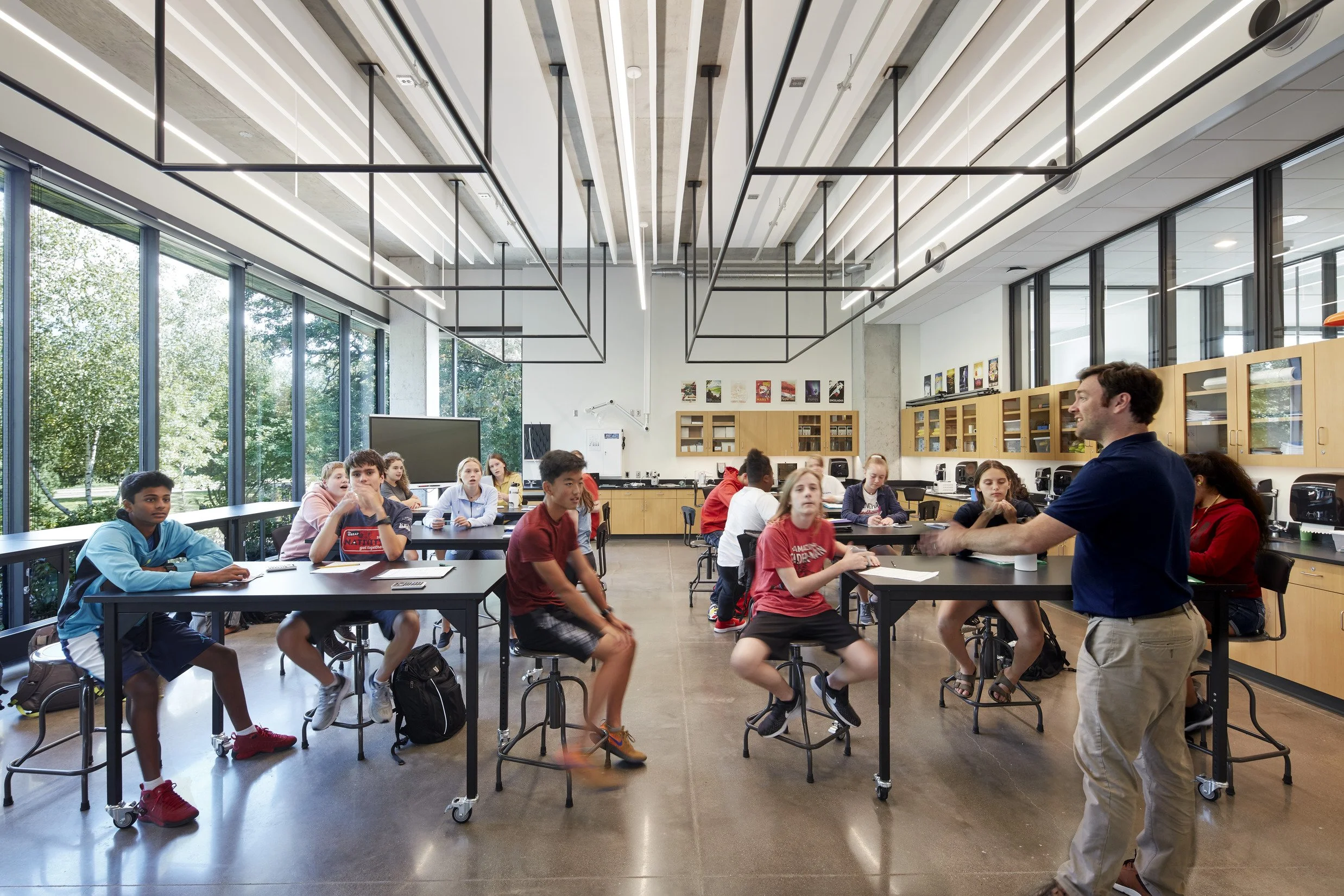
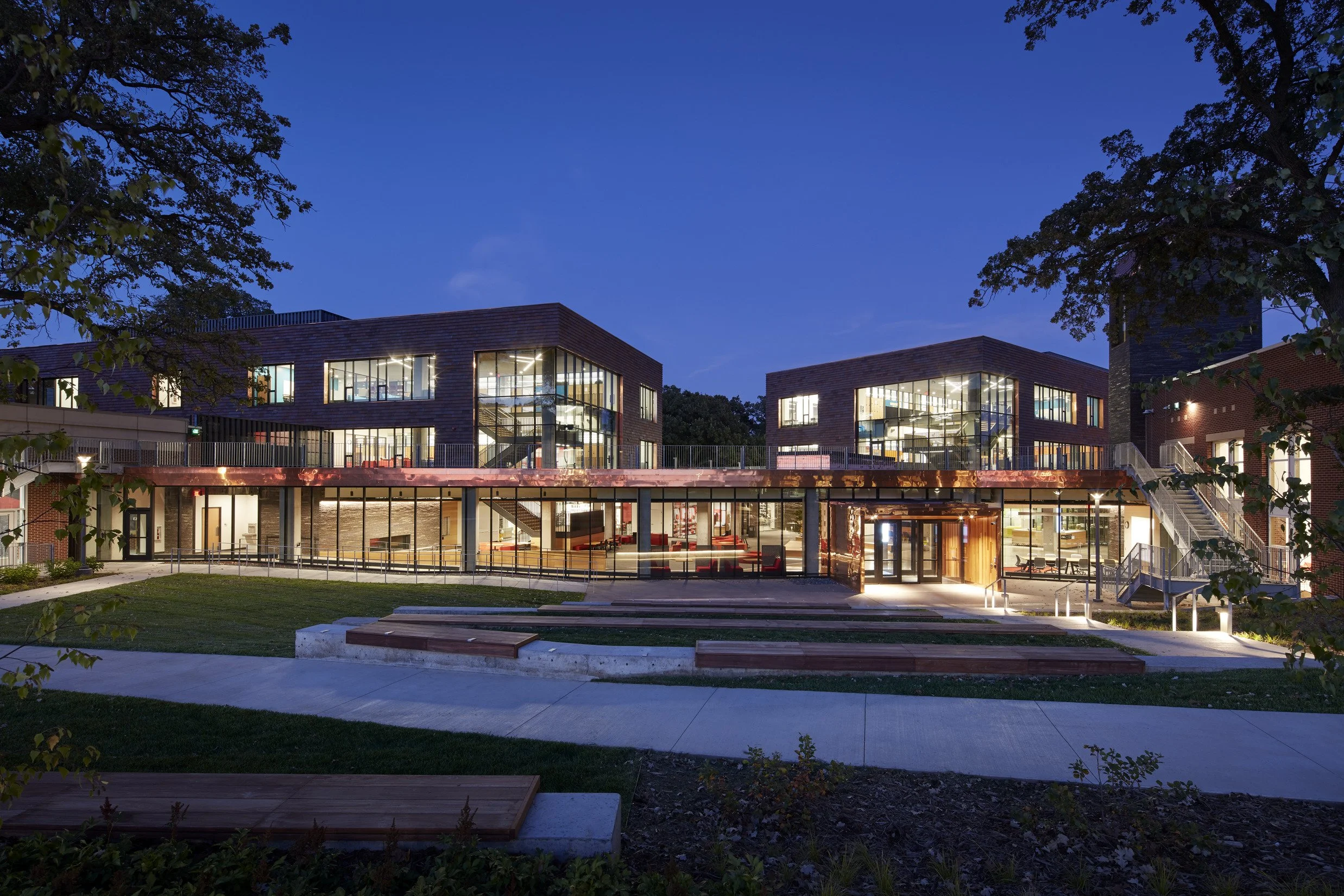
Expansive floor-to-ceiling windows frame views of the Mississippi River Valley, filling classrooms and shared spaces with abundant natural daylight while creating a continual visual relationship with the changing seasons. Learning extends beyond classroom walls into gardens, gathering spaces, and the natural beauty of the river gorge, fostering reflection, curiosity, and wellbeing.
Although located within the heart of Minneapolis, the campus feels simultaneously secluded and deeply connected to the surrounding community—a place of quiet contemplation within a vibrant urban setting.
Honoring Heritage Through Contemporary Design
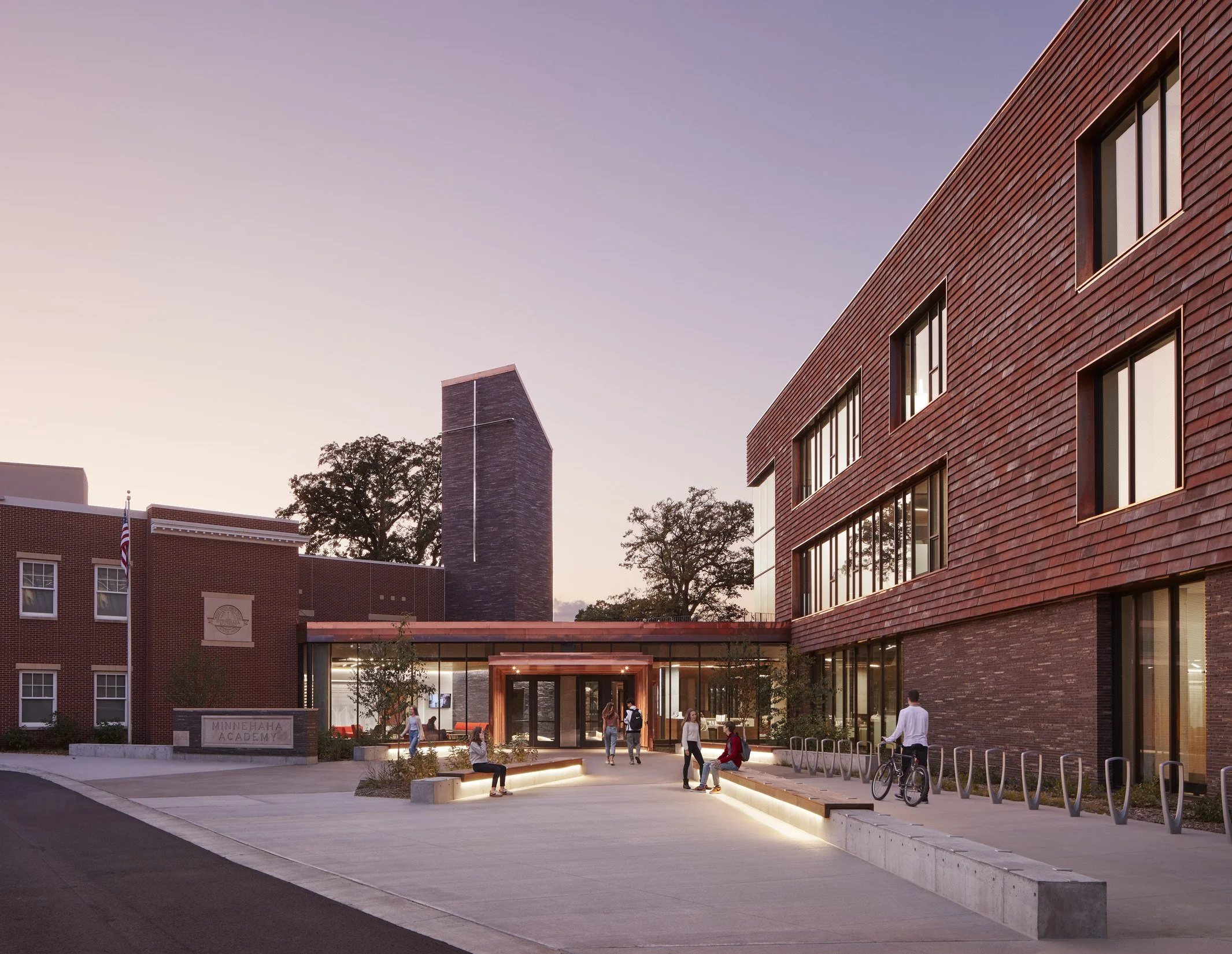
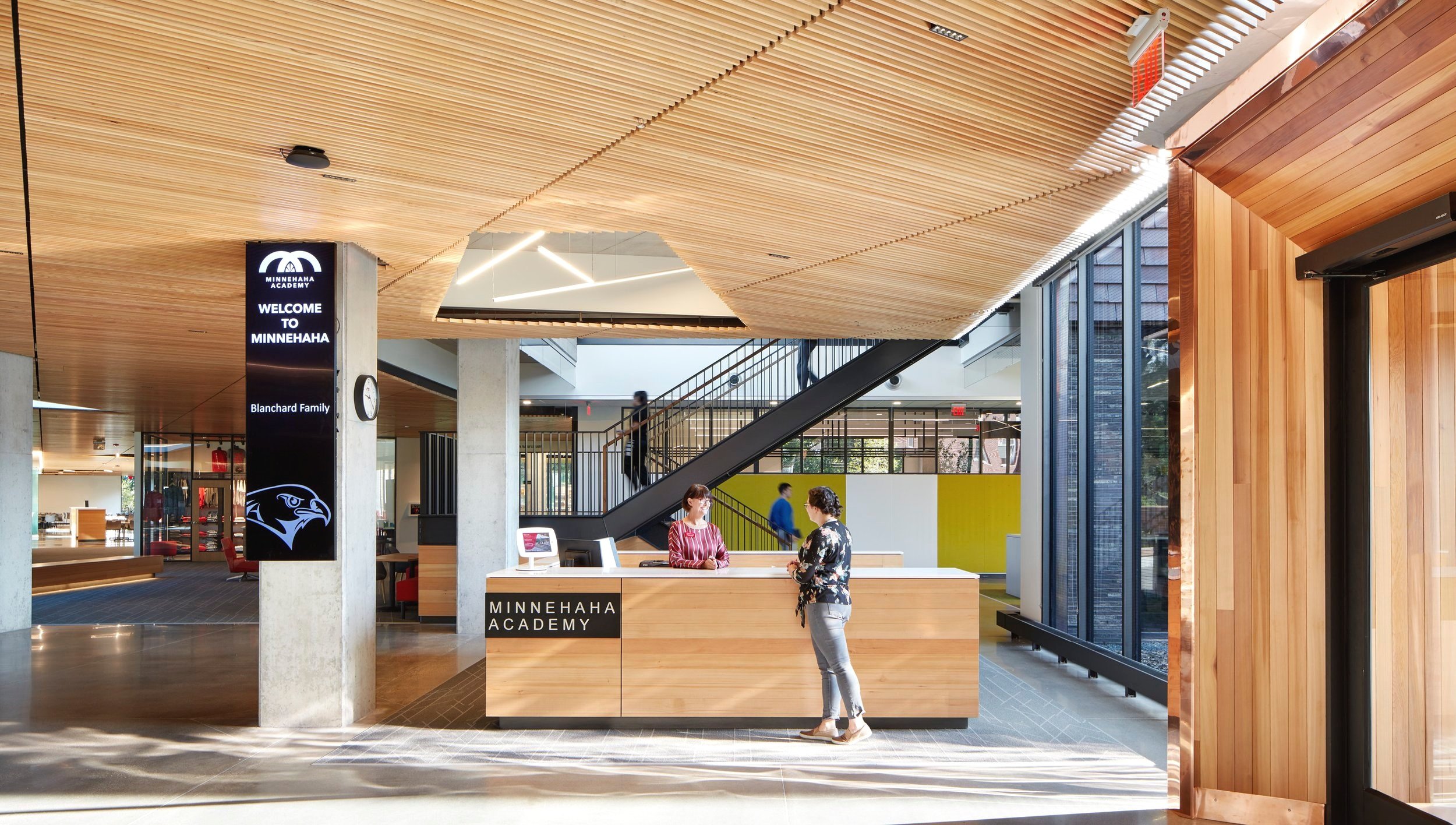
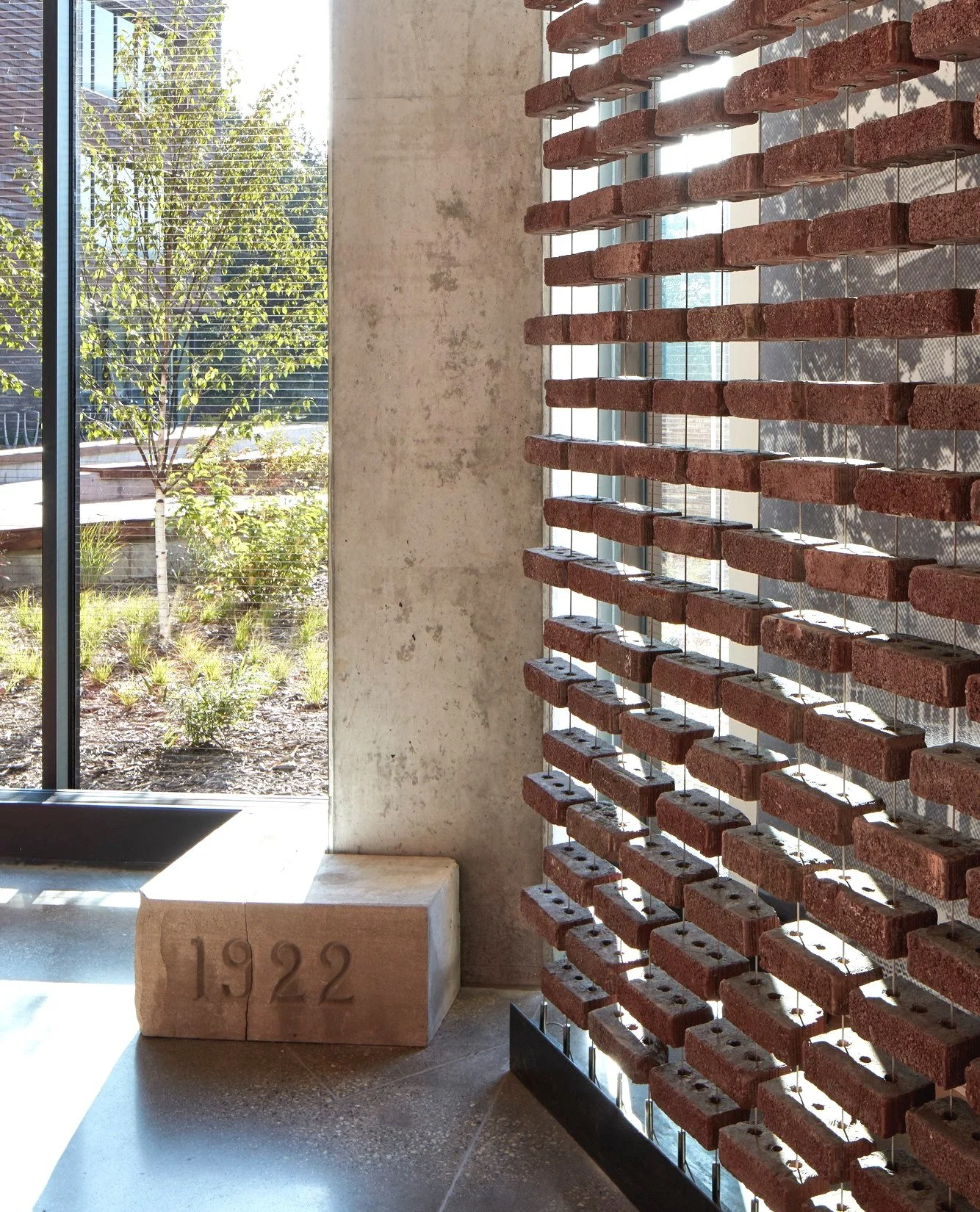
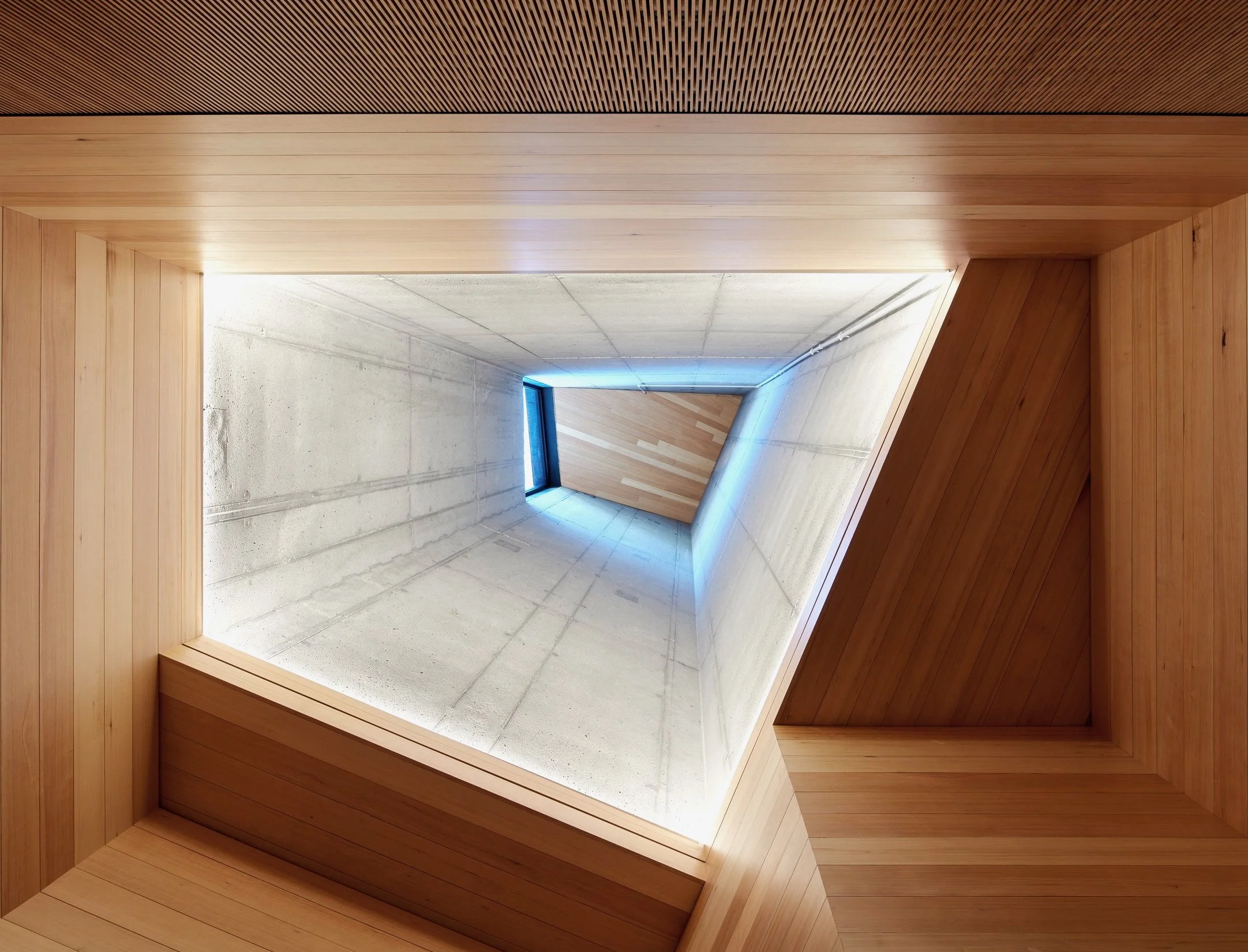
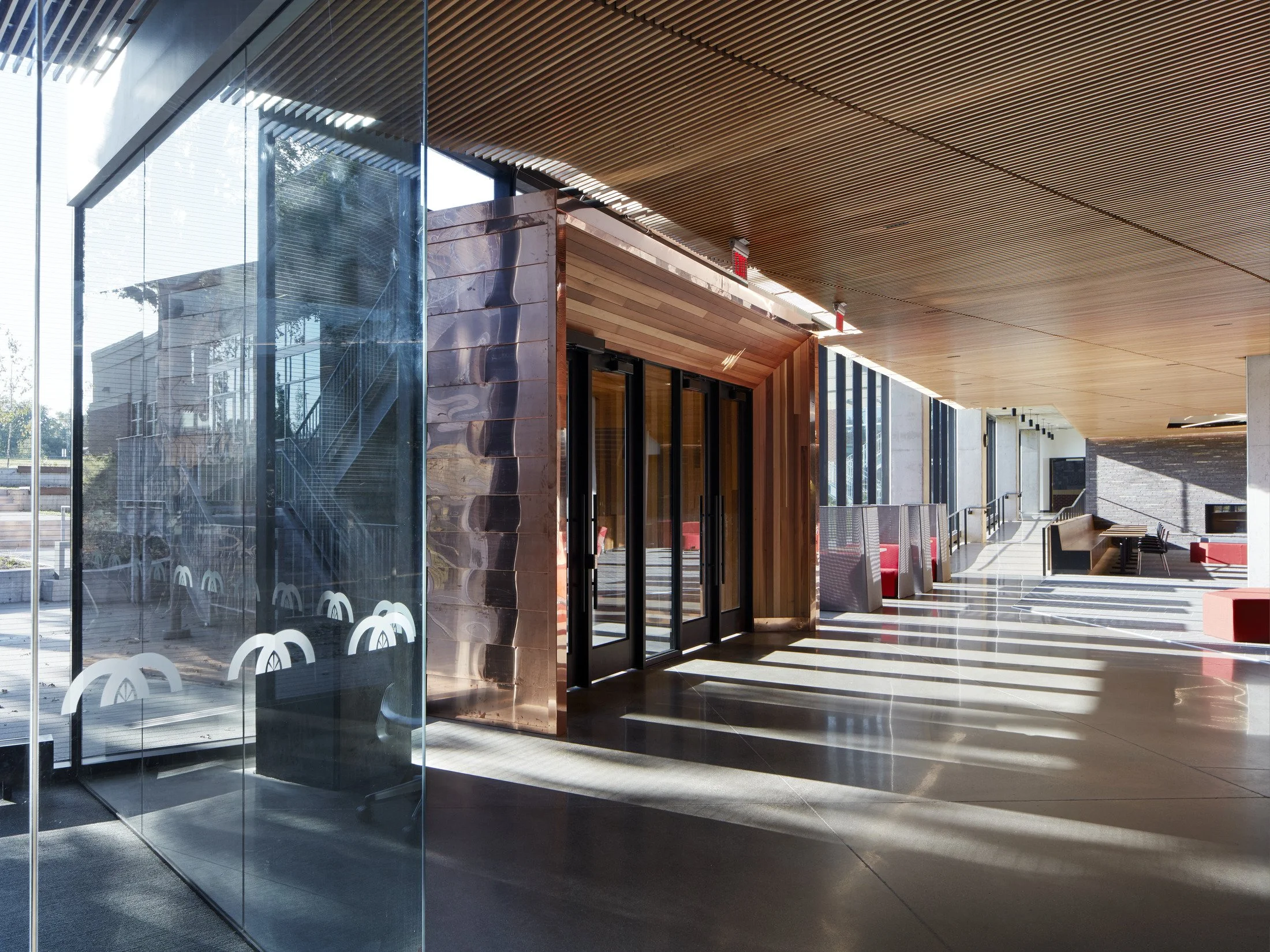
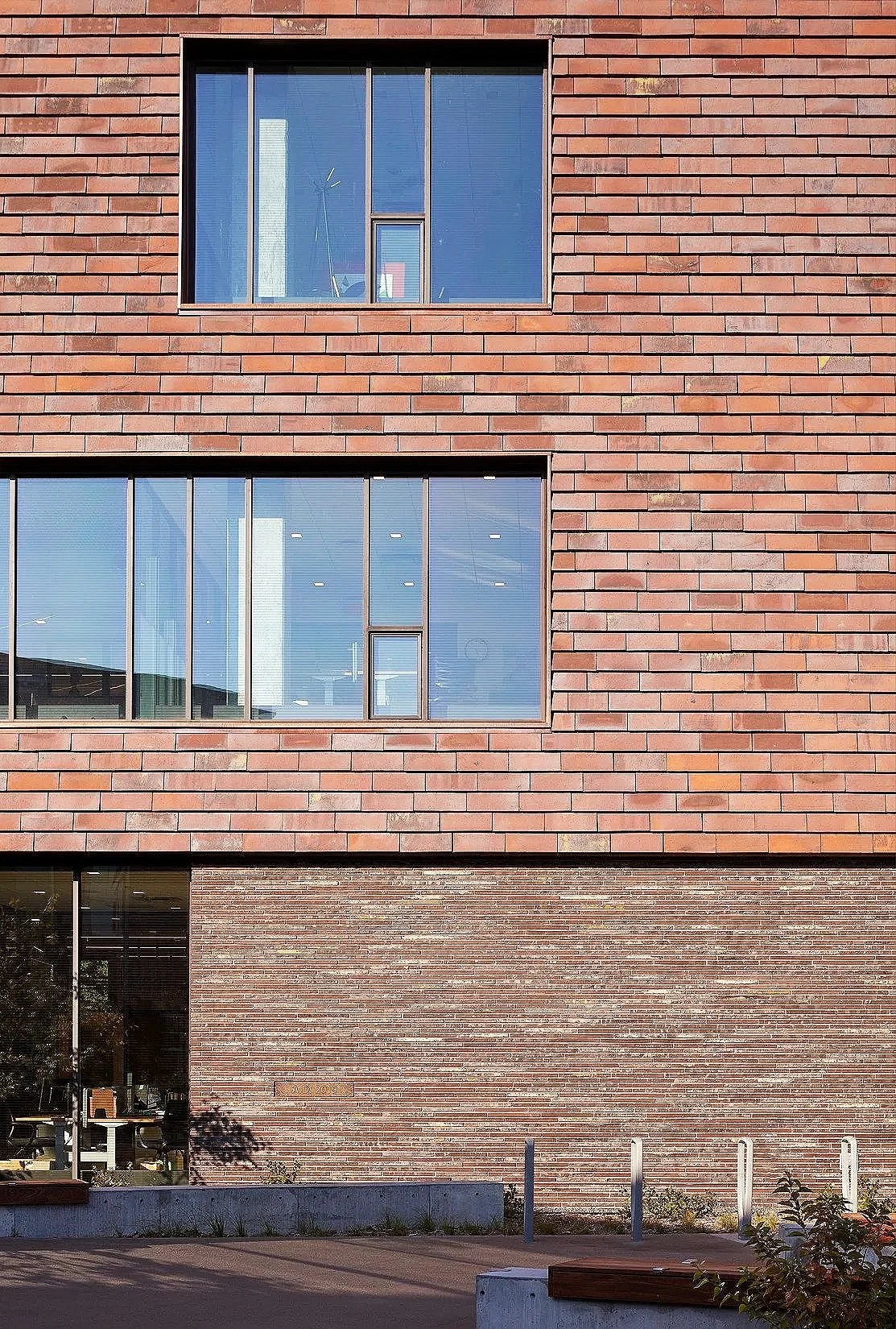
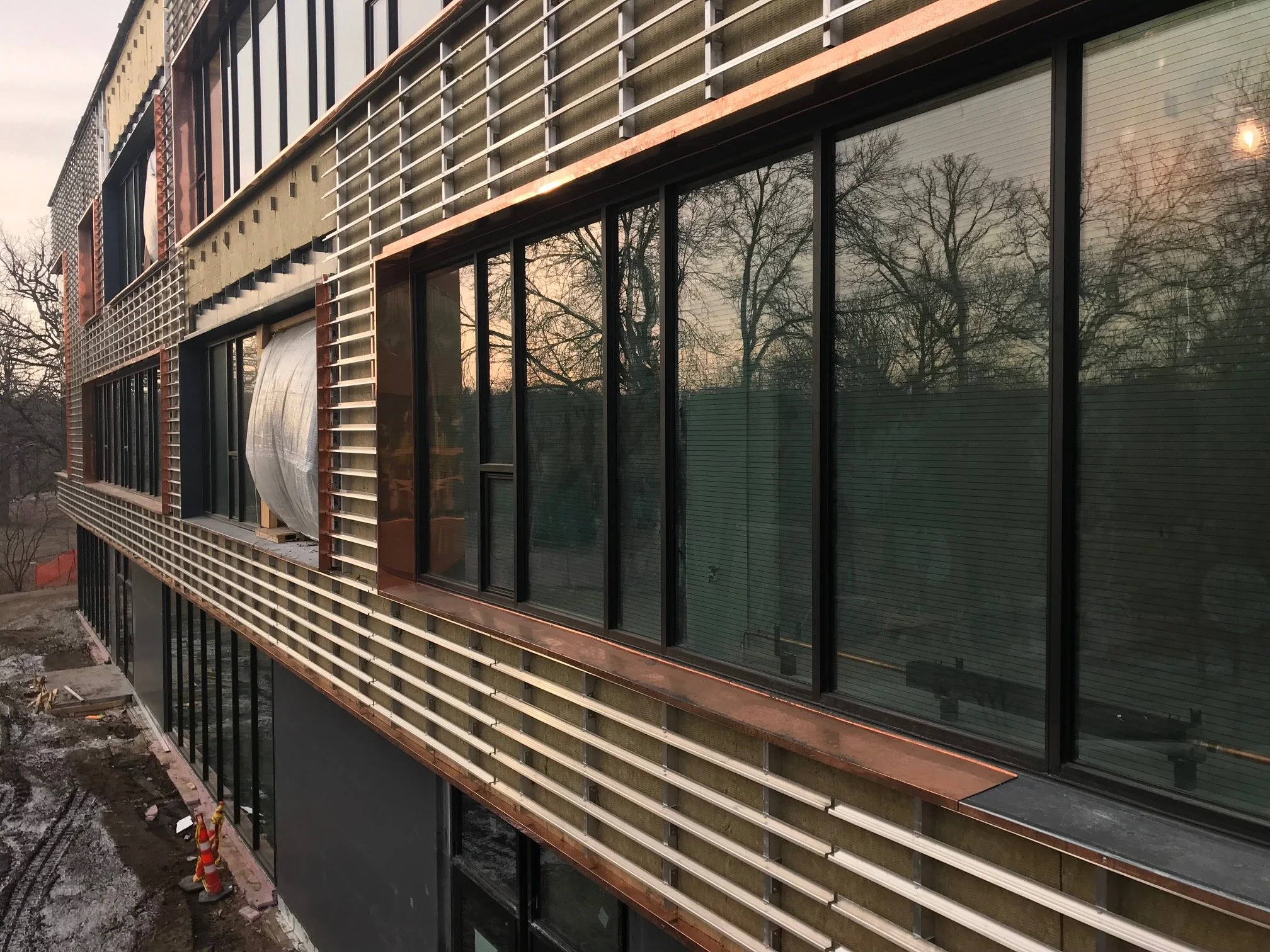
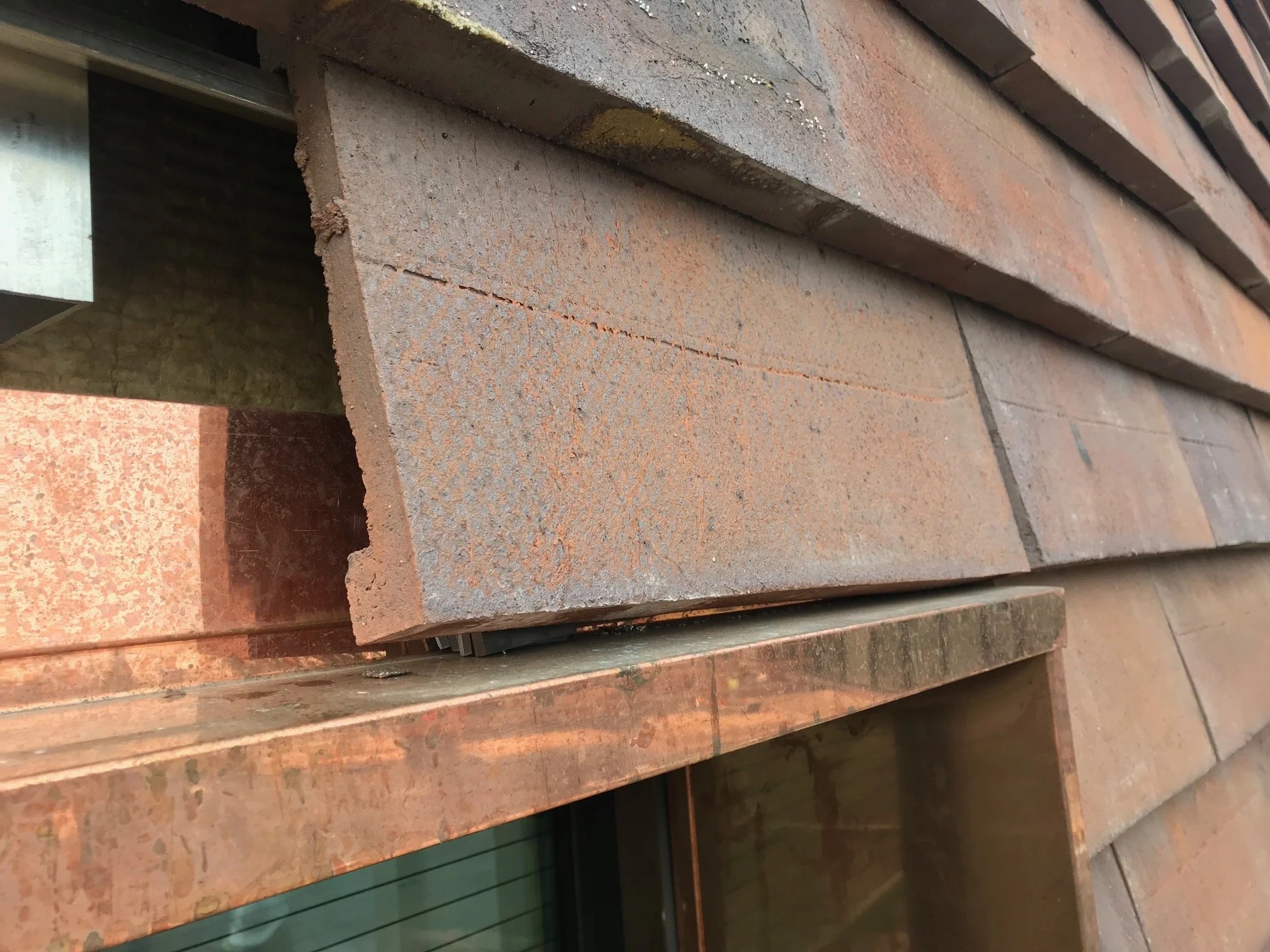
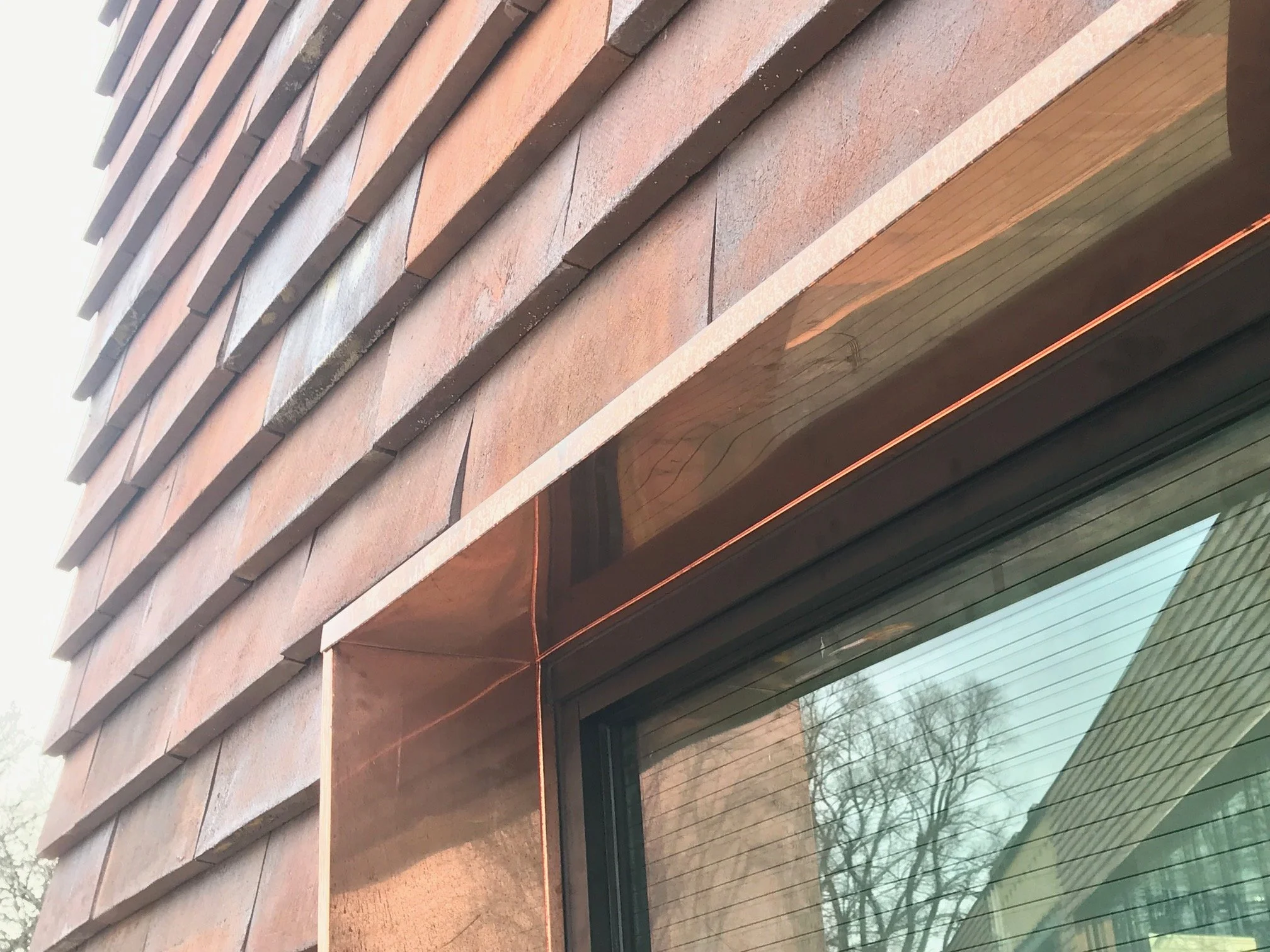
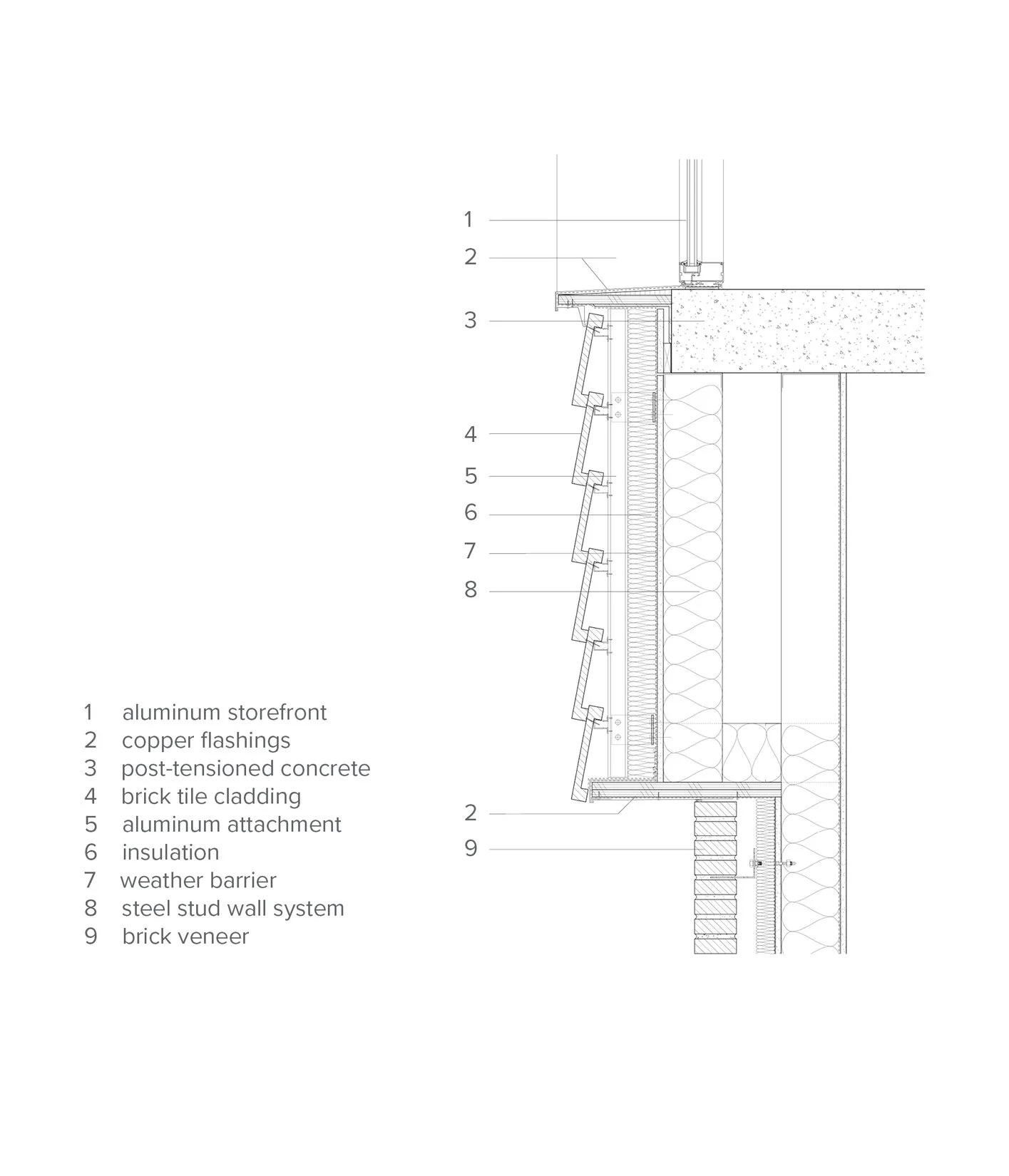
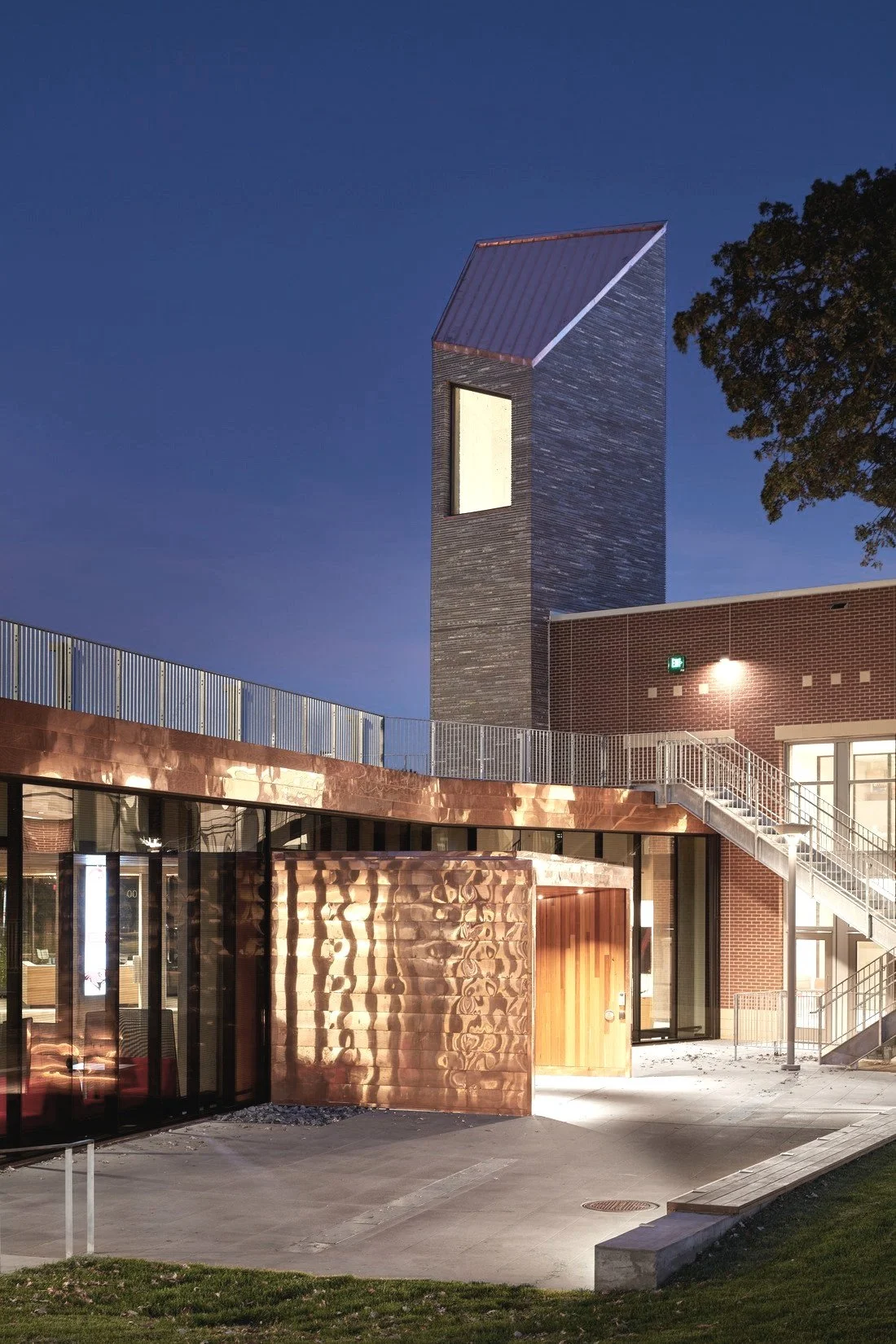
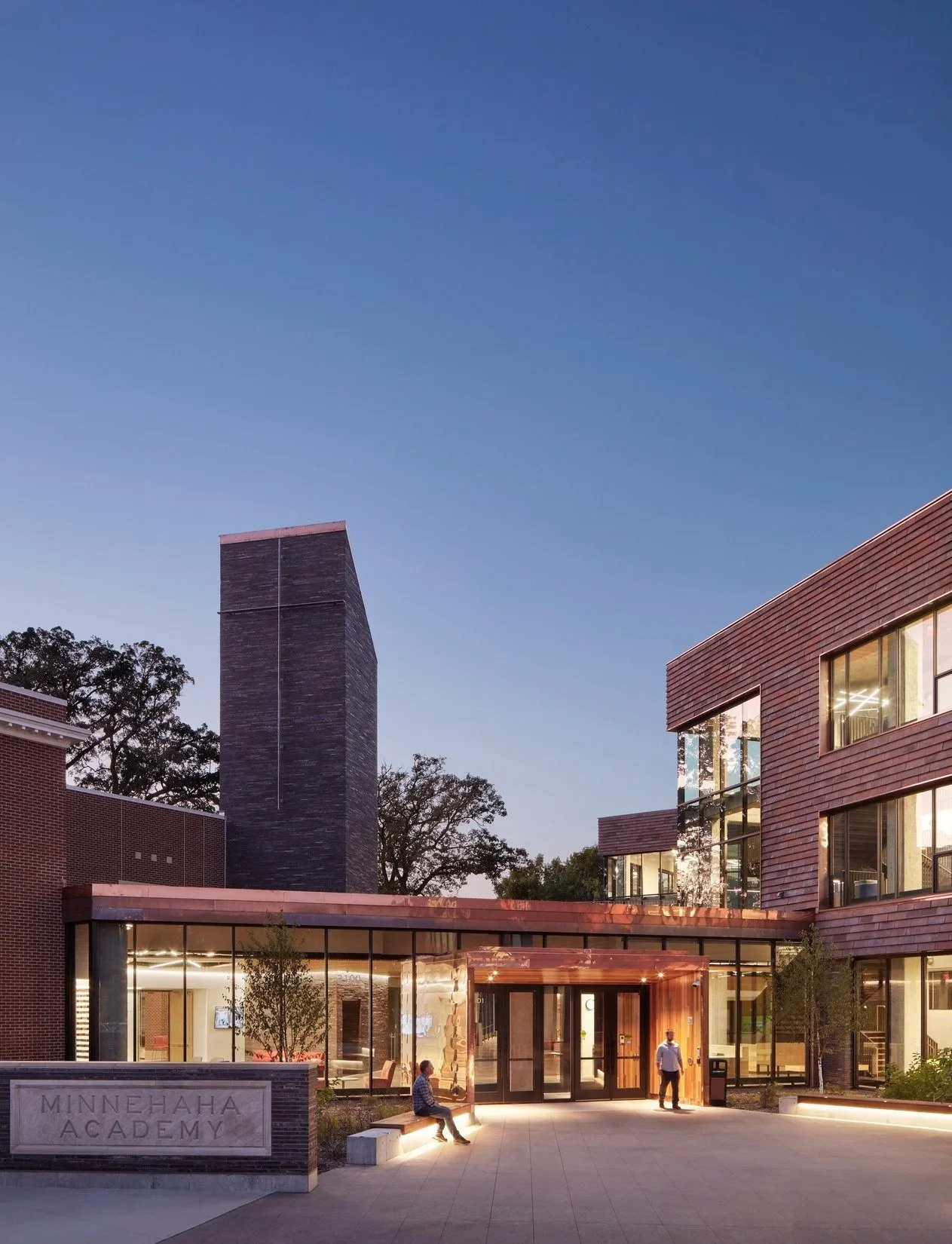
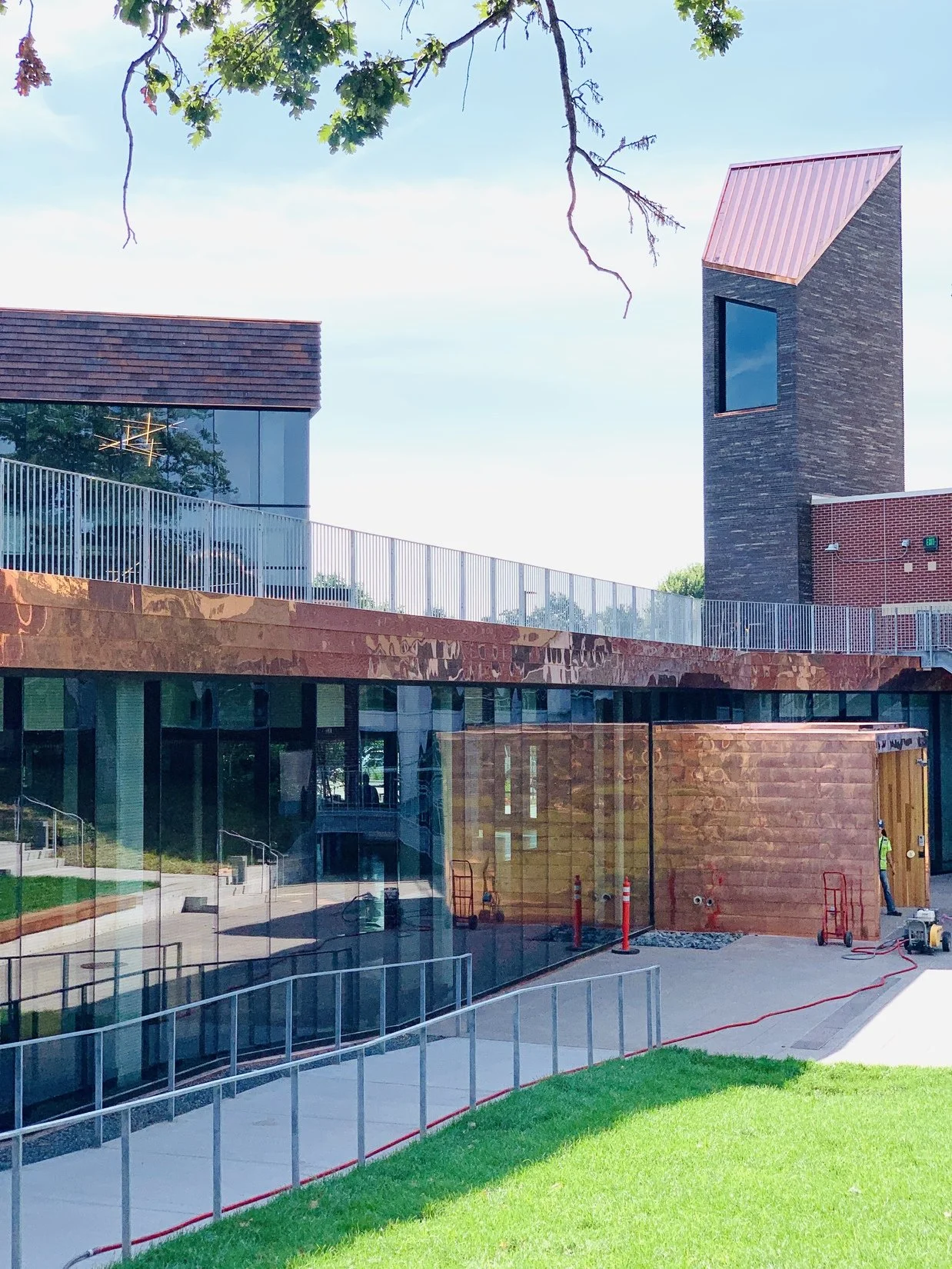
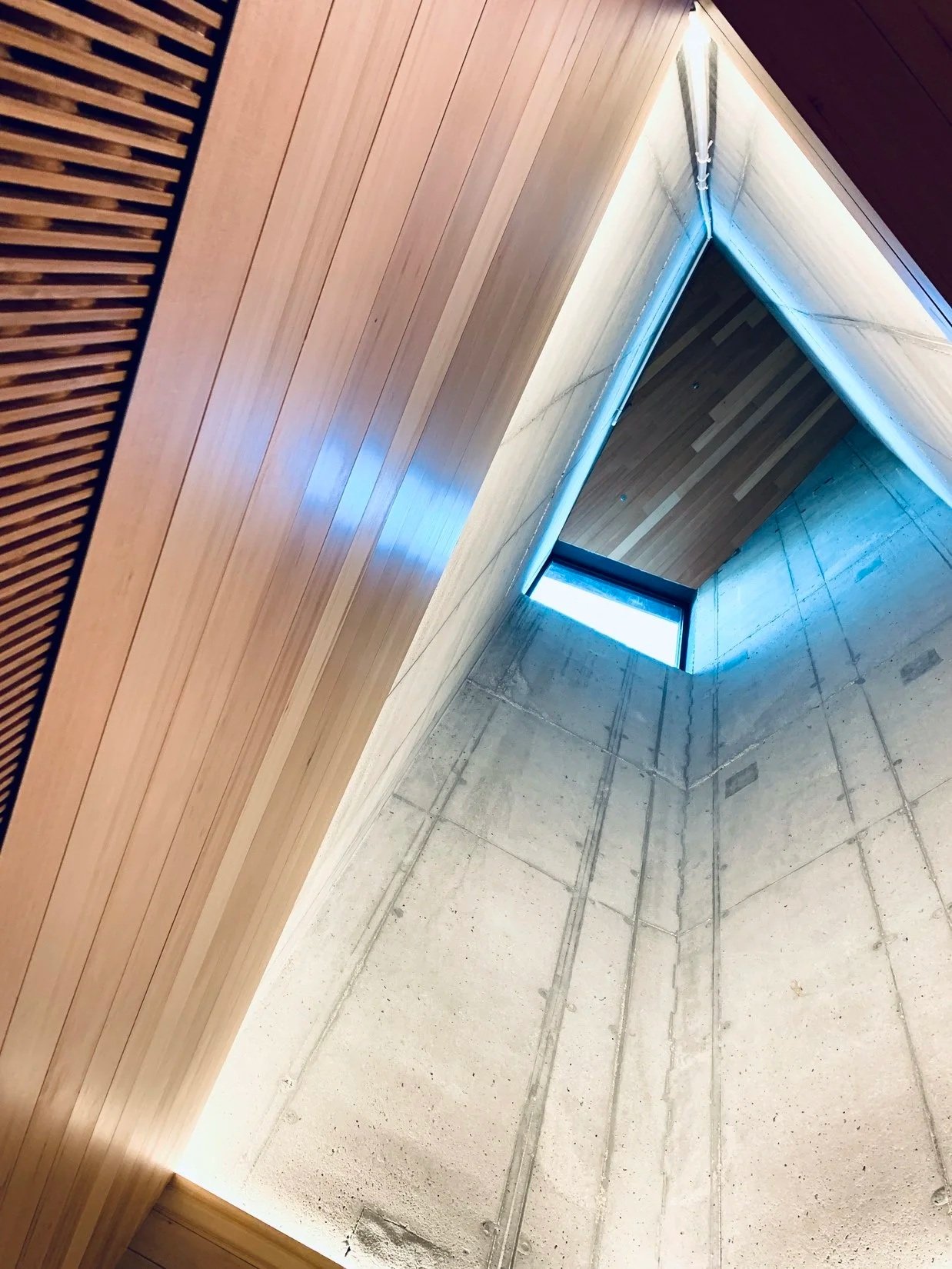
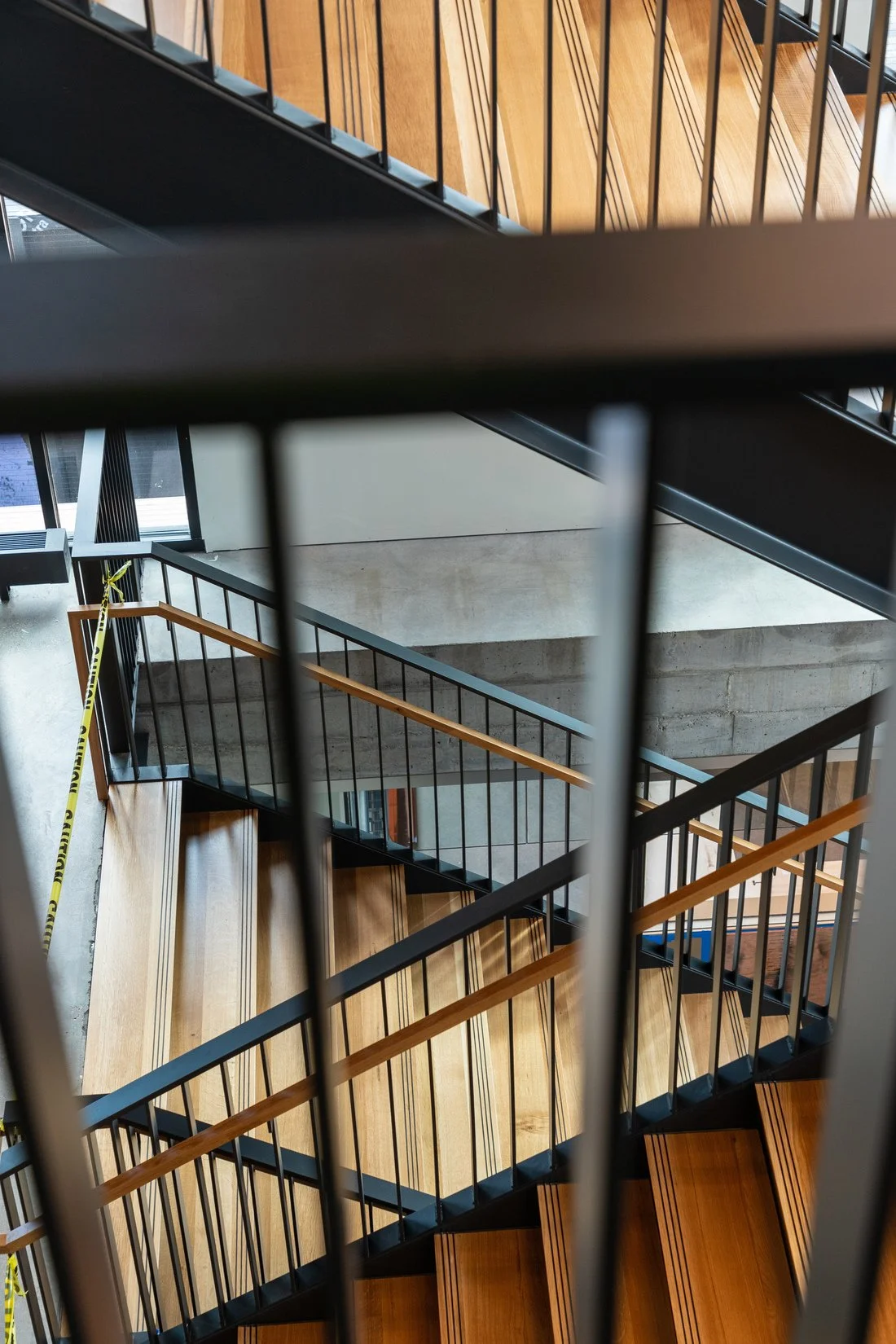
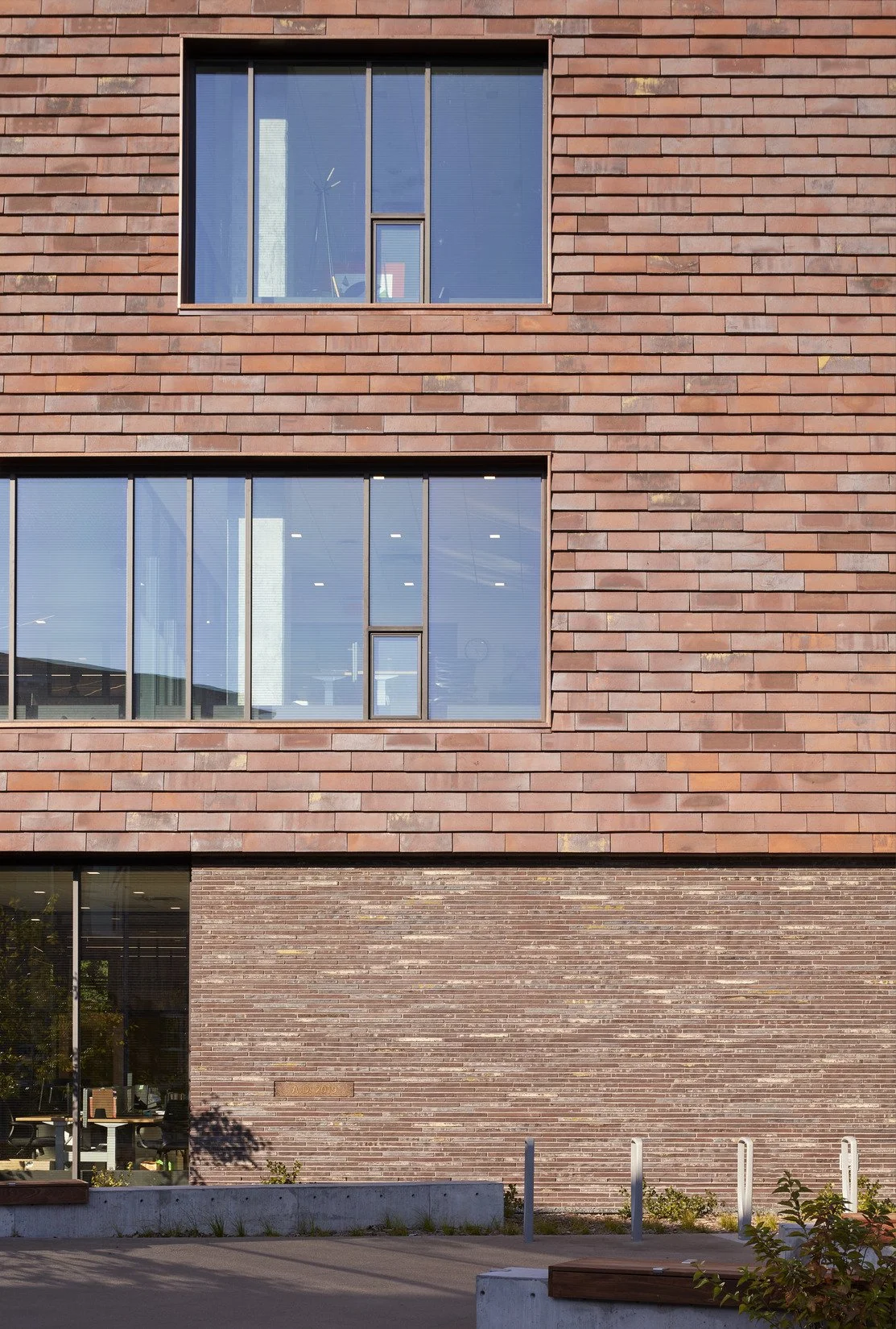
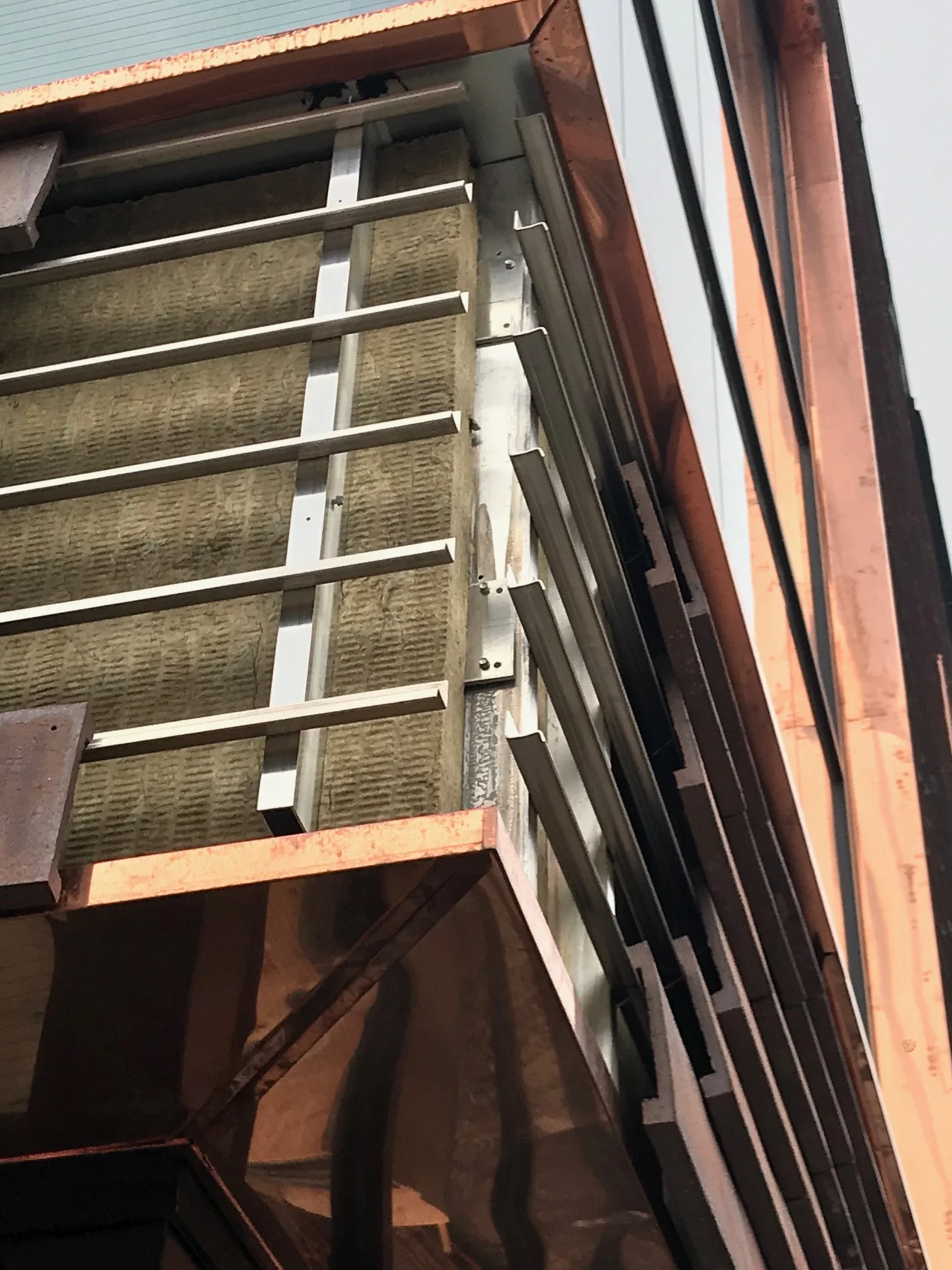
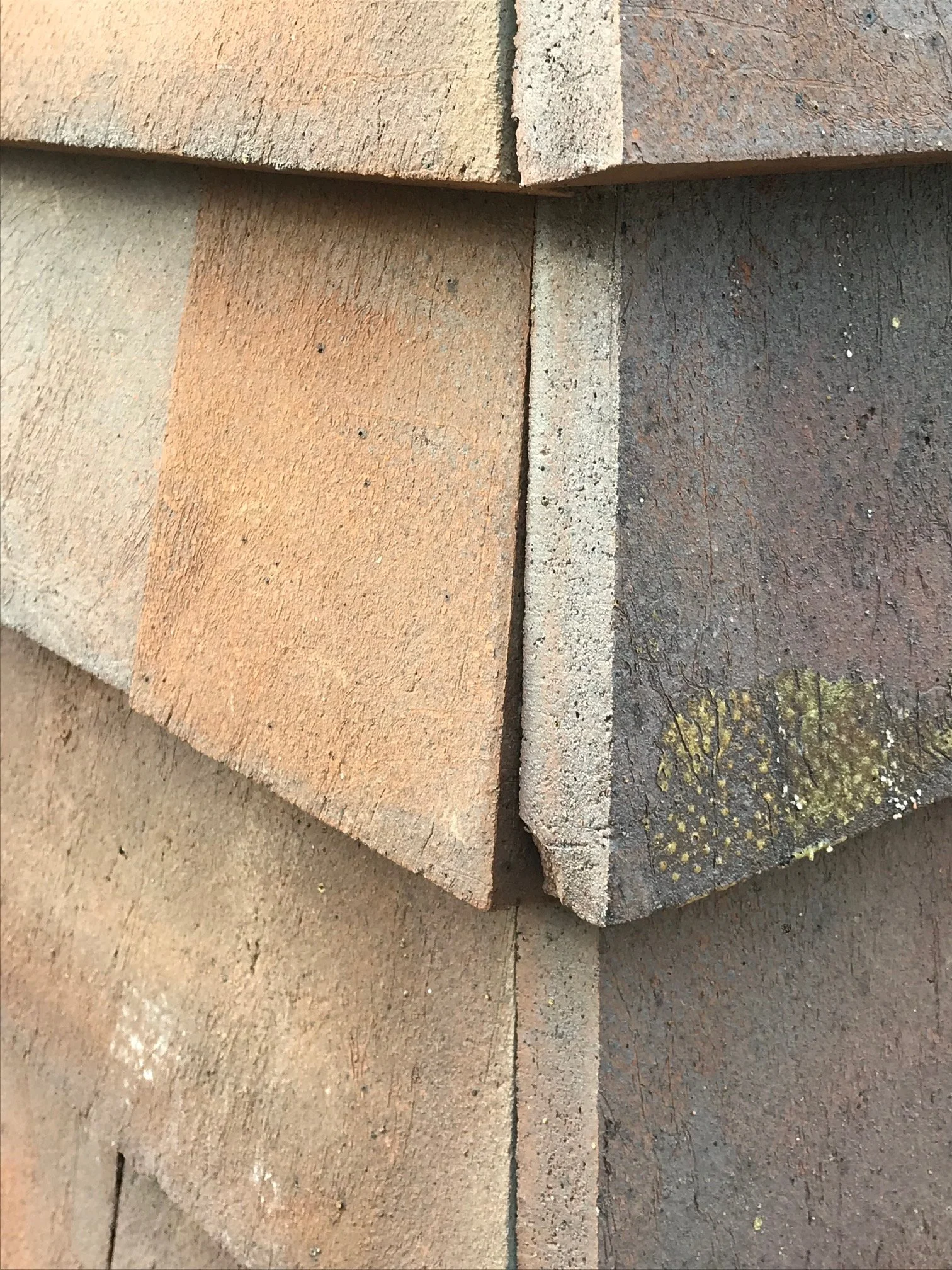
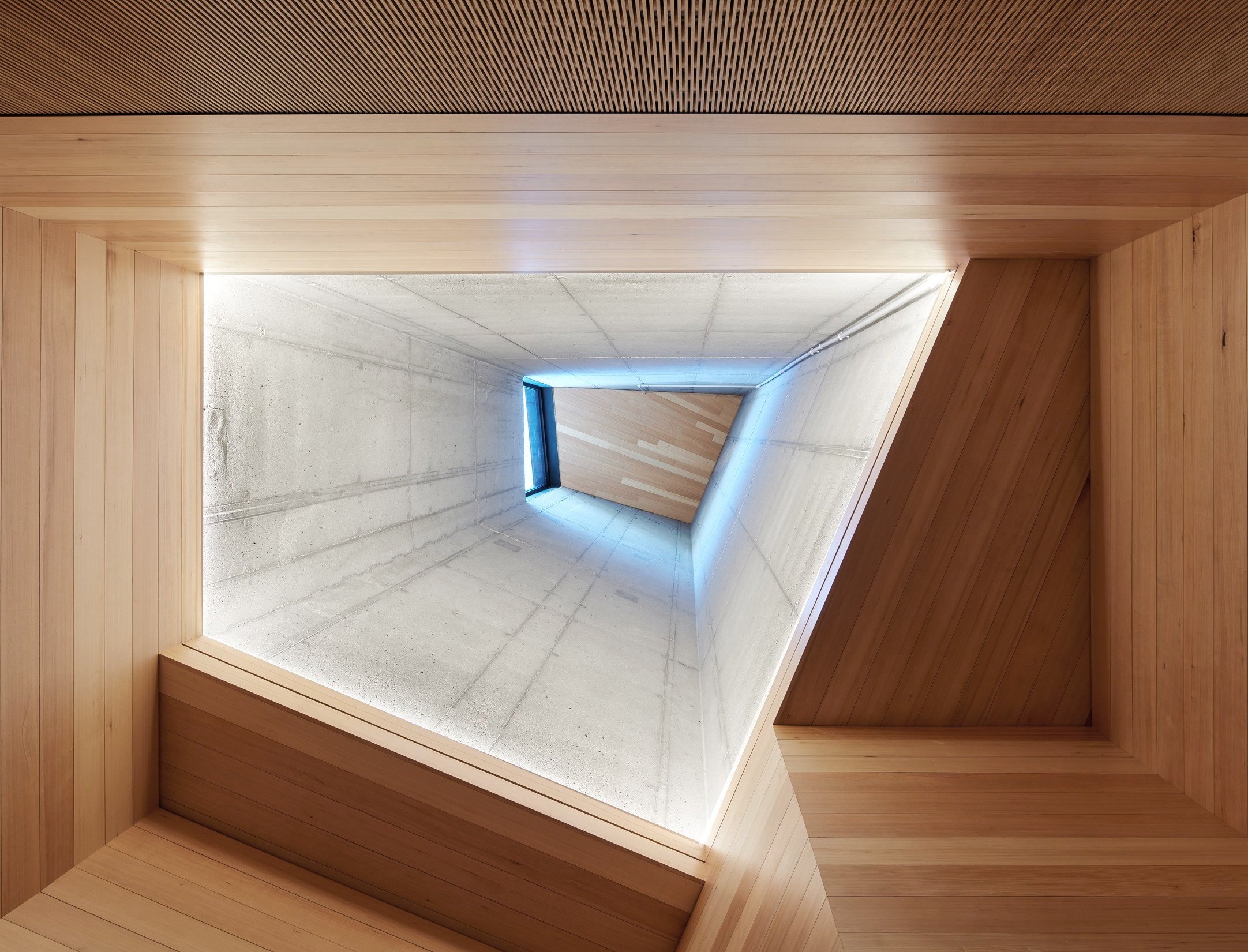
The architecture reflects Minnehaha Academy's Scandinavian heritage through a restrained and timeless material palette. Natural materials, clean architectural forms, and carefully crafted details create an environment that is both contemporary and enduring.
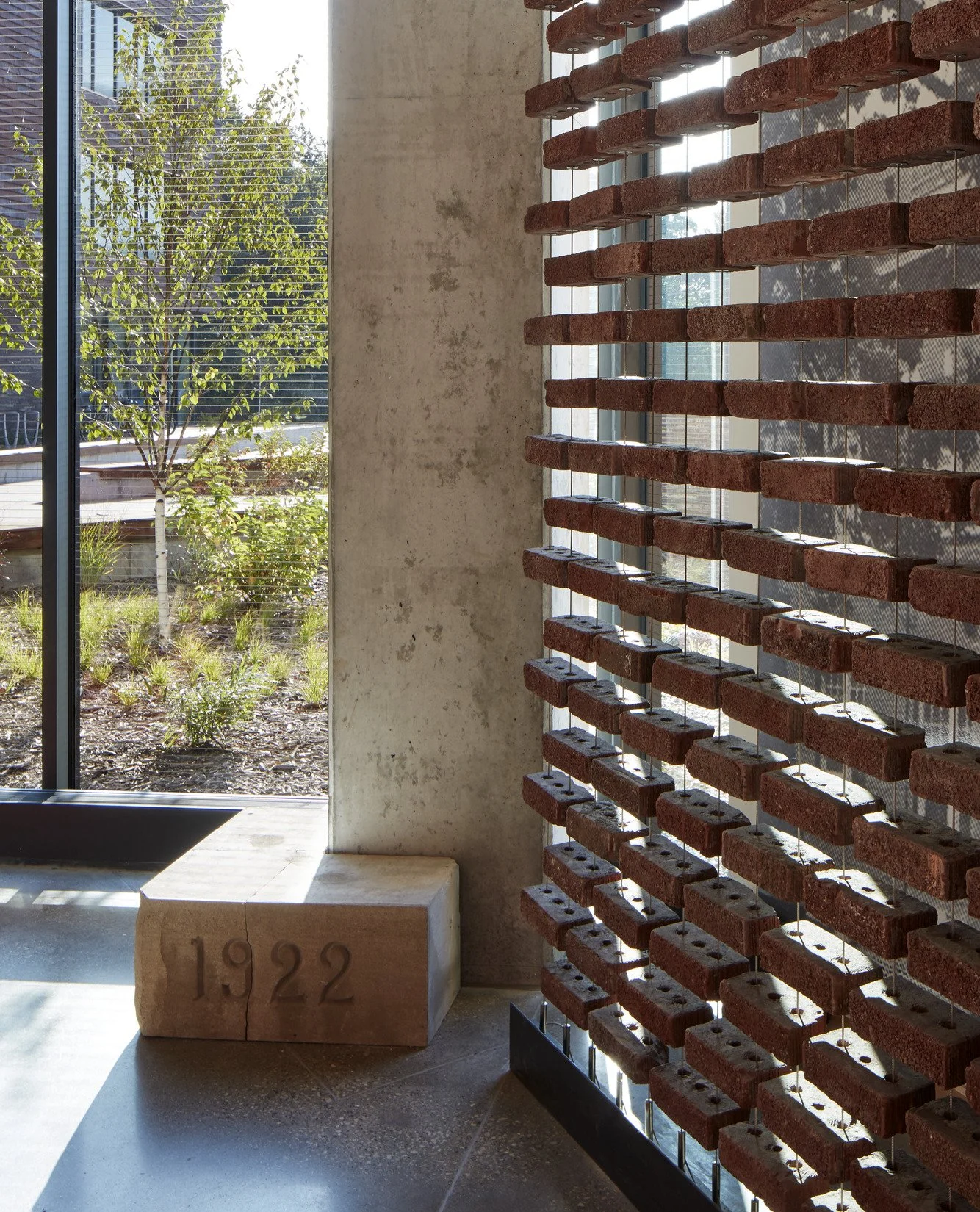
Throughout the campus, history is intentionally woven into the student experience. Spaces celebrate the Academy's legacy while acknowledging the resilience of its community, ensuring that the rebuilt campus serves not only as a new beginning but also as a living reminder of the school's enduring mission and values.
A New Heart for Campus Life
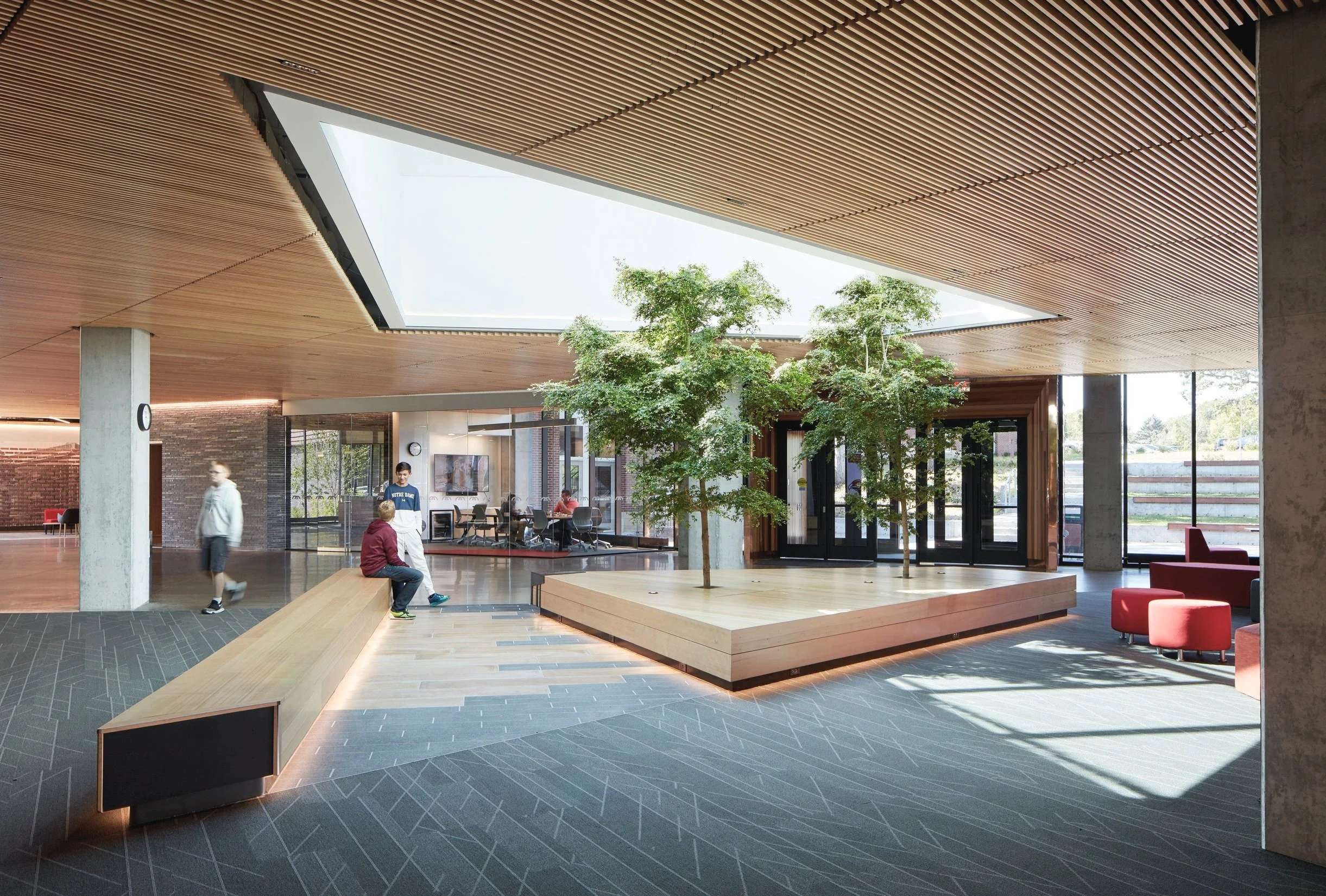
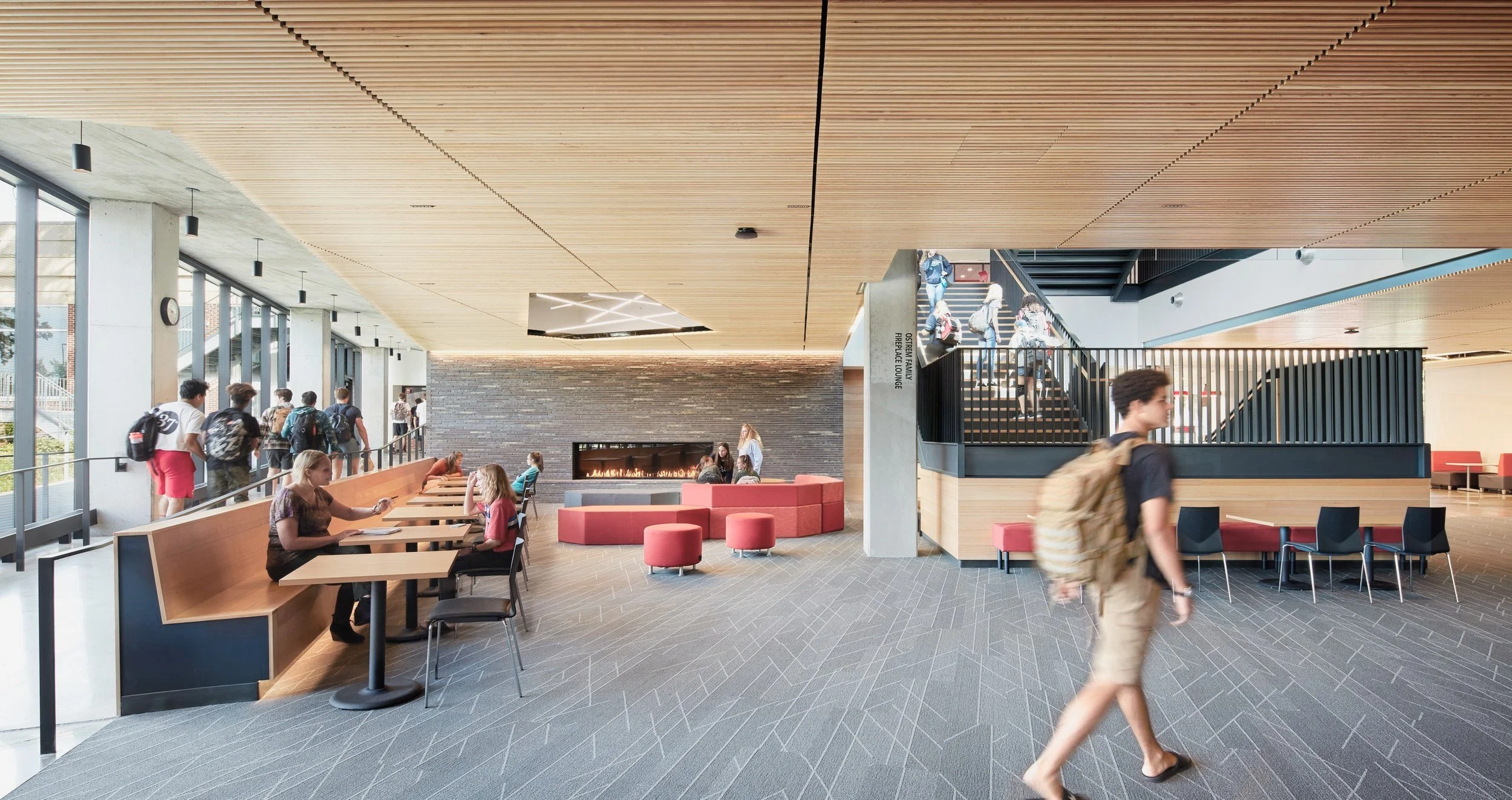
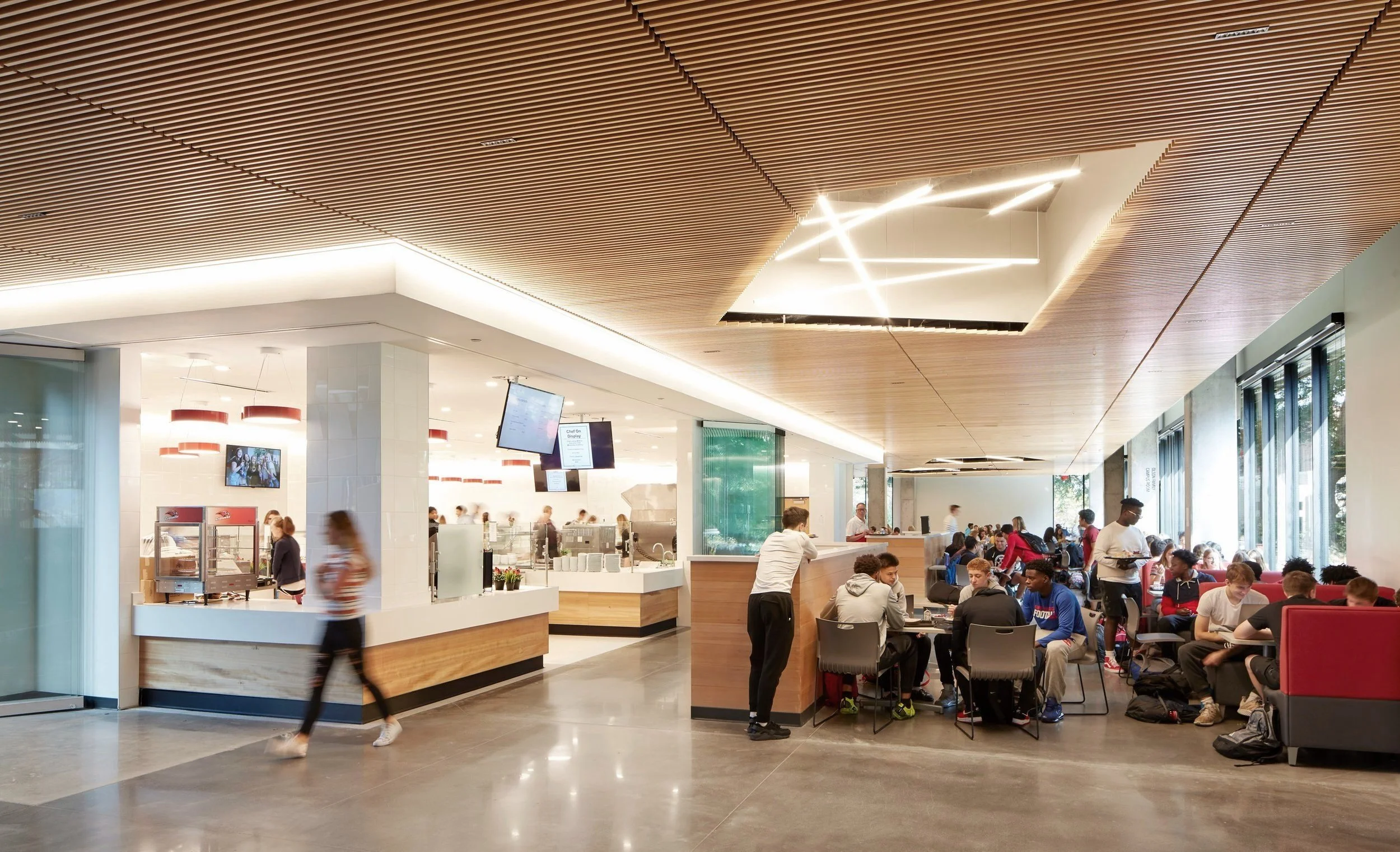
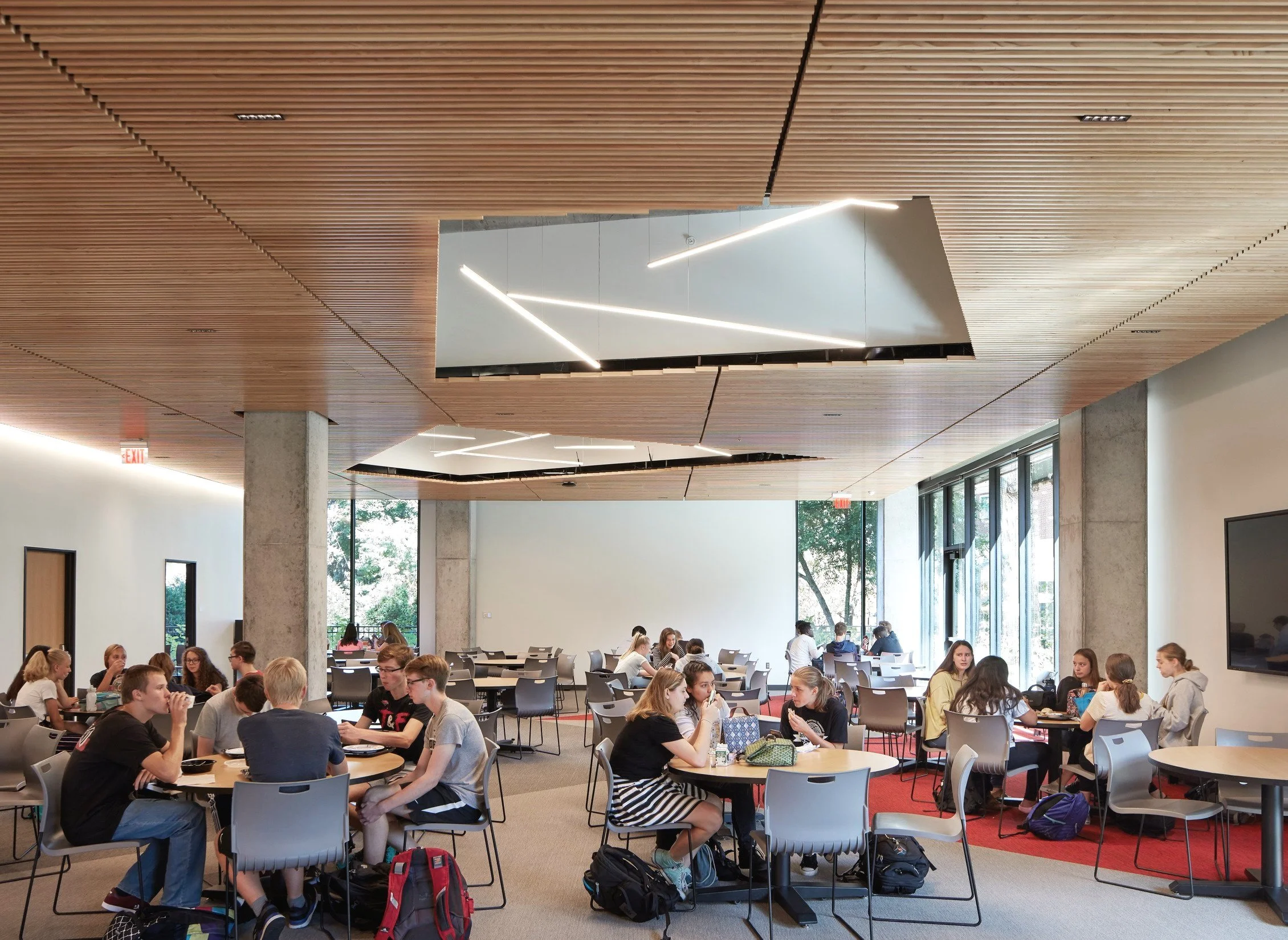
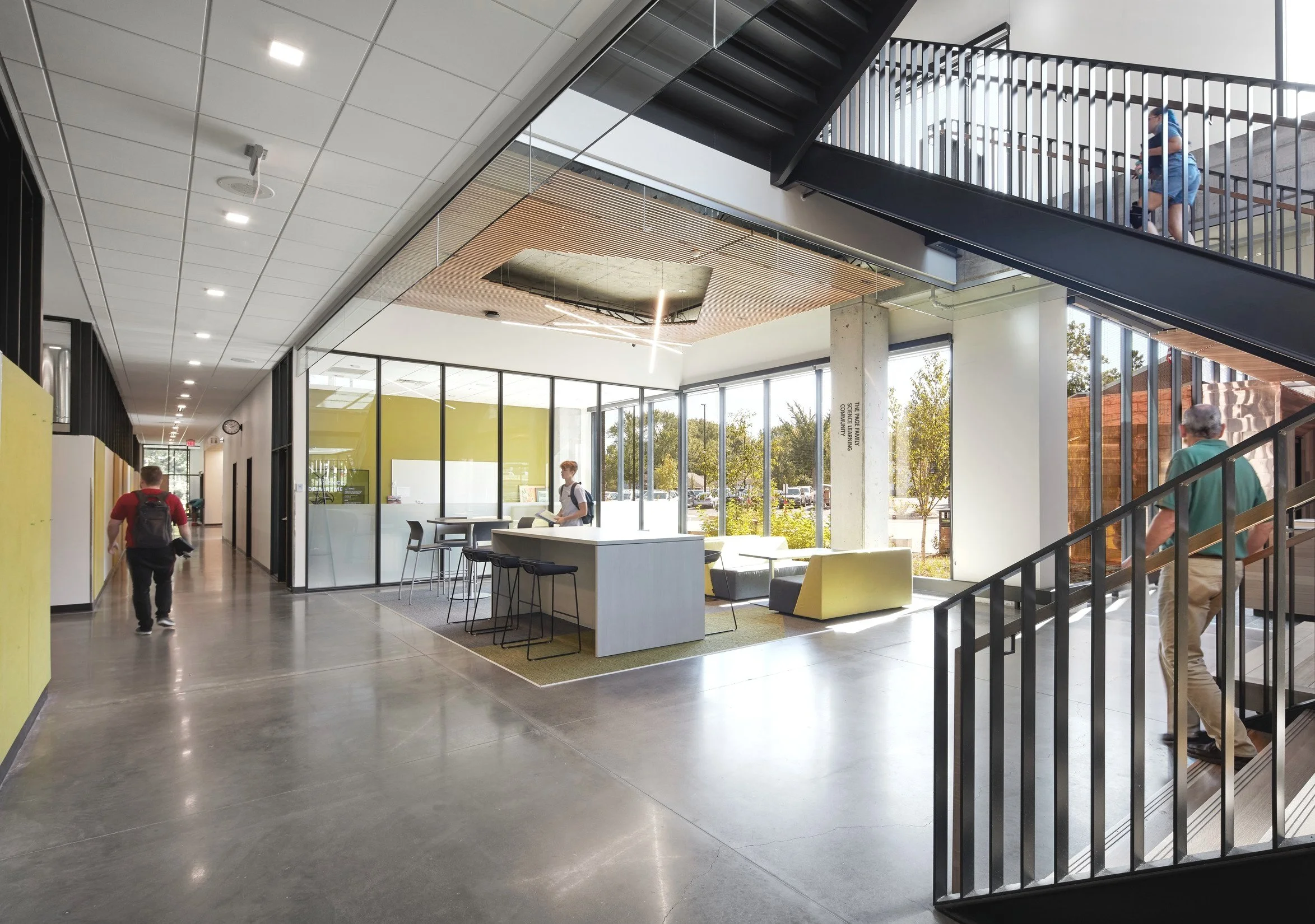
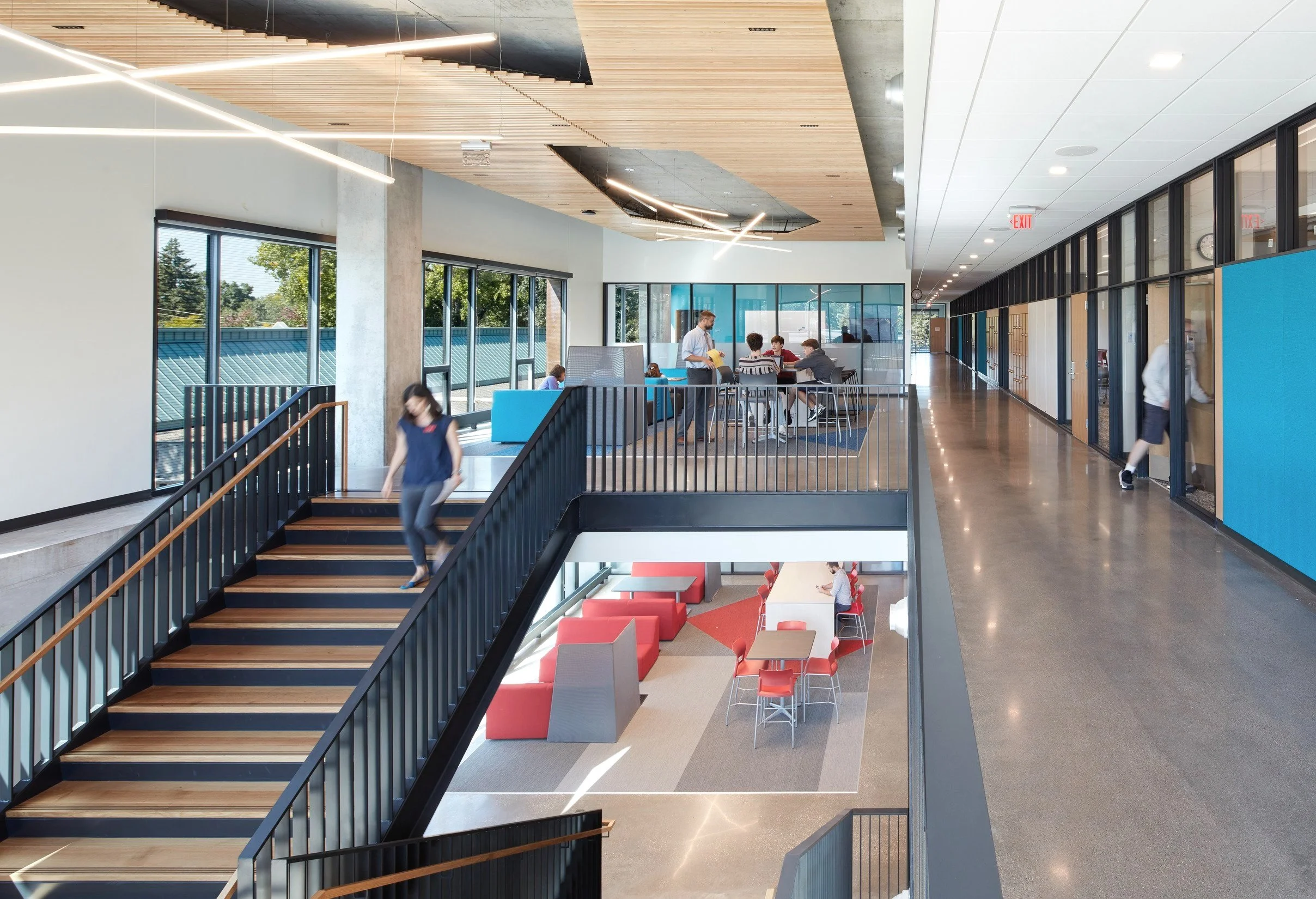
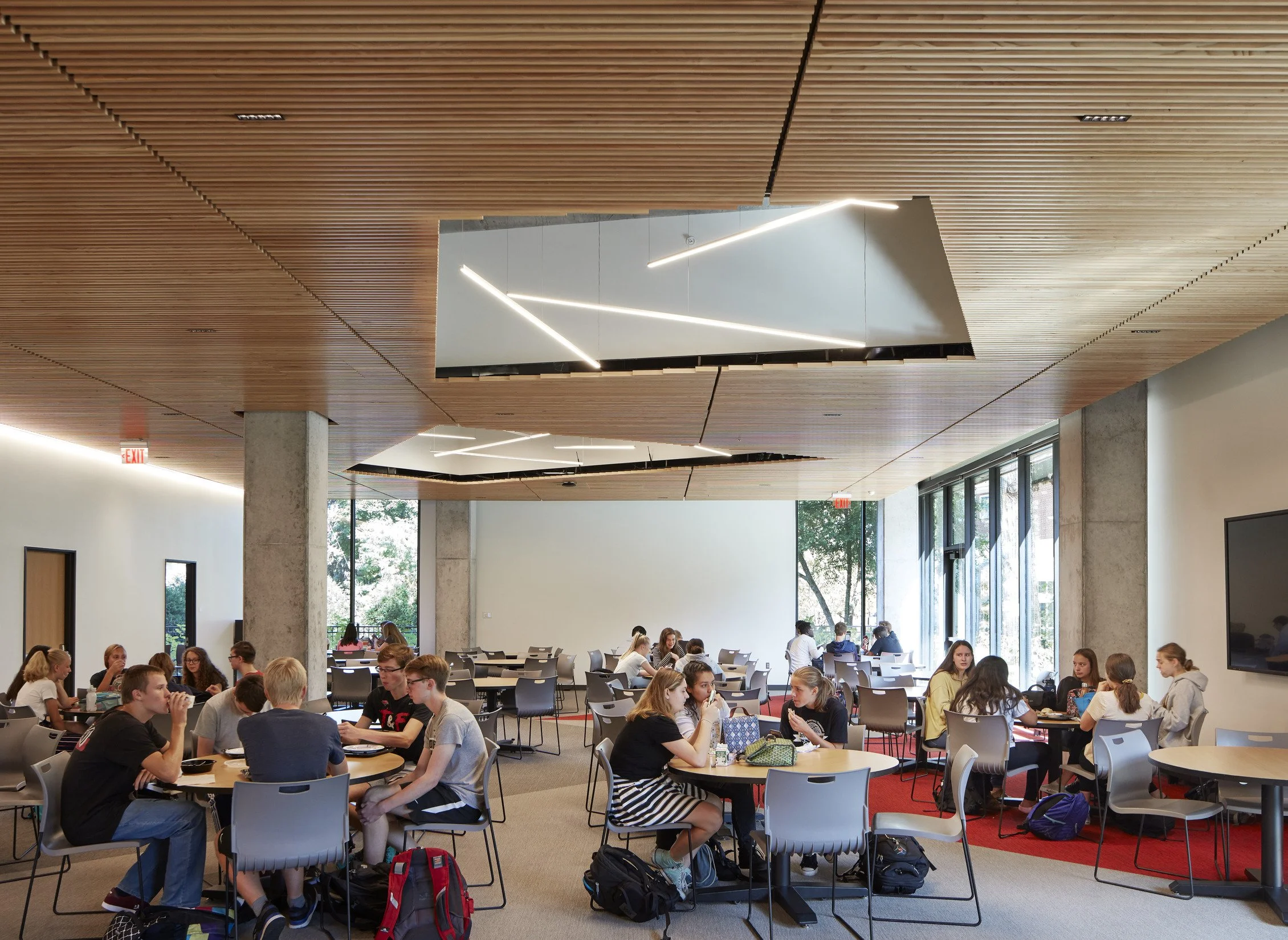
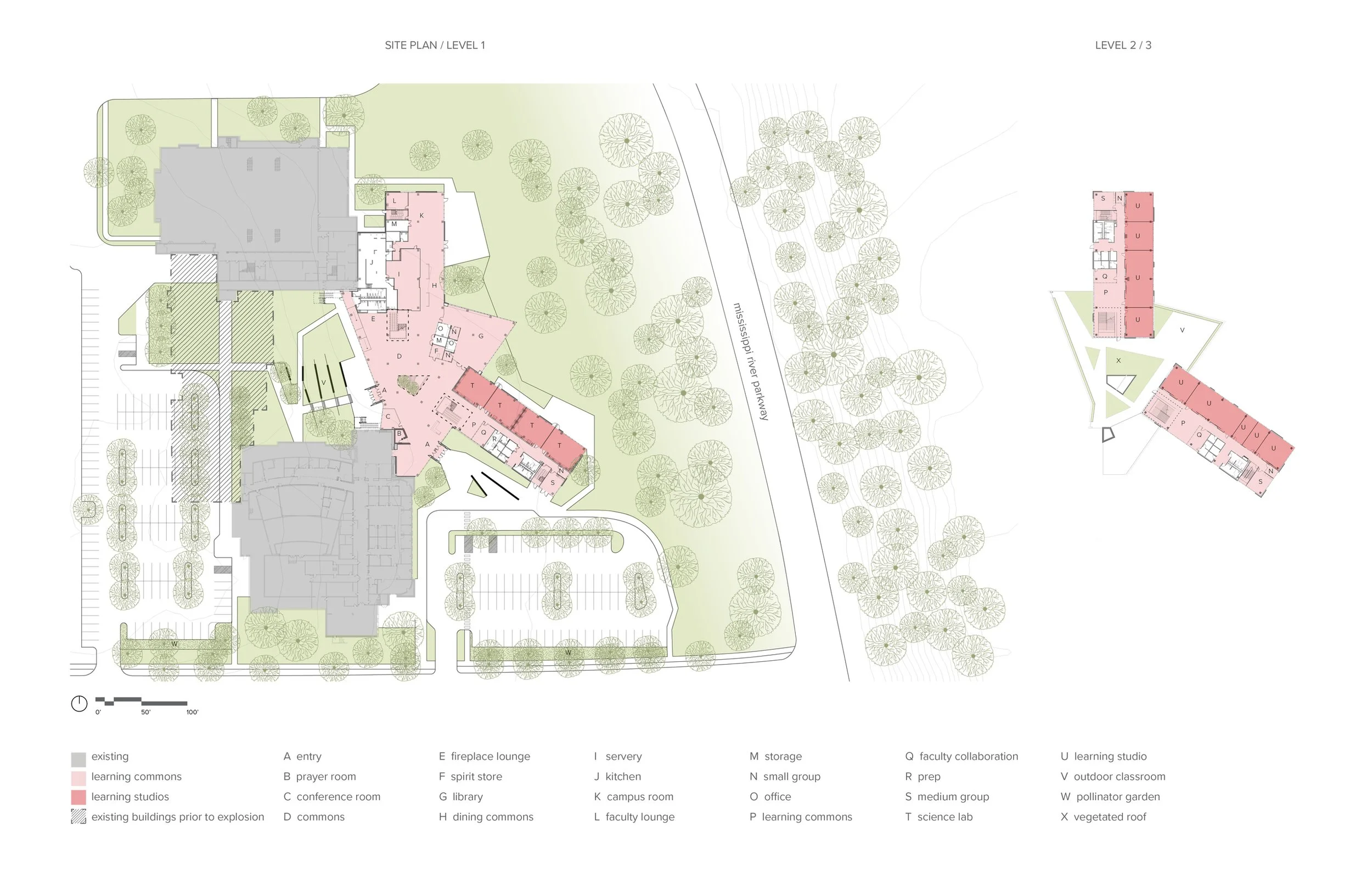
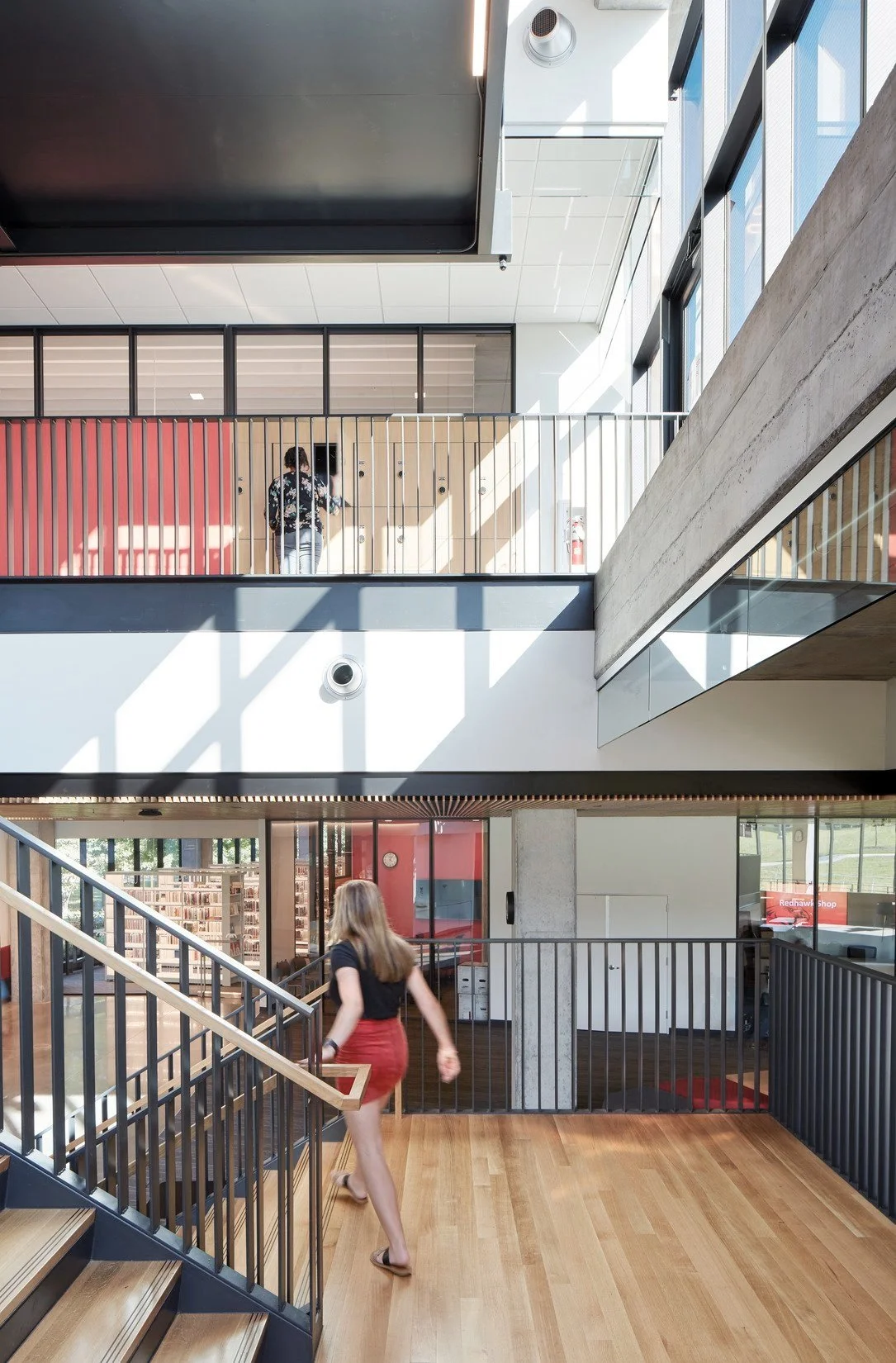
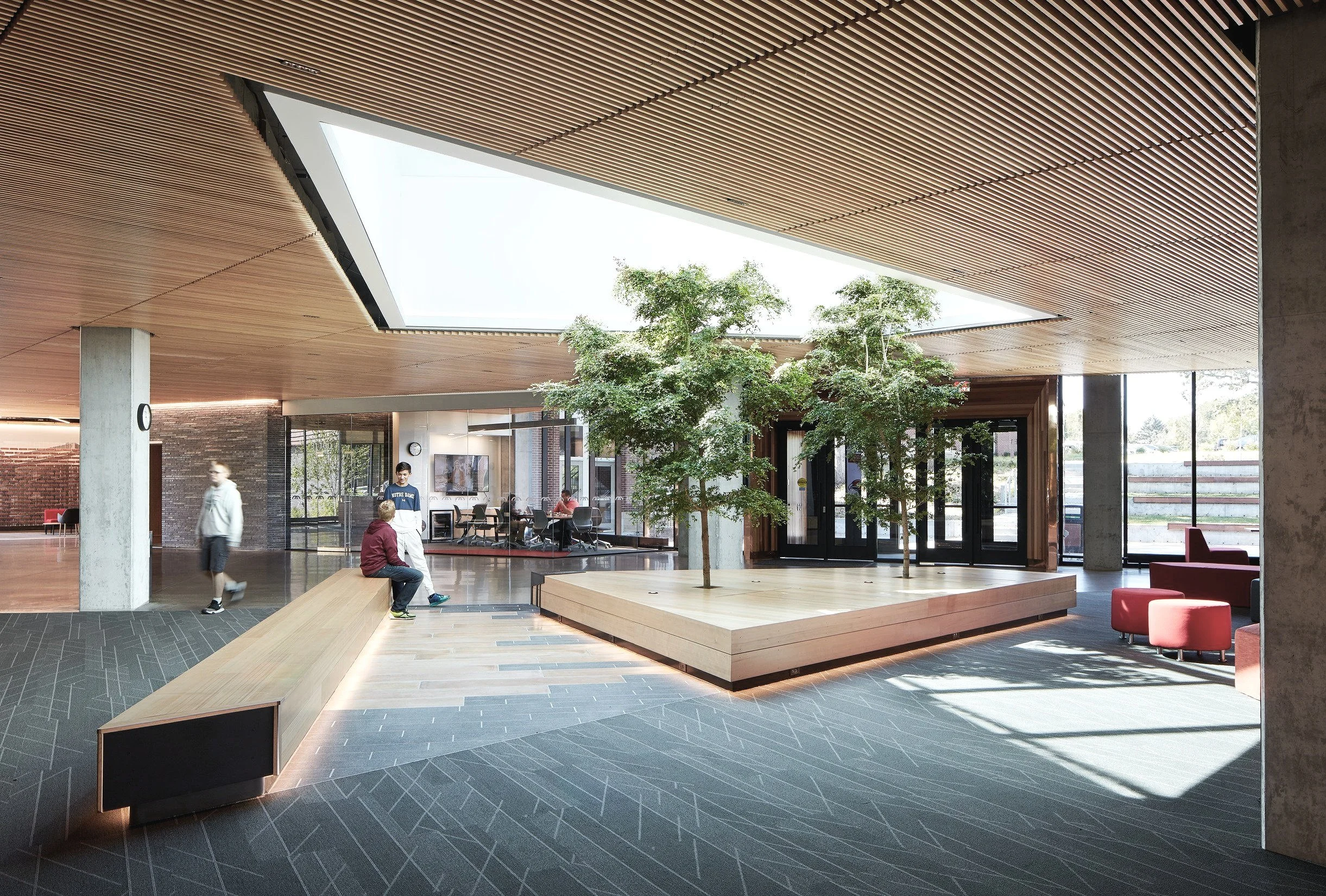
At the center of the new Upper School is a sequence of welcoming spaces designed to strengthen community and encourage meaningful interaction. Student commons, collaborative learning environments, a library, fireside lounge, and interior landscape create a vibrant social heart where students gather to learn, study, celebrate, and build lasting relationships.
A prayer chapel provides a quiet place for reflection and spiritual growth, reinforcing the Academy's commitment to educating the whole person—intellectually, emotionally, and spiritually.
Together, these spaces create an environment that supports both structured learning and the informal moments of connection that define school life.
Learning Environments Designed for Tomorrow
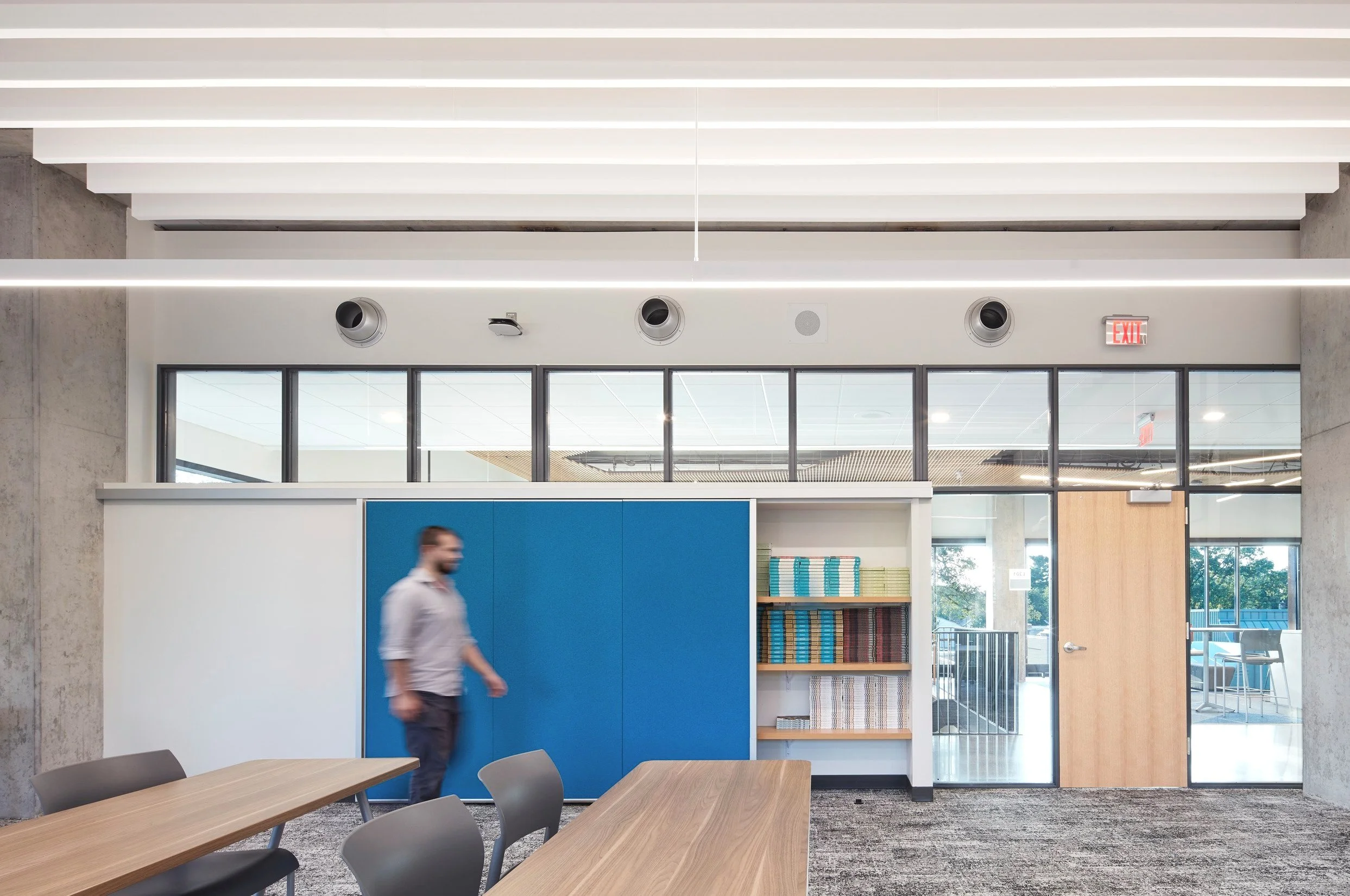
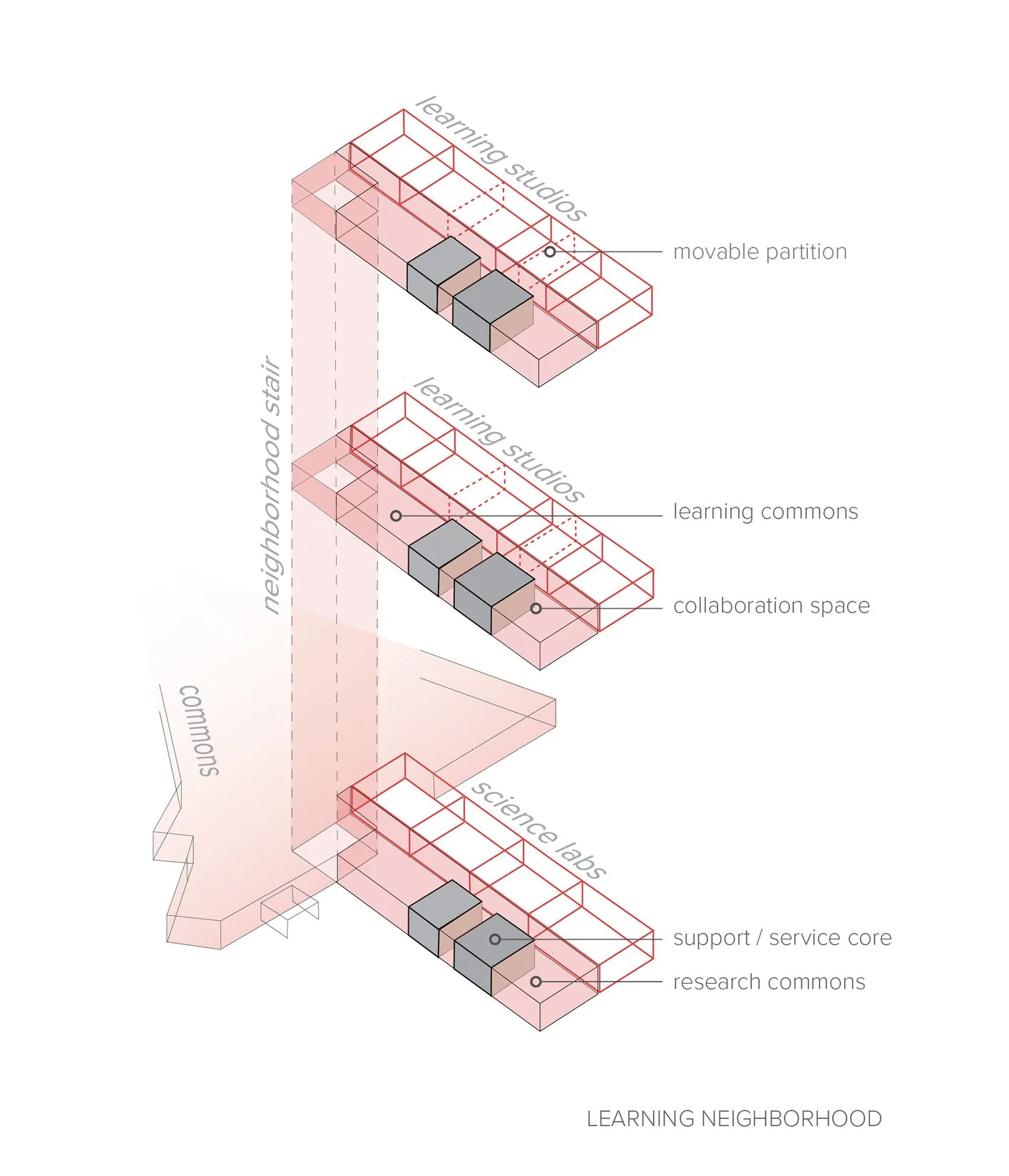
Recognizing that education continues to evolve, the campus provides a diverse range of flexible learning environments that support collaboration, independent study, project-based learning, and future educational models.
Abundant daylight, clear organization, and strong visual connections foster healthy, engaging environments that encourage curiosity and creativity while providing students with a sense of comfort, belonging, and inspiration.
Bird-safe glazing and thoughtful environmental design further demonstrate the Academy's commitment to stewardship of both its campus and the surrounding Mississippi River ecosystem.
Resilience Through Design
The rebuilt Upper School stands as a testament to resilience—not only in its construction, but in its purpose. What emerged from tragedy is a campus that is stronger, more connected, and more deeply rooted in its place than ever before.
Rather than replacing what was lost, the project reimagines how architecture can strengthen community, celebrate history, and support the next generation of learners. The result is a campus that reflects Clow Berg's belief that thoughtful design can transform adversity into opportunity and create places that inspire hope, foster belonging, and endure for generations.
Planning Principles
Healing Through Design – Create environments that restore community, celebrate resilience, and inspire hope.
Learning in Nature – Connect students to daylight, landscape, and the natural environment as essential components of education.
Honor Place and Heritage – Respect history while creating contemporary environments that reflect enduring institutional values.
Community at the Center – Design welcoming gathering spaces that strengthen relationships, collaboration, and school culture.
Flexible Learning – Provide adaptable environments that support evolving educational practices and lifelong learning.
Stewardship – Protect and celebrate the unique natural setting through sustainable design, bird-safe glazing, and thoughtful environmental integration.
Mission-Driven Architecture – Create spaces that nurture intellectual growth, spiritual reflection, personal wellbeing, and a lasting sense of belonging.
PROJECT INFORMATION
LOCATION
MINNEAPOLIS MN
SIZE
168,000 SQ FT
STATUS
COMPLETED FALL 2019
PROJECT SCOPE
NEW CONSTRUCTION/ ADDITION
WORK PERFORMED WHILE AT CUNINGHAM
AWARDS
AIA Minnesota - Honor Award
American Society of Landscape Architecture MN Chapter - Merit Award
Design-Build Institute of America - Upper Midwest Region - Project of the Year
Association for Learning Environments - LEsolutions Project of Distinction
Finance & Commerce - Top Project
Architecture Minnesota cover Jan/Feb 2020
Architecture Minnesota article Jul/Aug 2019
Azure Magazine